FDM and FFF – hidden difference in the market
Many in the industry incorrectly use the term FDM 3D printer, when in fact they are referring to machines based on FFF technology. This can easily cause confusion for companies looking for a reliable, professional industrial 3D printing solution. In this post, we will clarify the terms and explain why this distinction is important.
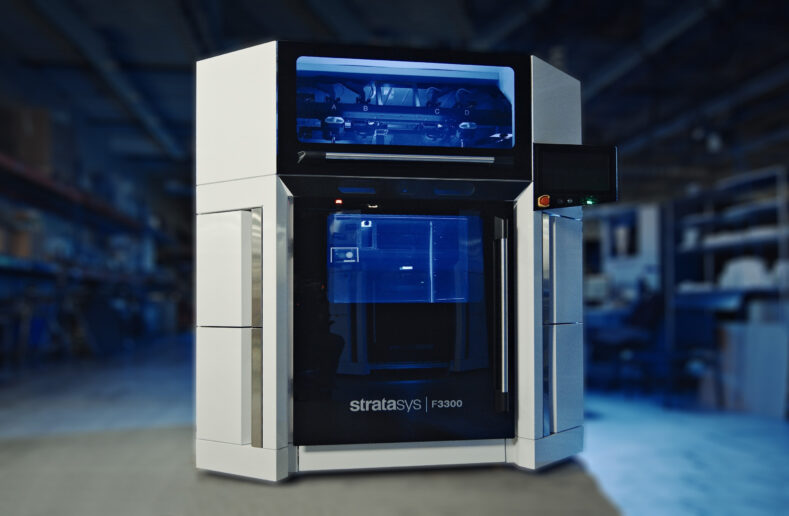
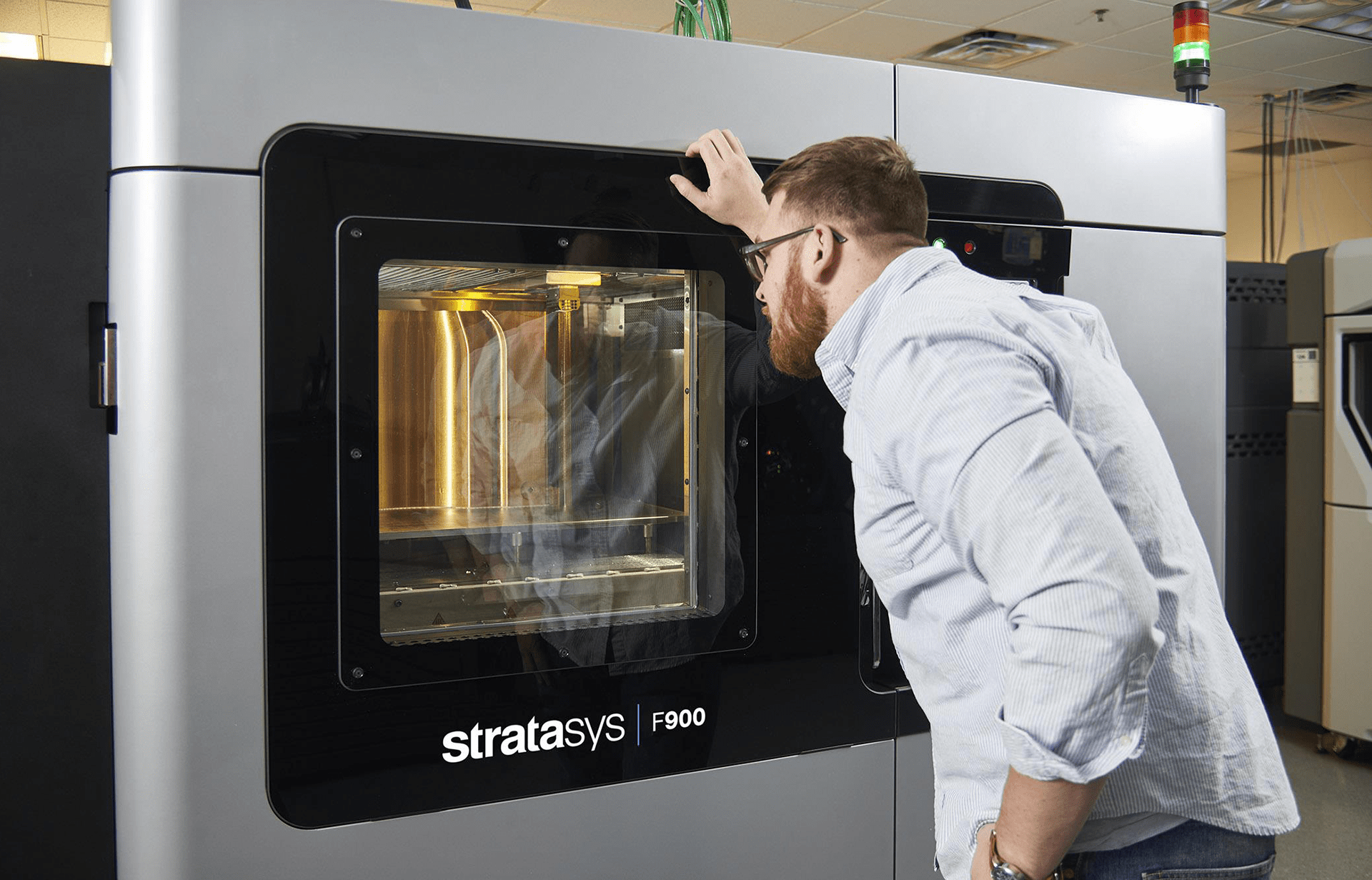
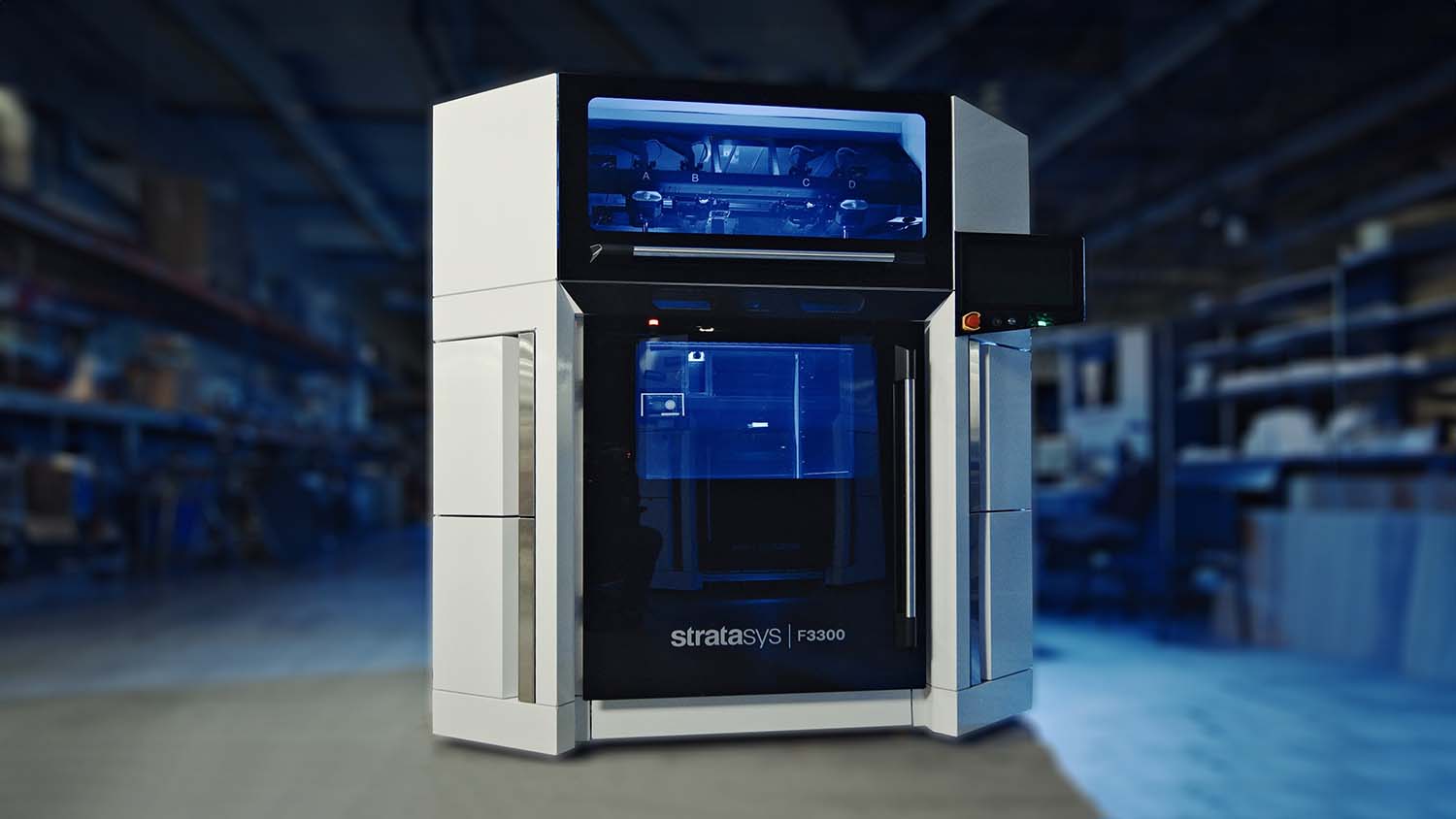
FDM – Stratasys’ patented industry standard
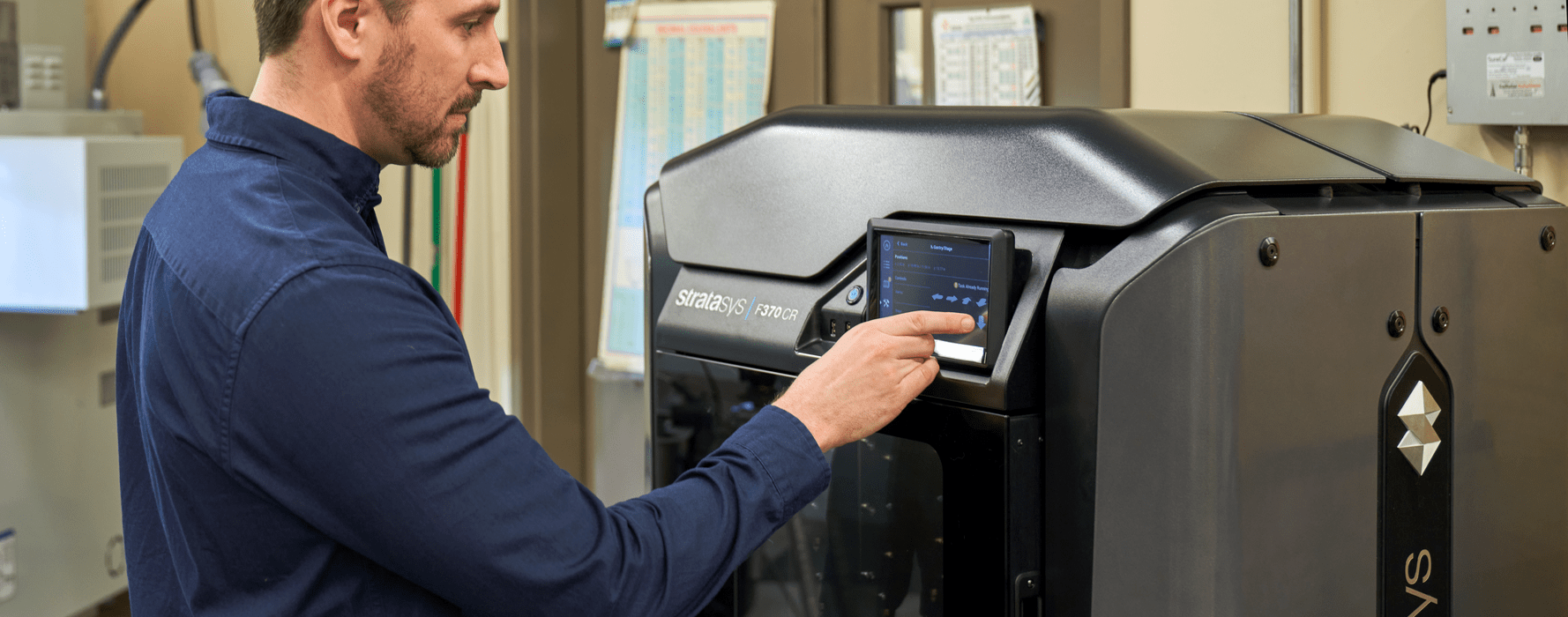
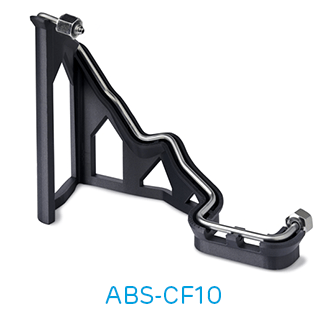
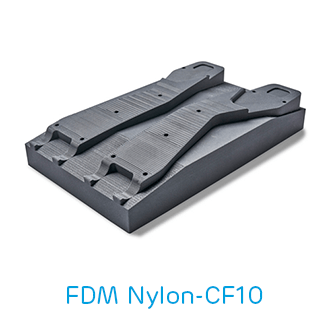
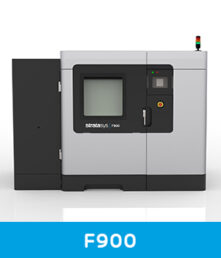
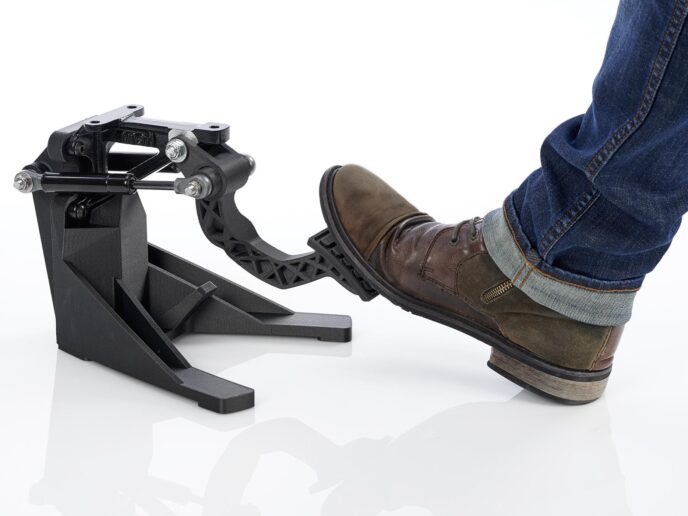
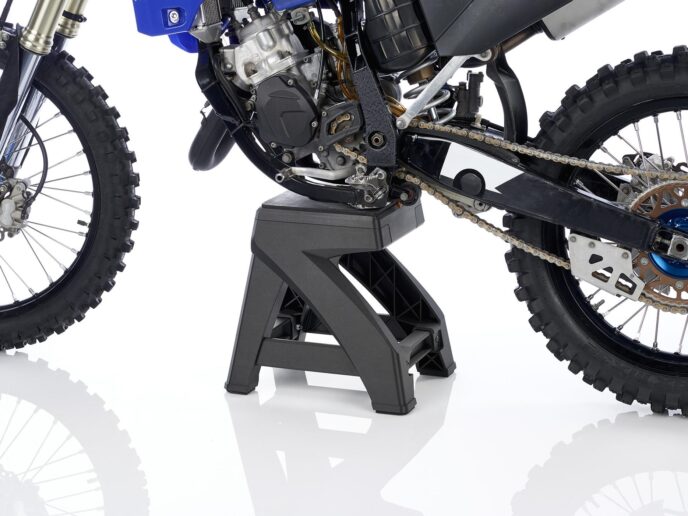
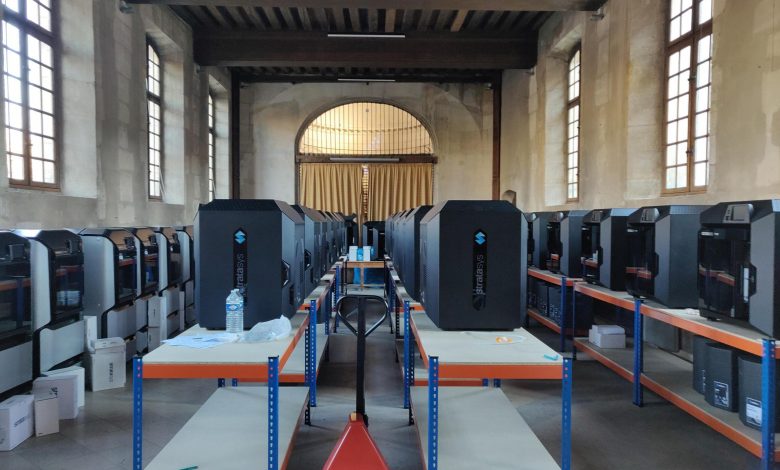
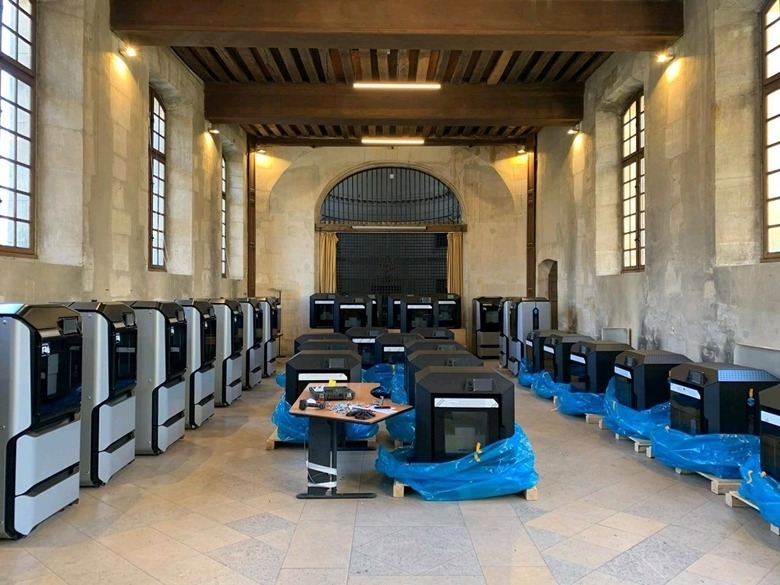
FDM (Fused Deposition Modeling) is a proprietary 3D printing technology developed by Stratasys in the late 1980s. Today, FDM technology is used worldwide to produce functional prototypes, tools, templates, fixtures, and finished products.
Advantages of FDM printers:
- High repeatability – same quality every time.
- Industrial materials – thermoplastics with documented properties for demanding environments.
- Reliability – you can count on it on a daily basis, even in a professional environment.
FFF – open concept for simpler machines
FFF (Fused Filament Fabrication) is essentially the same process as FDM – molten plastic is extruded layer by layer – but the concept was introduced by the RepRap community as an open alternative in the early 2000s.
FFF is mainly used in hobby and simpler desktop machines, where the documentation, material safety testing, and certifications required by the industry are not required.
So it is very important to emphasize that an FFF 3D printer is not an FDM 3D printer, even though the technology is based on the same basic principle.
These machines do not have the same documentation and industry certification requirements as their counterparts boasting FDM technology.
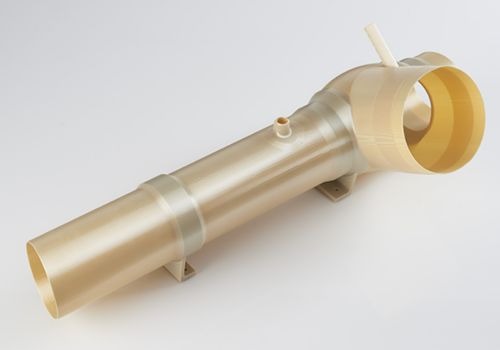
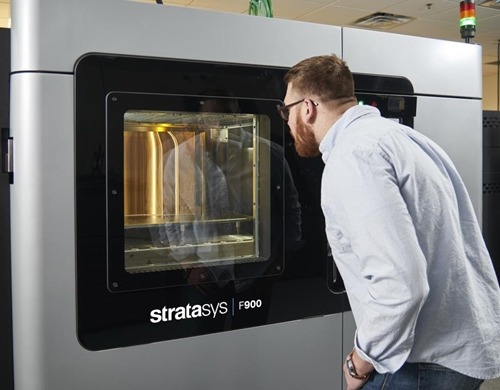
Be careful when looking at 3D printers available on the market
Many market players market simpler FFF printers the FDM designation, which is misleading.
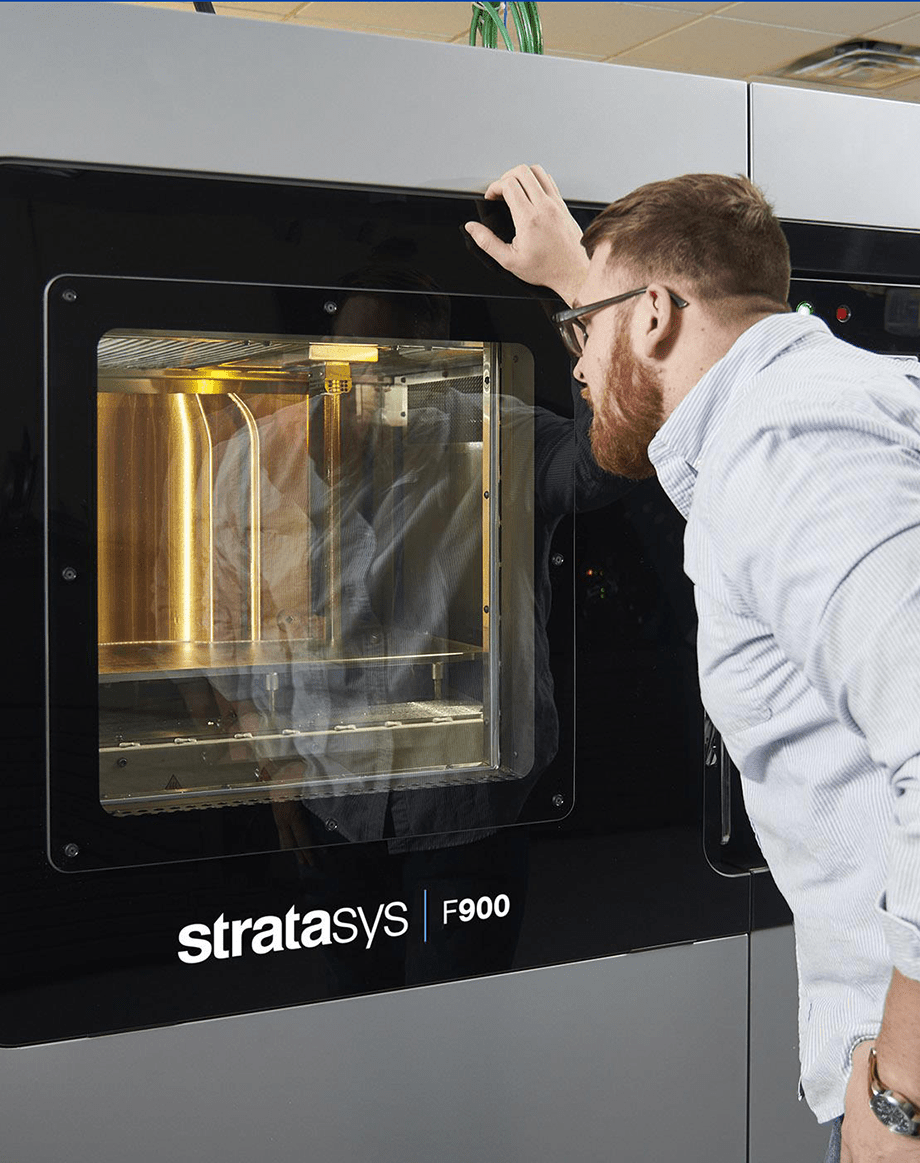
If the given model is not a Stratasys 3D printer, it is definitely not an FDM 3D printer.
This is worth checking:
- If the product description says FDM but the brand isn't Stratasys, then it's probably an FFF machine.
- Always ask what materials are used and whether they are suitable for industrial use.
- Check if the manufacturer can provide industry-grade documentation, traceability, and support.
A little attention here can make a significant difference in quality, reliability and long-term cost-effectiveness.
Why is this key for you?
The difference between an industrial Stratasys FDM printer and a simple FFF machine is key in terms of:
Reliability: stable, predictable production processes.
Controlled properties of materials: use of industrial-grade, certified materials.
Quality: results that meet industry standards and high expectations.
Stratasys FDM technology is like a long-term, reliable, well-equipped tool – designed, precise and predictable. FFF machines are more for hobby and simpler applications: fun and creative, but do not provide consistent industrial quality and documented, verified results.
Summary: both get you from A to B, but which technology you choose is critical for industrial needs, responsibility, and predictability.
For those who want to deal with additive manufacturing professionally, it is of utmost importance to make a decision according to their needs, and for this it is essential to know what really lies behind the name.
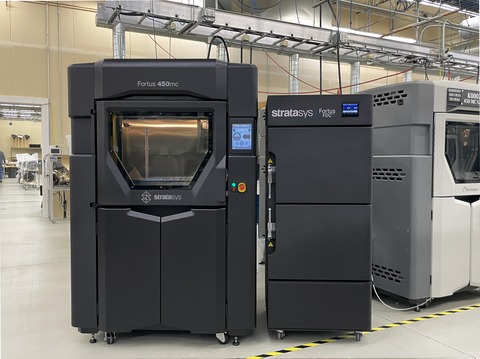
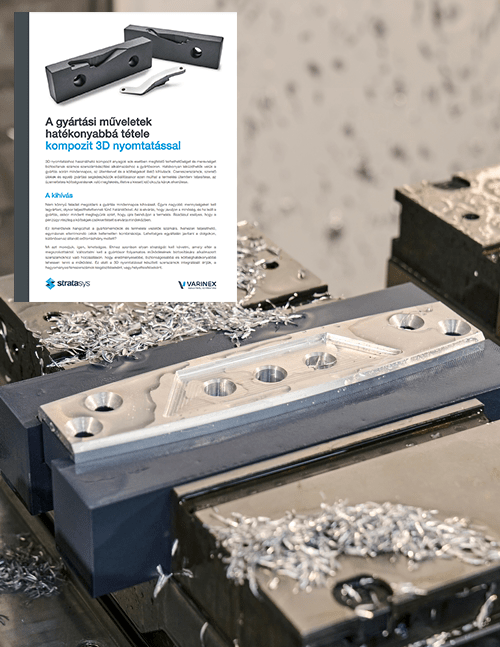
8 pages of knowledge and inspiration – download now!
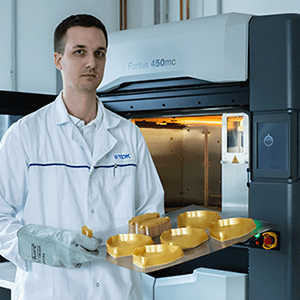
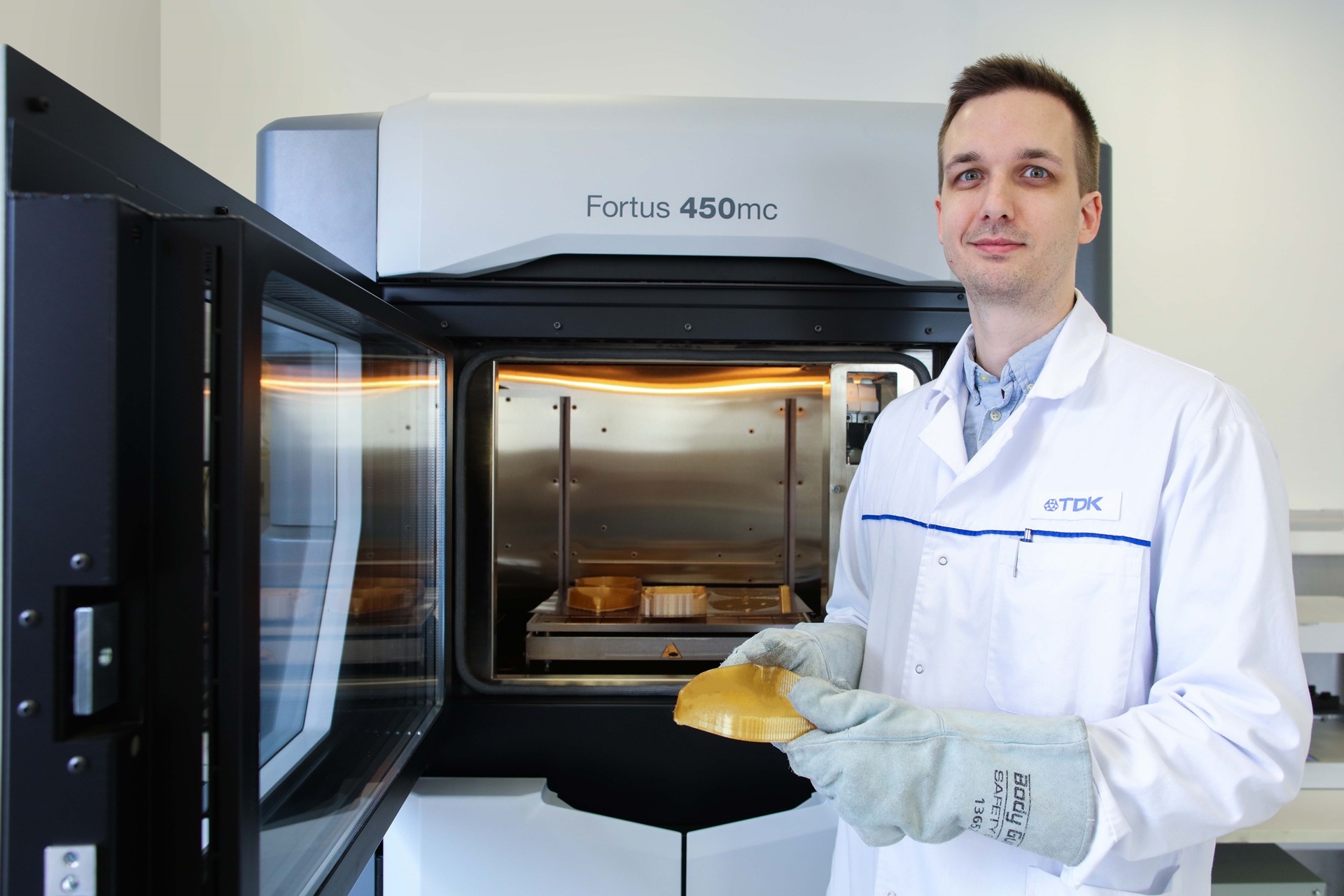
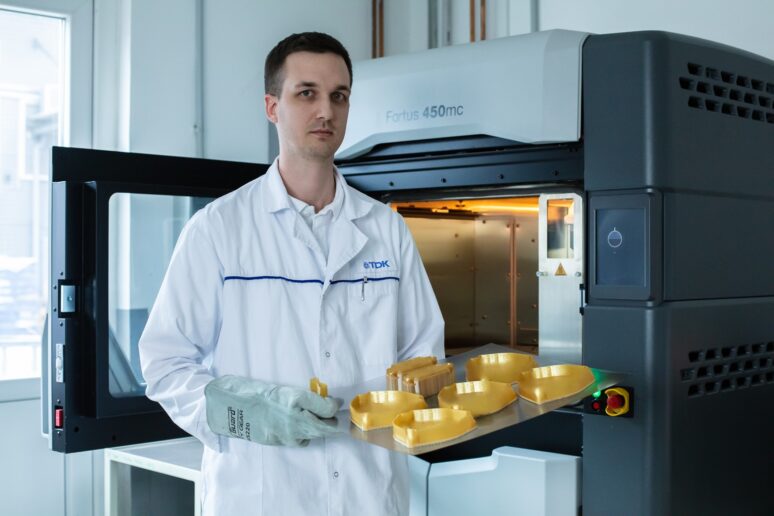
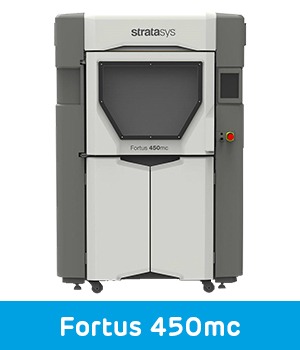
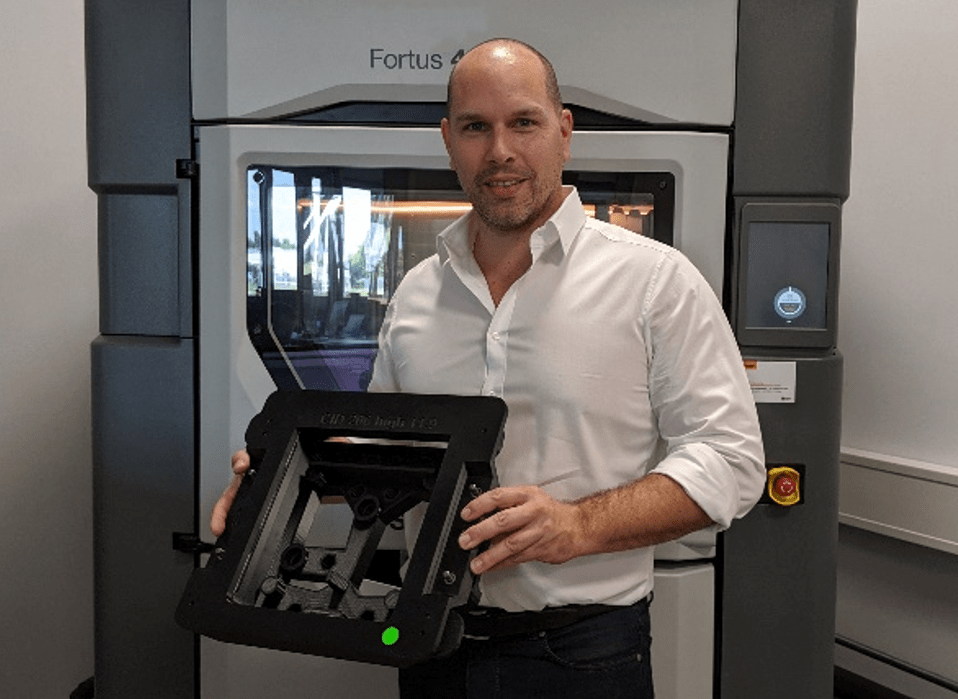
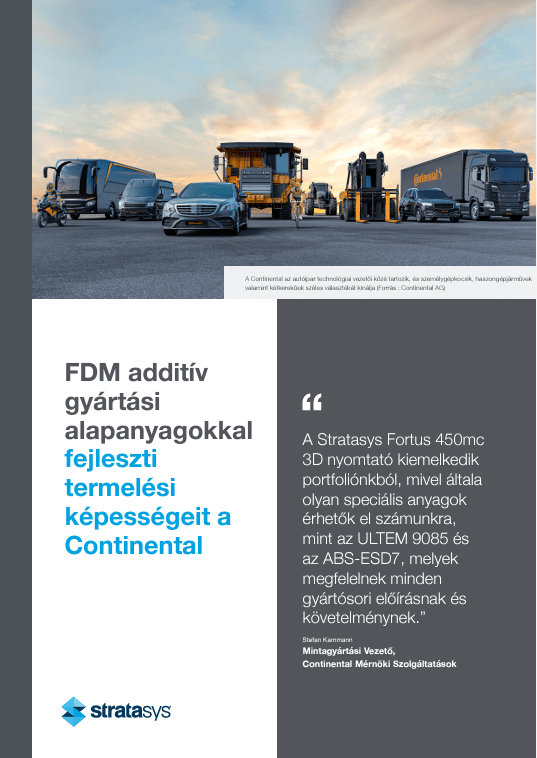
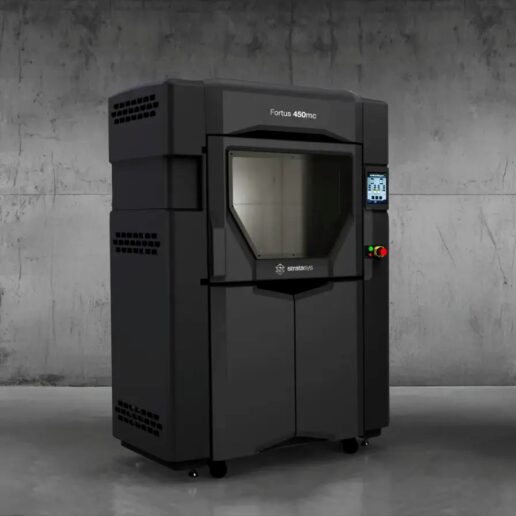
We've gathered together why manufacturers around the world choose the Stratasys Fortus® 450mc FDM system.
Technological developments, real-world examples, and the latest material innovations all in one place.