3D printing in NASCAR racing

3D Printing in NASCAR

Motorsport, when viewed in its entirety, is driven by a single goal: to be as fast and reliable as possible, by any means possible. With the ever-increasing complexity of shapes, infinitely lighter components, and the ever-increasing pace of development caused by expanding race calendars, existing manufacturing technologies have imposed a kind of barrier to the exterior and interior construction of cars, which have been revolutionized by 3D printers. But how does this work in a sport like NASCAR? 

Why 3D printing?

3D printing serves many purposes in motorsport. From the initial stages of prototype and vehicle design to the production of final parts, it can even bring long-forgotten cars back to the racetrack after decades! 

With the development of 3D printing, mechanical simulations and computer-aided design programs, increasingly complex parts can be created that cannot be realized with production technologies already known in Hungary. This allows for a drastic weight reduction in the total mass of cars. In a fierce motor sport like NASCAR, where every thousandth of a second counts, this is essential! 

But what is 3D printing?

Let's start with a quick introduction. What is 3D printing? 
The essence of 3D printing is that we set a selected 3D model according to our wishes in a software that breaks the shape into layers that we define. A 3D printer places these layers on top of each other, creating the part. 

We have a lot of materials at our disposal, from concrete to metals and even chocolate! The most common printers are plastic printers. And the sky is the limit there. And NASCAR knows this too. 

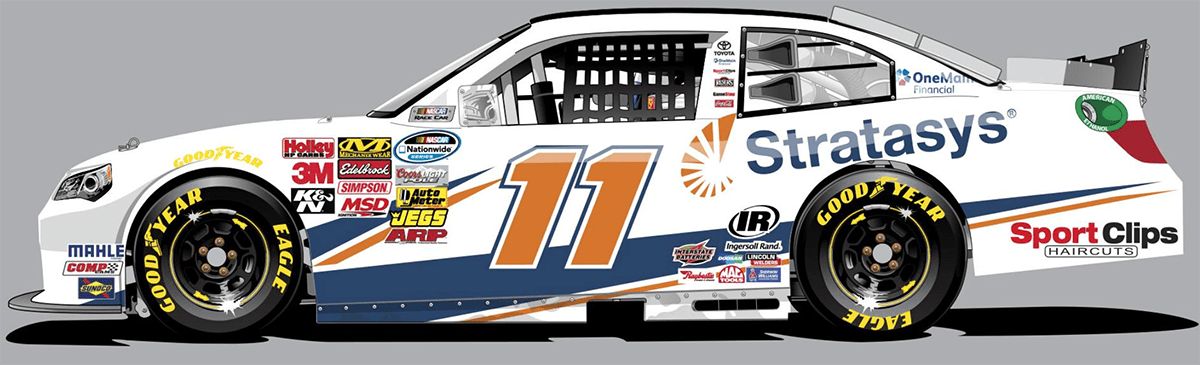
Race car with 3D printed parts at the 2014 NASCAR
Elliott Sadler's car in 2014, before the US Cellular 250 (Iowa) (source: 3dprint.com)

From the first printed parts to Next Gen

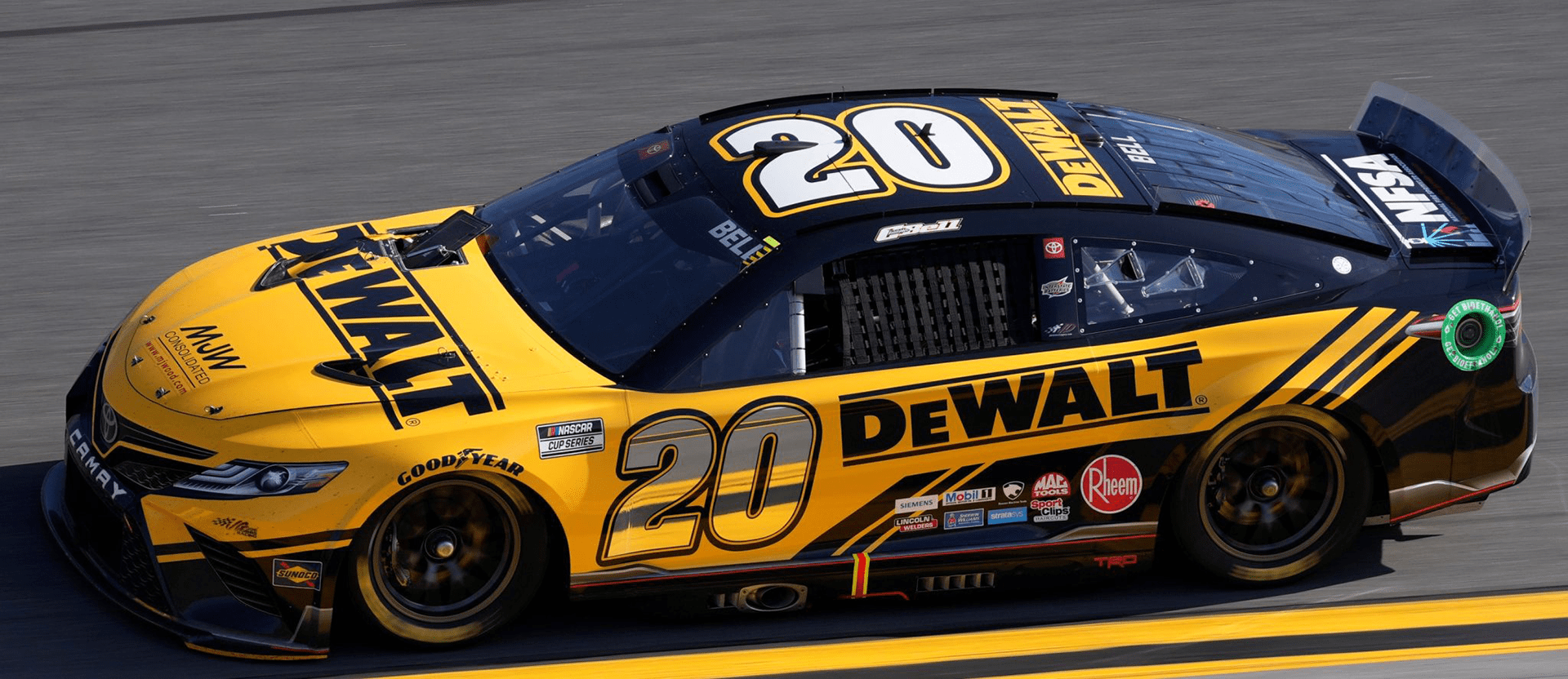
The first true pioneer in the sport was Joe Gibbs Racing. JGR partnered with the world's largest manufacturer, Stratasys, back in 2004. At that time, they used the technology to produce even simpler parts and tools, but they also made analog clock cluster mounts and electronic system boxes.  

The partnership is still active today, with Stratasys being a key technical partner for JGR and Penske. Penske has been using Stratasys machines to manufacture their 3D printed car components since 2017. One of the best examples of this is their 3D printed rearview mirror bracket, which was made from carbon fiber reinforced material. 

Recognizing the success of the relationshiptoday there is no that does not have at least one 3D printer in their workshop Even the Le avine FamilyRacingteam - hadathat. MakerBot printer allowed reinforced parts.

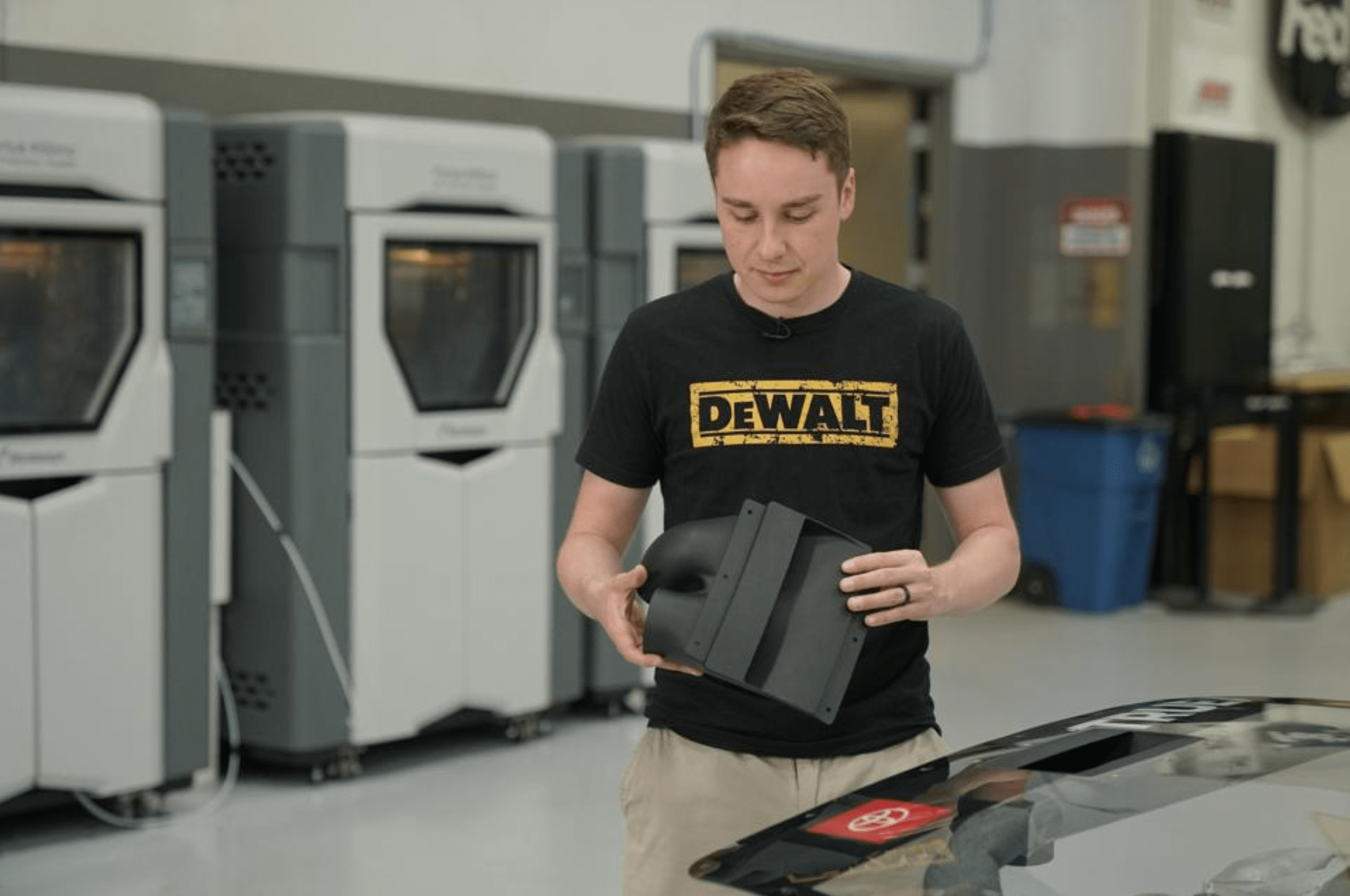
Christopher Bell and a 3D printed air intake (source: Stratasys)

With the design and arrival of Next Gen cars, NASCAR realized that the components of the new generation of cars could also be 3D printed. Seeing the clear successes of JGR and Penske, NASCAR also voted for Stratasys. The first prototypes, and their various versions, were all made with or with the help of 3D printing, and in fact, the first final Next GEN cars contained and still contain nearly 30 different 3D printed components when they were released! 

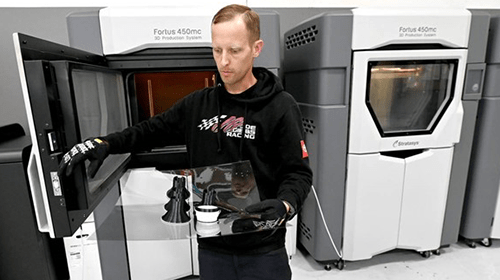
Joe Gibbs Racing's Stratasys 3D printers

For example, the air intake in the center of the front windshield, the air intakes behind the driver, and the air intakes on the bottom of the cars were 3D printed. These components are still manufactured by NASCAR at its own headquarters today! 

Manufacturers engineersChevrolet also used a lot of 3D-printed prototype parts to shape cars to their specifications.ownoptimized the the 2020 Camaro aerodynamic performance of and more than 500 3D -printed prototype partsto develop the body. The car also featured a 3D-printed transmission cooling duct, which by the end of 2020 in 27 races18,500 miles had logged.  

3D printing in NASCAR racing
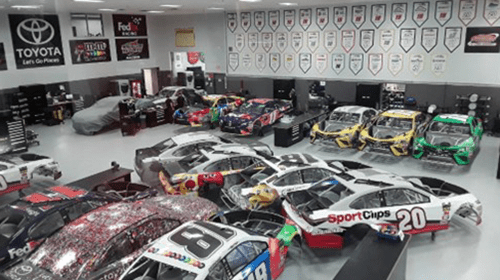
Joe Gibbs Racing and the hidden 3D printers. (source: Gareth Slege, 2022)

What are these parts good for?

The idea for the opening in the front windshield was born in September 2021.  

“During testing at Daytona, drivers reported that excessive heat was a problem inside the car. During testing, the NASCAR aero team came up with the idea of ​​adding vents and channels to the lower intakes and windshield. This airflow reduced temperatures by approximately 35 to 40 degrees Fahrenheit (1.6 to 4.4 degrees Celsius),” said Brandon Thomas, NASCAR Next Gen car designer and executive director. 

For NASCAR, the windshield air ducts, which help direct air into the cockpit, H350 printer using SAF powder bed technology . NASCAR’s Concord R&D facility Fortus 450mc 3D printers to design and manufacture the NACA underhood ducts needed to cool the engines. 

But why not put the production of 3D printed parts in the hands of the teams?
Simple, to eliminate cheating and protect the drivers.
 

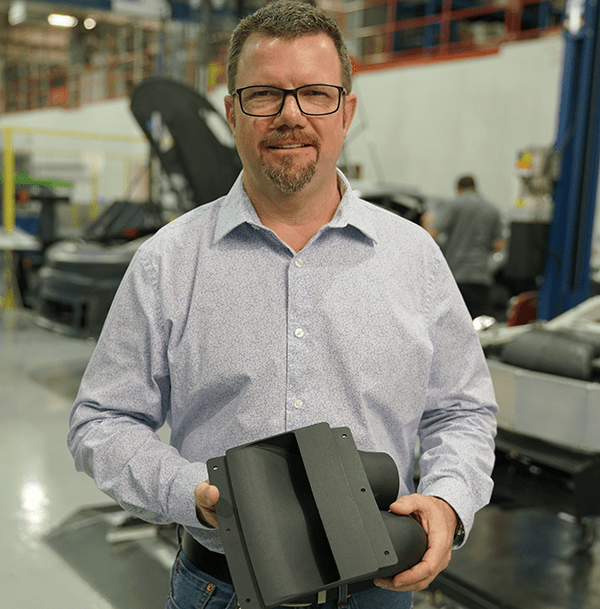
Brandon Thomas and the windshield air intake (source: Stratasys)
3D printing in NASCAR racing
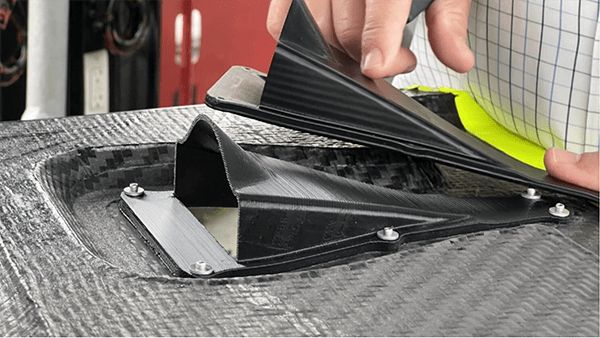
Briscoe's part (below) and NASCAR-approved uniform part (above) (source: NBC Sports)
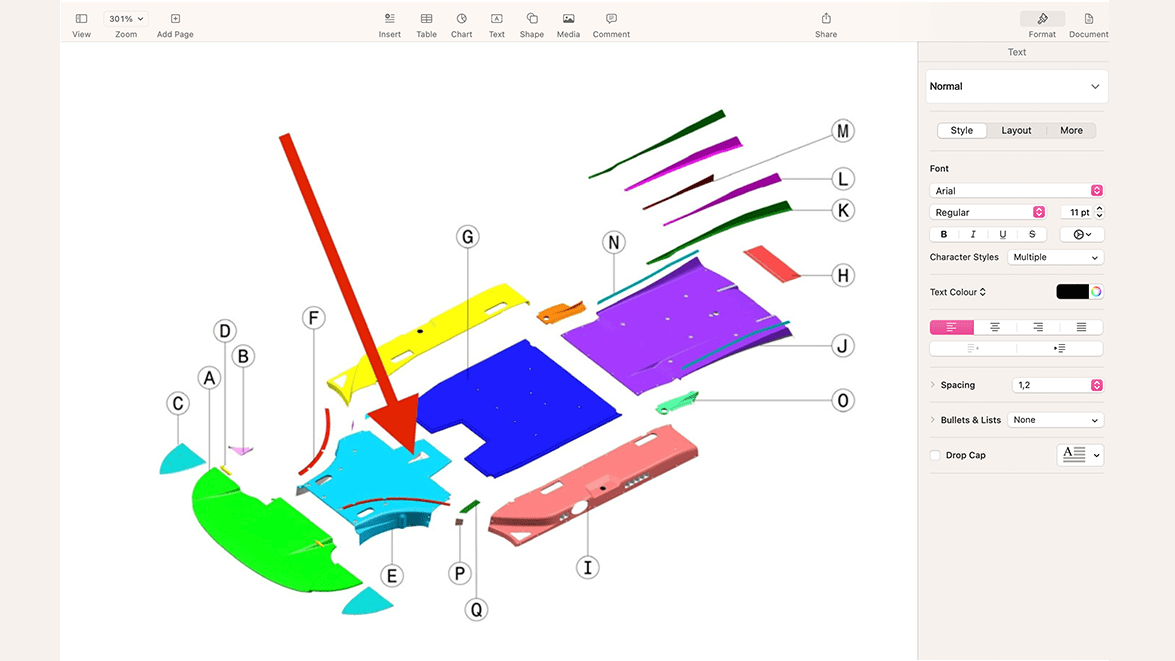
Location of the air intake on the car chassis (source: NASCAR)
The location of the aforementioned air intake on the car's chassis (source: NASCAR)

Where are we going?

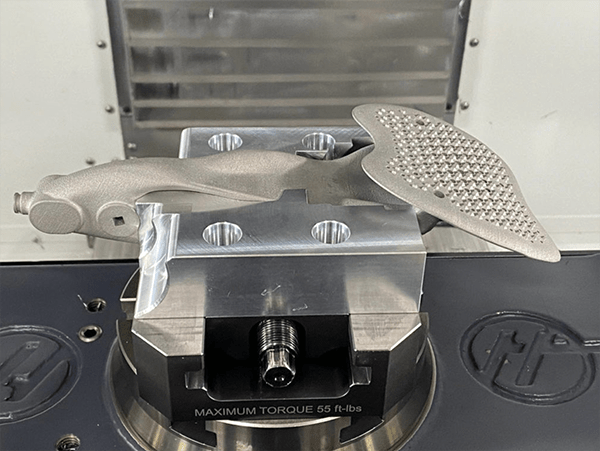
It’s hard to say what the next big thing will be that will change NASCAR and the way cars are built. What’s certain is that teams and owners are increasingly investing in technology. Perhaps the best proof of this is Brad Keselowski himself, who spent more than $10 million to create Keselowski Advanced Manufacturing. Keselowski’s goal was to create a company that would combine cutting-edge technologies to produce the highest quality metal parts. Inside his factory, a CNC machining center and a 3D printer fit perfectly side by side, because the two technologies complement each other. 

Metal-printed parts have been used in previous generations as well. For example, SHR used radically lighter brake pedals printed from titanium in GEN 6 cars. The brake pedal is 32% lighter but 50% stronger than the original pedal.  

The evolution of parts and cars is therefore clear. Of course, 3D printing is not a panacea, let's not expect printantoentire race car. But we can be sure that more and more 3D printed parts will appear in the racing cars of our beloved sport. 

3D printing in NASCAR racing
The SHR's brake pedal (source: Autodesk)

The article Menjetek korbe! podcastGround Effect and VARINEX Zrt was written in cooperation

Did you know that the most reliable and popular solution for additive manufacturing is Stratasys FDM technology, and within it, carbon fiber reinforced materials? 
Did you know that you can replace your metal parts with lightweight and extra-strong carbon fiber composite 3D printed parts?

Get to know Stratasys' reliable composite 3D printers from the VARINEX team!
We have been helping Hungary's leading industrial companies and their innovations with additive manufacturing for 25 years!