9 things you need to know about carbon fiber 3D printing
Carbon fiber composite materials are pushing the boundaries of performance in 3D printing due to their strength, stiffness, heat resistance, and durability. They offer a significant performance improvement over traditional thermoplastics for demanding 3D printing applications.
Carbon fiber reinforced materials are made by adding chopped or continuous fibers to a base polymer material to increase its toughness and strength. The fibers can be made from a variety of materials, such as carbon, glass, and Kevlar, and can be aligned in a specific direction to provide maximum strength in that orientation. The resulting composite materials are suitable for manufacturing stronger and more durable components.
What makes carbon fiber so attractive for 3D printing?
These materials have many beneficial properties. Below are 9 things you should know about using carbon fiber in 3D printing.
Keep these in mind when your 3D printing applications require a higher level of performance!
- Strength:
Carbon fiber is one of the strongest materials available, and when combined with a base polymer, it can be used to make stronger parts than unreinforced materials. - Light weight:
Carbon fiber FDM materials offer a lighter alternative to metal, making them ideal for manufacturing parts that need to be strong but not heavy. - Durability:
Fiber-reinforced thermoplastics, depending on the specific base polymer, offer high durability and are resistant to high temperatures and harsh environments. - Stiffness: Carbon fibers are very stiff, making them ideal for making parts that need to be rigid and retain their shape without deformation.
- Chemical resistance:
Fiber-reinforced materials also provide resistance to chemicals, depending on the properties of the base polymer. - Flexible design:
Carbon fiber-reinforced FDM materials are capable of creating strong parts with complex geometries and shapes that would be difficult or impossible to make using traditional manufacturing methods. - Cost-effectiveness:
Composite 3D printing can be more cost-effective than small-batch production using traditional manufacturing methods. - Less waste:
Carbon fiber 3D printing can reduce waste by only using the material needed to produce the part. - Efficiency Improvement:
Composite materials can improve efficiency by reducing the time and labor required to create a part compared to traditional technologies or molded alternatives.
Stratasys offers three carbon fiber reinforced composite FDM thermoplastics, learn about them by clicking on the images!
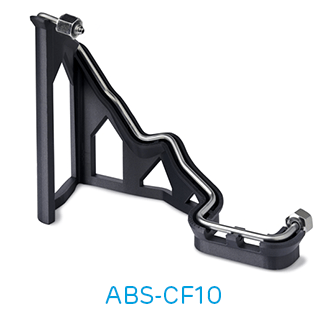
Carbon fiber combined with ABS base polymer
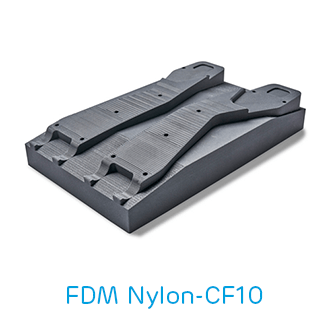
Nylon-based polymer mixed with chopped carbon fibers
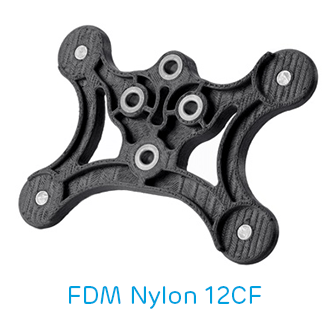
Combination of Nylon 12 base polymer and 30% by weight of chopped carbon fiber
Did you know that the most reliable and popular solution for additive manufacturing is Stratasys FDM technology, and within it, carbon fiber reinforced materials?
Did you know that you can replace your metal parts with lightweight and extra-strong carbon fiber composite 3D printed parts?
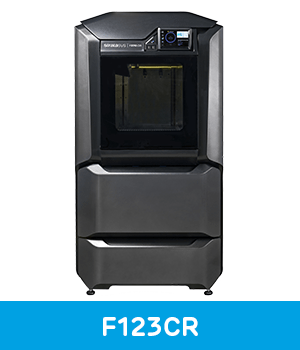
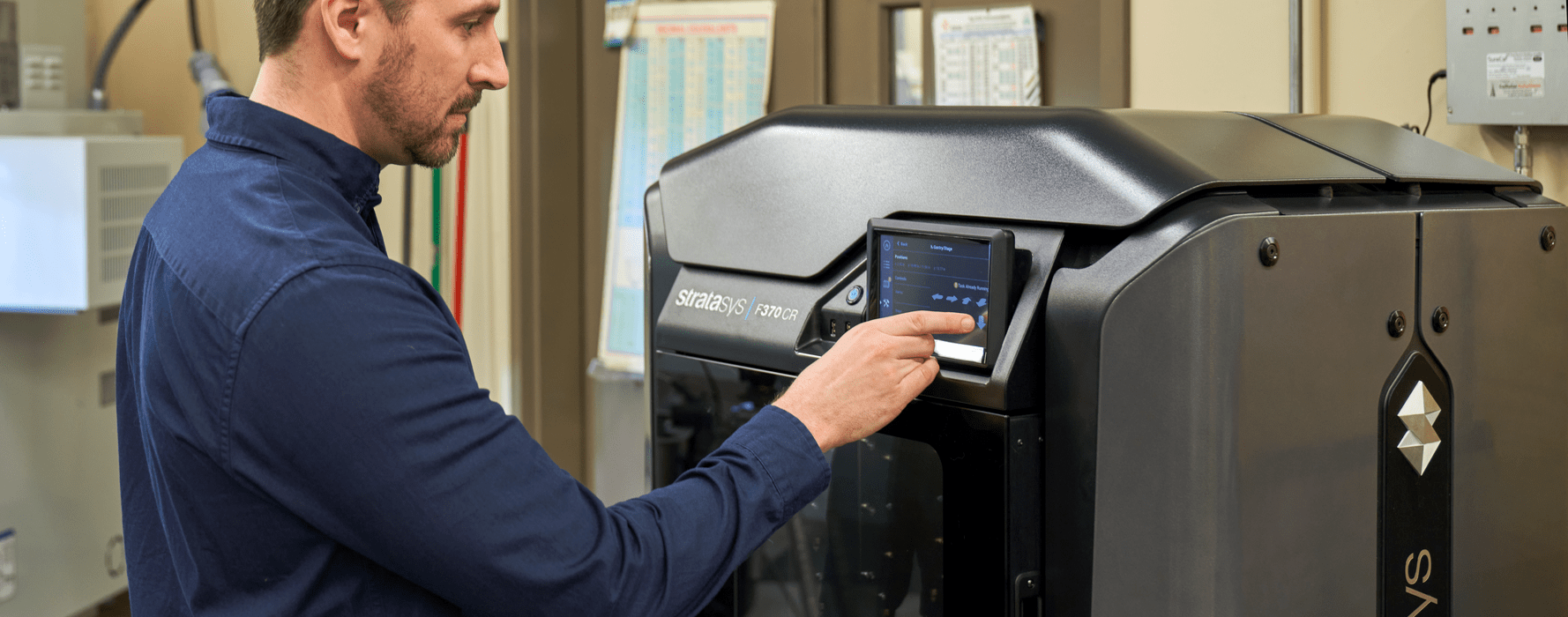
Get to know Stratasys' reliable composite 3D printers from the VARINEX team!
We have been helping Hungary's leading industrial companies and their innovations with additive manufacturing for 25 years!