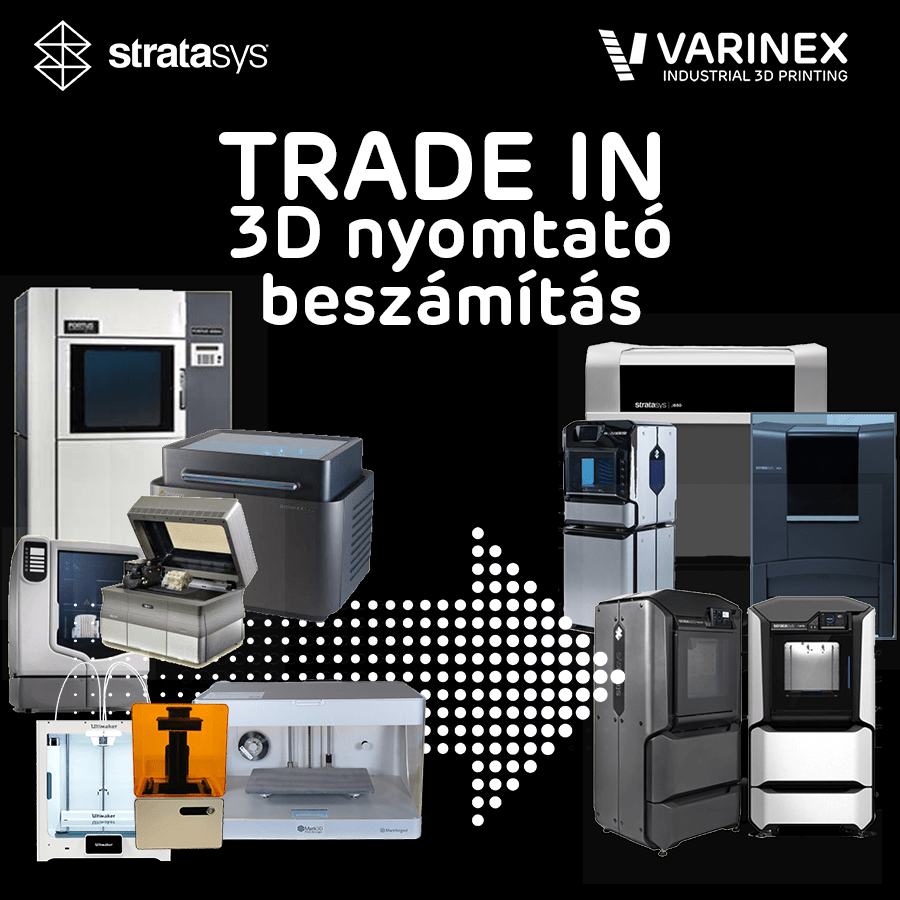
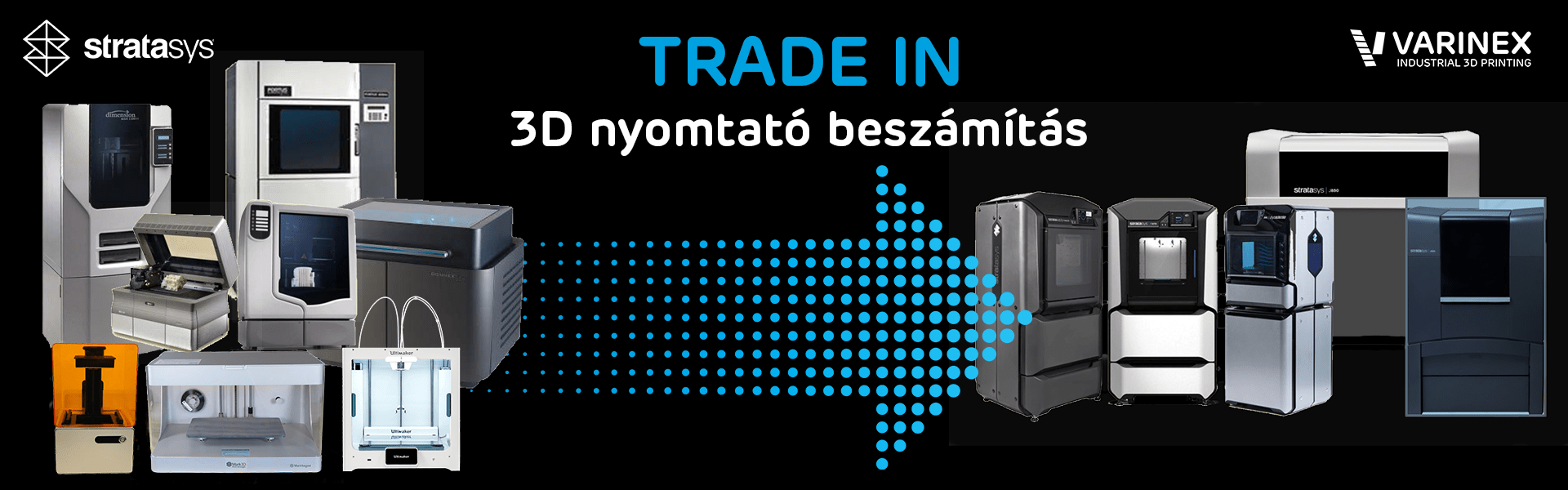
Trade in your current 3D printer for a discount!

Trade in: 3D printer credit

3D printer credit when purchasing new Stratasys equipment

Renew your 3D printer for great discounts!

Find out how much your EXISTING 3D printer is worth
when you buy a NEW STRATASYS MACHINE!

In the rapidly changing world of 3D technologies, our 3D scanners and 3D printers are faster and more efficient than ever, and the ever-expanding range of 3D printer materials supports the introduction of new applications. To stay ahead of the competition, it is essential to keep up with the latest technological developments.

To help achieve this goal, our current trade-in offer is a great starting point for any business looking to upgrade their old Stratasys 3D printer or replace their 3D printer from another brand with a new Stratasys machine.

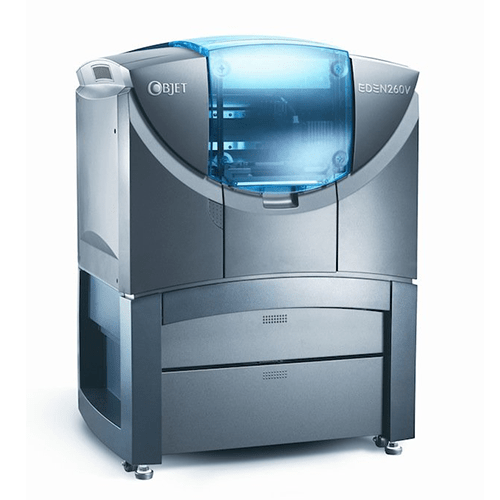
When purchasing a new Stratasys 3D printer, VARINEX will now credit your existing 3D printer! The trade-in value offered depends on both the 3D printer you are trading in and the 3D printer you wish to purchase, based on our unique offer. 

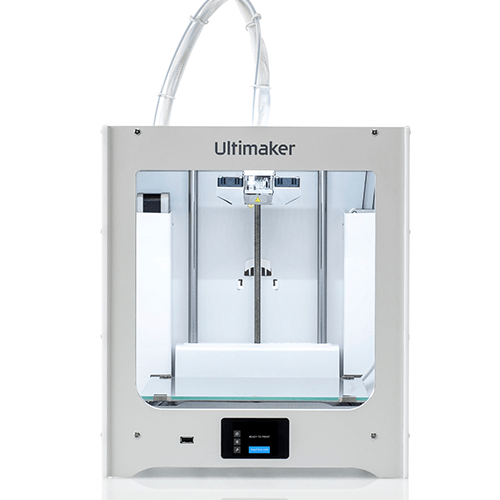
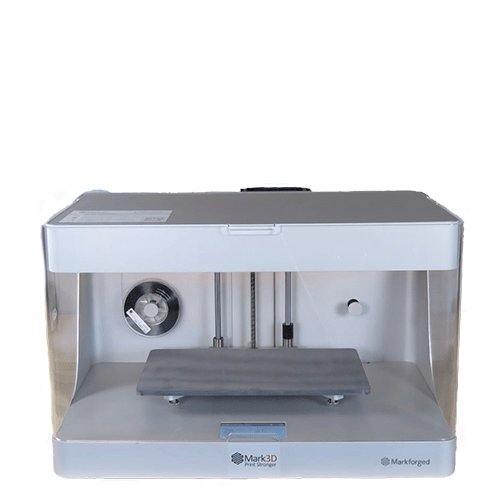
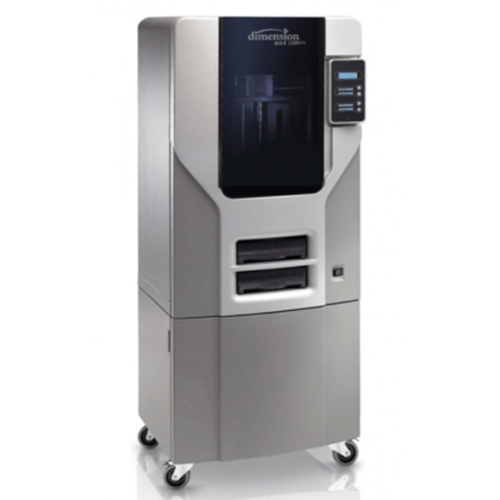
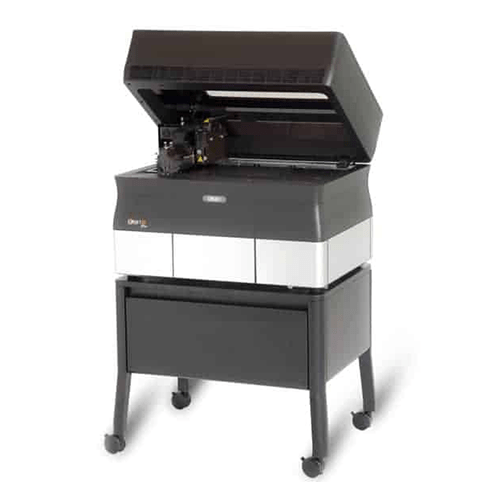
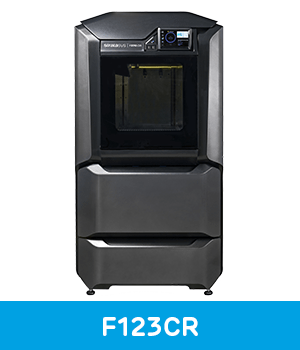
SOME EXAMPLES OF INTERCHANGEABLE EQUIPMENT

Contact our expert colleagues to discuss how much your existing 3D printer can be included in the promotion!

FIND OUT THE CURRENT VALUE OF YOUR 3D PRINTER!

Enter your current 3D printer type to calculate your discount!

3 simple steps to the exchange process

Enter your details and the details of the 3D printer you want to replace (type, serial number, year of manufacture) on our form!

Based on the information provided, we will send you a valuation, from which you can find out how much discount you can expect.

Use the discount to get your new Stratasys 3D printer!

Which Stratasys 3D printers are eligible for the discount?

FDM technology

PolyJet technology

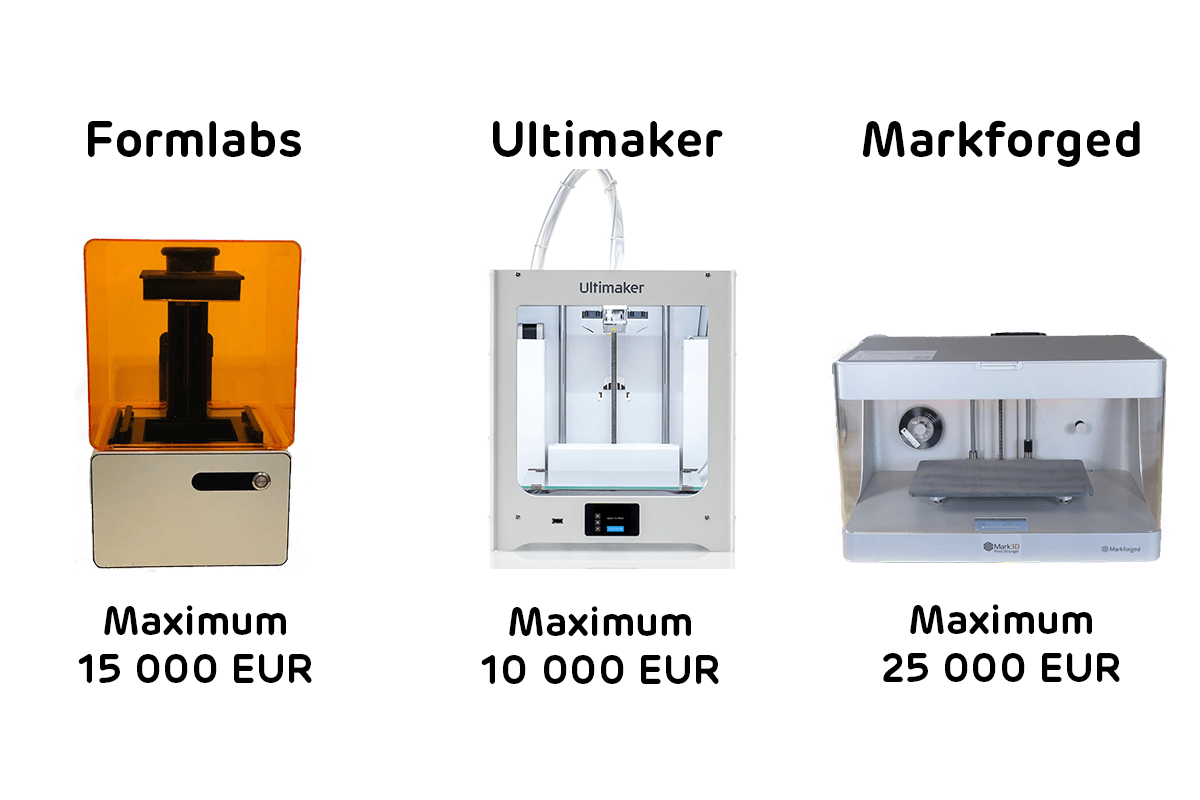
INTERCHANGEABLE BRANDS

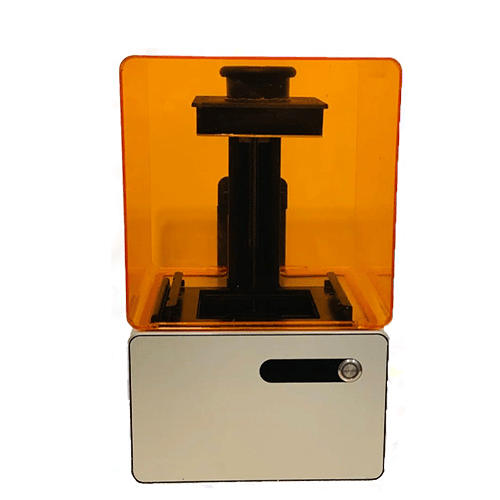
Formlabs

Trade-in 3D printer exchange offer

Maximum EUR 15,000

UltiMaker

Replace your Ultimaker 3D printer!

Maximum EUR 10,000

Markforged

Trade-in 3D printer exchange offer

Maximum EUR 25,000

Trade in your 3D printer for a discount!

Buy your new 3D printer at a discount by replacing your existing technology!

Industry-leading cutting-edge technology

Solve your biggest challenges with Stratasys' unmatched technology!

Premium service support

Our premium service ensures that your 3D printer operates reliably 24 hours a day.

Do you have a question?

DO YOU HAVE A QUESTION?

We understand that implementing additive manufacturing can raise many questions for your business.

We are happy to help you find your way, andour team of experts is ready to assist you!

Zoltán Fehér
Technical Director
+36 30 241 7813
feher@varinex.hu

Bence Misli
sales consultant
+36 30 321 2225
misli@varinex.hu

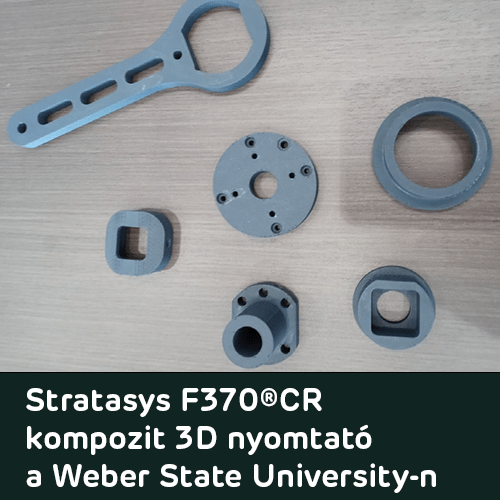
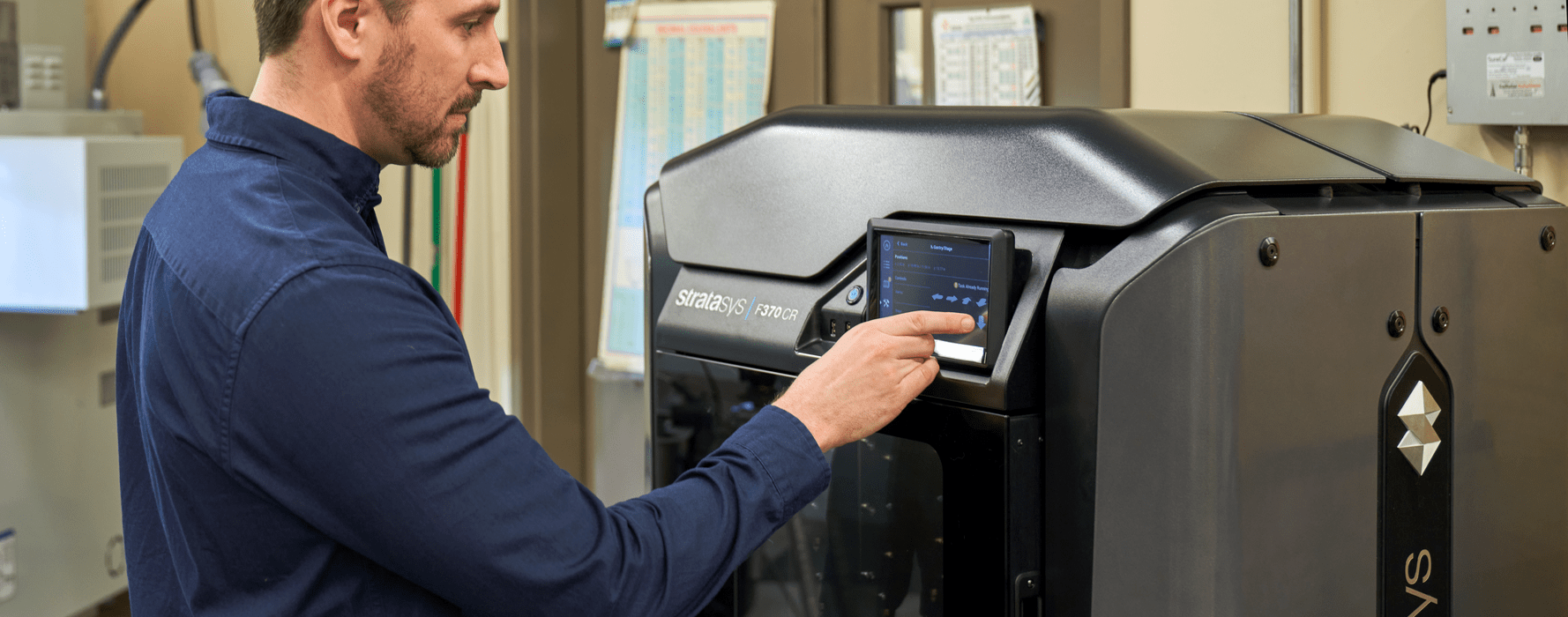
Stratasys F370CR composite 3D printer at Weber State University

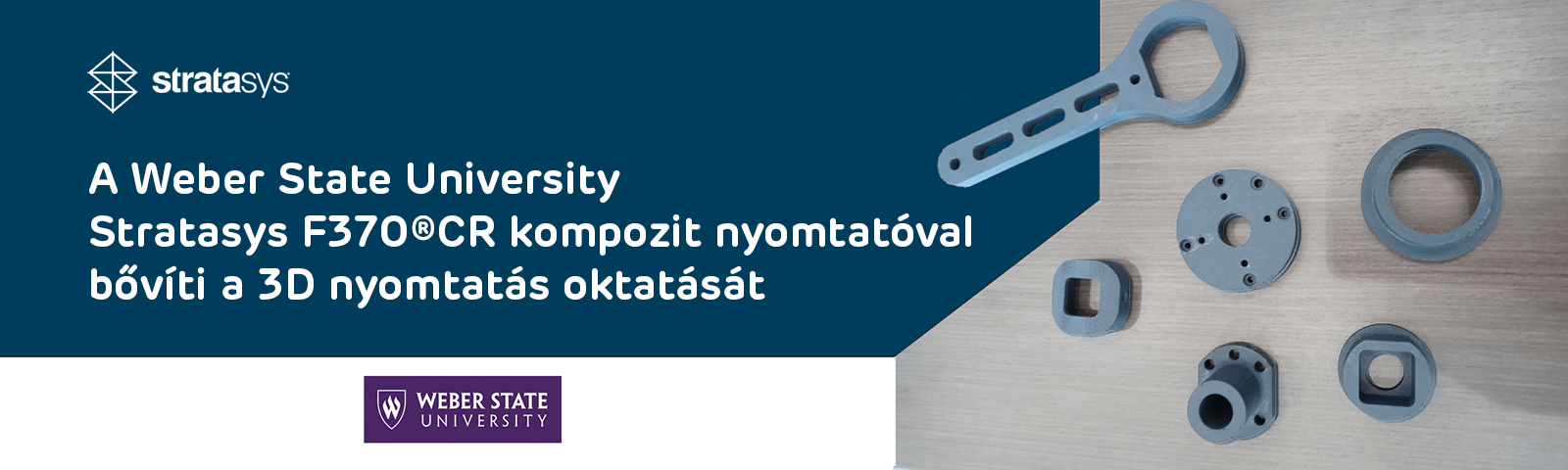
Weber State University Expands Education with Stratasys F370CR Composite 3D Printer

Weber State University Expands 3D Printing Education with Stratasys F370®CR Composite Printer

Weber State University Expands 3D Printing Education with Stratasys F370CR Composite Printer

Weber State University's Advanced Research and Solutions Center serves as an innovation and collaboration hub for local industry, primarily in the aerospace, defense, and advanced materials industries. The institution offers students educational and hands-on opportunities, as well as access to a variety of research and development resources, including additive manufacturing.

The challenge

To give students and local industry the best chance of success, the university must provide access to current and emerging technologies, including additive manufacturing. However, Weber State University had older 3D printersthat were slow and expensive, and offered a limited selection of materials. This situation limited the university’s Advanced Research and Solutions Center from meeting the needs of students and industry.

The solution: composite 3D printing

To strengthen its 3D printing capabilities, the university has added a Stratasys F370®CR composite 3D printer to its line of manufacturing equipment.

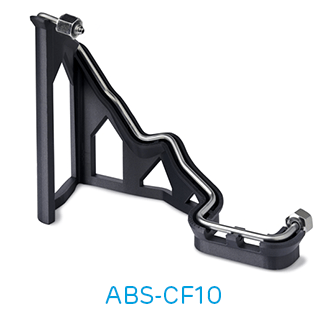
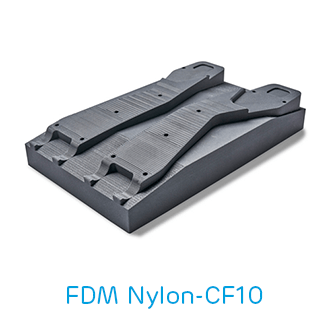
The F370CR is capable of using two composite materials and a variety of other engineering thermoplastics. Composite 3D printing materials include FDM® Nylon-CF10 and ABS-CF10, which contain 10% shredded carbon fiber for increased strength and stiffness.

Composite 3D Printing at Weber State University

With the Stratasys F370CR composite 3D printer, Weber State University can take advantage of state-of-the-art technology with a wider range of materials, including advanced composite polymers. The F370CR’s ease of use and consistent print performance 3D printing solutions provide users with

The composite 3D printer will help the university provide innovative and cutting-edge tools to its current and future students and clients.

Nylon CF10 Dimensional Inspection Tool

Did you know that the most reliable and popular solution for additive manufacturing is Stratasys FDM technology, and within it, carbon fiber reinforced materials? 
Did you know that you can replace your metal parts with lightweight and extra-strong carbon fiber composite 3D printed parts?

Get to know Stratasys' reliable composite 3D printers from the VARINEX team!
We have been helping Hungary's leading industrial companies and their innovations with additive manufacturing for 25 years!

Subscribe to the VARINEX newsletter now!

Are you interested in news about 3D printing and 3D scanning?

Be the first to know about the latest professional news, industry trends, current events, and discount offers related to 3D technologies!

Subscribe to our newsletter now! 

9 important things about composite 3D printing

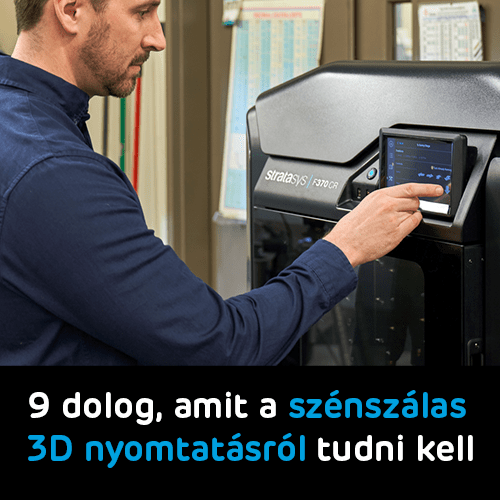
9 things you need to know about carbon fiber 3D printing

Stratasys composite 3D printing

9 things you need to know about carbon fiber 3D printing

Carbon fiber composite materials are pushing the boundaries of performance in 3D printing due to their strength, stiffness, heat resistance, and durability. They offer a significant performance improvement over traditional thermoplastics for demanding 3D printing applications.

Carbon fiber reinforced materials are made by adding chopped or continuous fibers to a base polymer material to increase its toughness and strength. The fibers can be made from a variety of materials, such as carbon, glass, and Kevlar, and can be aligned in a specific direction to provide maximum strength in that orientation. The resulting composite materials are suitable for manufacturing stronger and more durable components.

What makes carbon fiber so attractive for 3D printing?
These materials have many beneficial properties. Below are 9 things you should know about using carbon fiber in 3D printing.
Keep these in mind when your 3D printing applications require a higher level of performance!

  1. Strength:
    Carbon fiber is one of the strongest materials available, and when combined with a base polymer, it can be used to make stronger parts than unreinforced materials.
  2. Light weight:
    Carbon fiber FDM materials offer a lighter alternative to metal, making them ideal for manufacturing parts that need to be strong but not heavy.
  3. Durability:
    Fiber-reinforced thermoplastics, depending on the specific base polymer, offer high durability and are resistant to high temperatures and harsh environments.
  4. Stiffness: Carbon fibers are very stiff, making them ideal for making parts that need to be rigid and retain their shape without deformation.
  5. Chemical resistance:
    Fiber-reinforced materials also provide resistance to chemicals, depending on the properties of the base polymer.
  6. Flexible design:
    Carbon fiber-reinforced FDM materials are capable of creating strong parts with complex geometries and shapes that would be difficult or impossible to make using traditional manufacturing methods.
  7. Cost-effectiveness:
    Composite 3D printing can be more cost-effective than small-batch production using traditional manufacturing methods.
  8. Less waste:
    Carbon fiber 3D printing can reduce waste by only using the material needed to produce the part.
  9. Efficiency Improvement:
    Composite materials can improve efficiency by reducing the time and labor required to create a part compared to traditional technologies or molded alternatives.

Stratasys offers three carbon fiber reinforced composite FDM thermoplastics, learn about them by clicking on the images!

Carbon fiber combined with ABS base polymer

Nylon-based polymer mixed with chopped carbon fibers

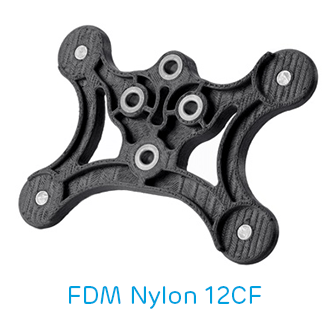
Combination of Nylon 12 base polymer and 30% by weight of chopped carbon fiber

Did you know that the most reliable and popular solution for additive manufacturing is Stratasys FDM technology, and within it, carbon fiber reinforced materials? 

Did you know that you can replace your metal parts with lightweight and extra-strong carbon fiber composite 3D printed parts?

Get to know Stratasys' reliable composite 3D printers from the VARINEX team!
We have been helping Hungary's leading industrial companies and their innovations with additive manufacturing for 25 years!

Three inspiring stories: advancing manufacturing with carbon fiber 3D printing

Improving Manufacturing with Carbon Fiber 3D Printing: Three Inspiring Stories

Improving Manufacturing with Carbon Fiber 3D Printing: 3 Case Studies

carbon fiber composite 3D printers, such as the Stratasys F370®CR, companies can leverage the benefits of carbon fiber-filled thermoplastics, revolutionizing manufacturing processes through additive manufacturing. In this blog post, we explore three notable stories in which companies have recognized the potential of carbon fiber 3D printing, demonstrating its efficiency, power, and versatility.

Graco harnesses the power of composite 3D printing

Graco: Increasing Efficiency with Ergonomic Tool Handles

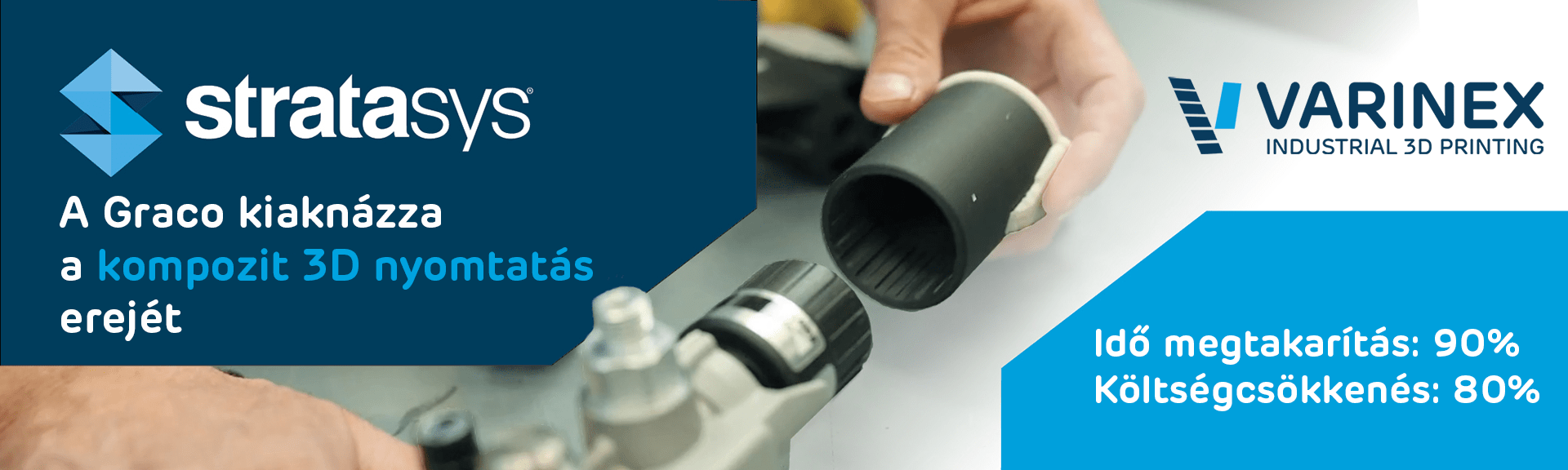
Graco, a leading manufacturer of fluid and coating systems, was faced with a challenge regarding the pressure control tool for its paint sprayers. The teeth of the existing ABS plastic tool were wearing out with repeated use, requiring frequent replacement. The company sought a cost-effective, durable, and easy-to-manufacture solution that did not require frequent replacement.

The Solution: Composite 3D Printing with Carbon Fiber
a Stratasys F370®CR composite 3D printer, Graco engineers FDM® Nylon-CF10 thermoplastic, a material blended with 10% shredded carbon fiber, which provides greater strength and toughness compared to ABS. The 3D printed hand tool features an ergonomic handle that is faster and easier to produce and outperforms the traditional machining alternative.

JW Speaker: Rationalizing the production of automotive lighting fixtures

JW Speaker Corporation, a manufacturer of high-performance automotive lighting, was challenged with leak testing its newly developed luminaires. The traditional approach involved manufacturing custom mounts from aluminum, a time- and resource-intensive process.

The Solution: 3D Printing with Carbon Fiber Materials
FDM ,® NylonCF10 JW Speaker tool designers achieved remarkable results. The material mixed with carbon fiber offers increased stiffness and strength, making it suitable for more demanding applications. The Stratasys F370CR composite 3D printer allowed the team to reduce tool production time by 80%, providing greater flexibility in tool design.

Mercury Marine: Faster and more robust custom masking devices

Mercury Marine, a leading manufacturer of power systems for consumer and commercial boats, faced challenges in manufacturing custom masking tools for applying decals to engine hoods. Traditional methods were costly and time-consuming, leading to frequent replacements due to damage and wear.

The Solution: Carbon Fiber 3D Printing Technology
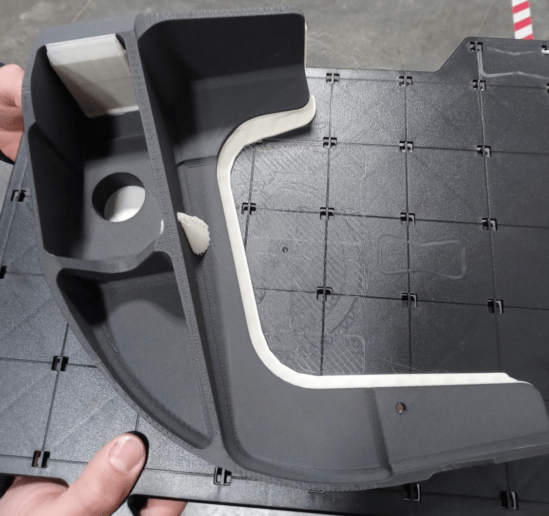
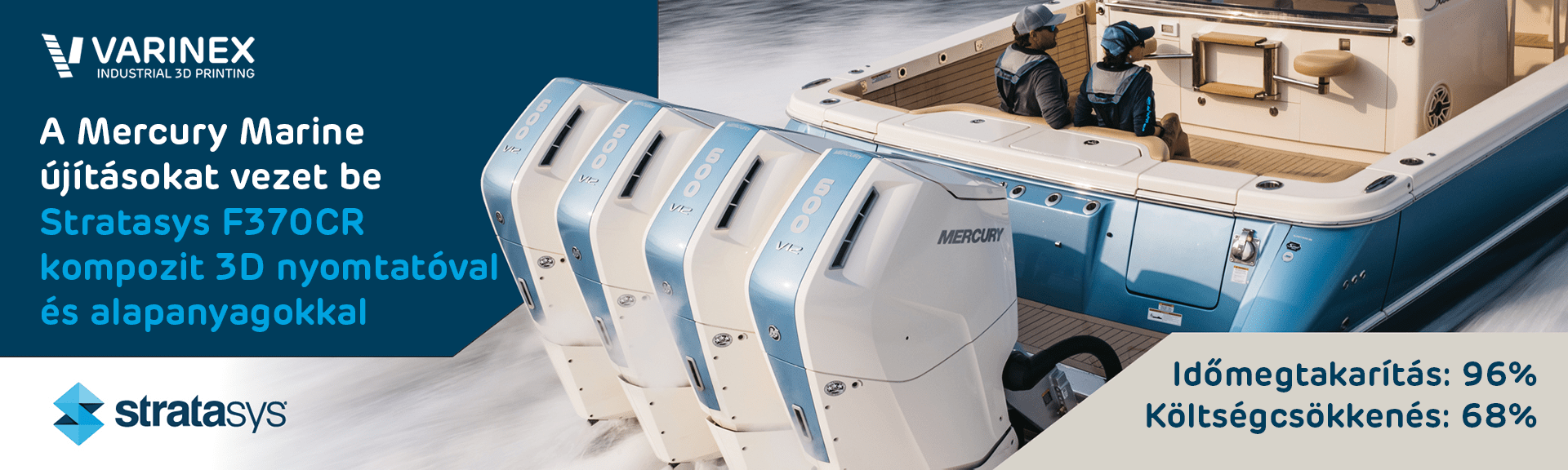
Mercury Marine designers Stratasys F370®CR composite 3D printer used FDM® Nylon-CF10 and FDM® TPU-92A (flexible thermoplastic polyurethane) resulted in a fixture that conforms to the curvature of the engine cover and avoids scratching the surface.

Summary

The combination of 3D printing technology and carbon fiber materials has catapulted the manufacturing industry into a new era of efficiency, strength, and versatility. With carbon fiber 3D printers like the Stratasys F370®CR Composite 3D Printer, companies like Graco, JW Speaker, and Mercury Marine have redefined their toolmaking processes, optimizing productivity, reducing costs, and enabling flexible design iterations. As the potential of carbon fiber 3D printing continues to expand, the technology holds great promise for driving innovation across a wide range of industries. Using this innovative technology is no longer about whether we can print carbon fiber, but rather as an opportunity to revolutionize manufacturing processes and stay at the forefront of development. The production of complex, undercut geometries was made possible in the examples above by the soluble support material used by Stratasys.

The aforementioned companies have already recognized the potential of carbon fiber 3D printing, its efficiency, strength, and versatility.

Download the extended version of the 3 inspiring case studies in Hungarian now!

Three inspiring stories: advancing manufacturing with carbon fiber 3D printing
Name:* Workplace name:* Email address:* Work phone number:* I consent to VARINEX Zrt. sending newsletters, professional materials, and information to the contact information I have provided. This data processing consent – ​​which is based on a voluntary decision – is valid until withdrawn.

I have read and understood the In the data protection information reserved.*

THE *Fields marked with are required!