10 years of reliable performance – the story of the Fortus 450mc

10 years of reliable performance – the story of the Fortus 450mc

Think back to the moment you first considered investing in additive manufacturing. What was your primary consideration? Would you have reduced risk with a cheaper 3D printer, or prioritized long-term performance with a more robust solution?
If you’re still weighing your options, this blog post will show you why the Fortus 450mc FDM printer remains an outstanding investment to this day.
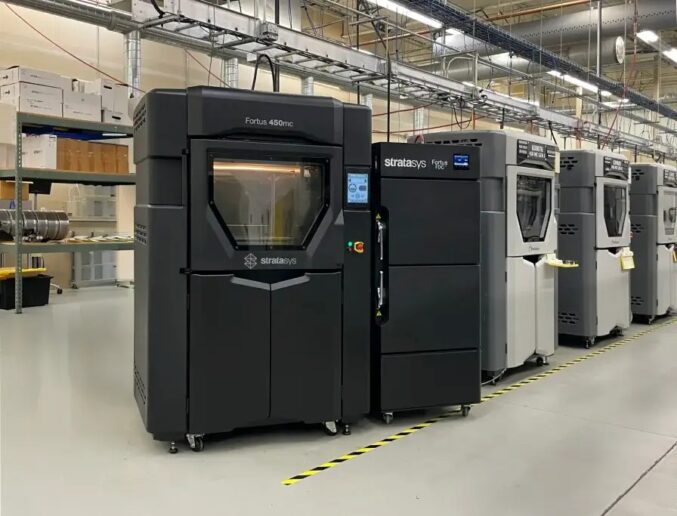
The professional toolmaking solution for industrial 3D printing: The new Fortus 450mc
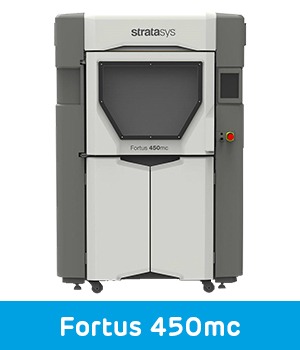
Since its introduction in 2014, 92% of the Fortus 450mc printers installed are still in active use today. The new version continues this legacy: it comes with a renewed design, future-proof developments and expanded functionality.

Here are some key features that make the Fortus 450mc a production-line ready solution:

Keeping pace with modern manufacturing

It's no coincidence that the Fortus 450mc has become an industry favorite over the past decade. Through regular updates, it has continuously adapted to the changing needs of manufacturing and made industrial additive manufacturing capabilities available at a price much more affordable than premium machines.

The printer has a higher build volume than lower-cost models and can process a wide range of thermoplastics, including high-temperature polymers. It also operates as an open system with the new OpenAM software, allowing it to handle third-party and proprietary materials.
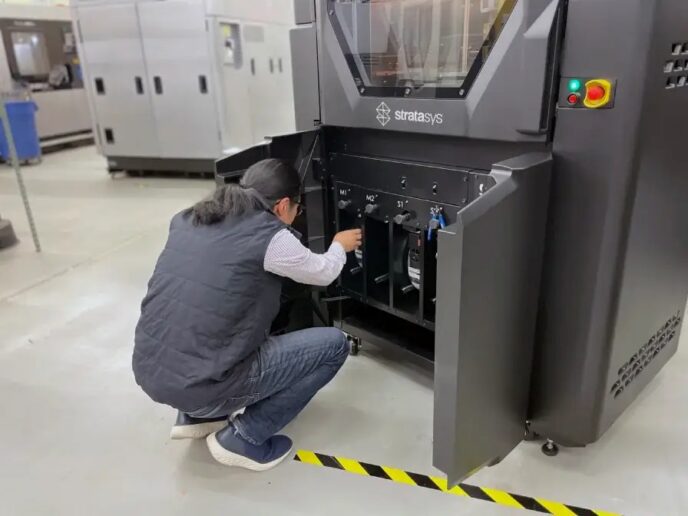
Technology developments in the last 10 years:

2015: ULTEM™ 1010 – a new high-performance plastic

2016: ULTEM™ 9085 Certified Grade – aerospace grade

2016: GrabCAD Print – simplified CAD printing workflow

2017: Nylon 12CF – first carbon fiber FDM material

2018: Antero 800NA – PEKK-based high-performance polymer

2020: MTConnect – communication with production line systems

2022: New printheads (T16A, T20, T20F) – better quality, faster production

2022: OpenAM software – open parameter management

2022: 13 new Validated Materials

2023: GrabCAD Print Pro – increased productivity

2023: IPv6 protocol – more advanced network security

2024: VICTREX™ AM 200 and PC-ESD – new Validated Materials

2025: The next decade of the Fortus 450mc begins – in a new, production-ready version
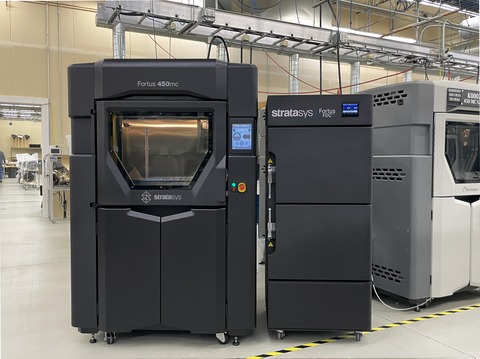
“That all sounds great, but how does the Fortus 450mc actually perform?” – The answer comes from an independent study that examined the reliability and repeatability of Stratasys FDM technology. The results showed that the Fortus 450mc demonstrated extremely high dimensional accuracy and consistent print performance.

The bottom line: you’ll be hard-pressed to find another FDM printer that offers such industrial-grade additive capabilities in a mid-range, affordable system. The Fortus 450mc can cover a wide range of additive applications while offering more time- and cost-effective solutions than traditional manufacturing methods.

The industrial-grade solution that manufacturers rely on

If all this wasn't enough, let's take a look at some real user experiences:

Mecoval (Spain) – Antonio Enguix Lozano, CEO:
“Stratasys’ industrial-grade material range was a crucial consideration for us. The introduction of the Fortus 450mc has fundamentally changed the way our business operates – we really got what we expected.”

East/West Industries – Mike Vetter, Product Development Director:
“The flexibility of the Fortus 450mc keeps us open to new possibilities. We printed a full-size mold using Nylon 12CF – it worked great on the first try and saved us a lot of time.”

Siemens Mobility – Michael Kuczmik, Head of Additive Manufacturing:
“The rapid and economical production of customized devices and spare parts has revolutionized our supply chain.”

The industrial-grade solution that manufacturers rely on

The Fortus 450mc is still a complete solution for manufacturers after 10 years: opening up new applications, increasing flexibility, while offering reliable operation and simple workflows. The new version continues this legacy.
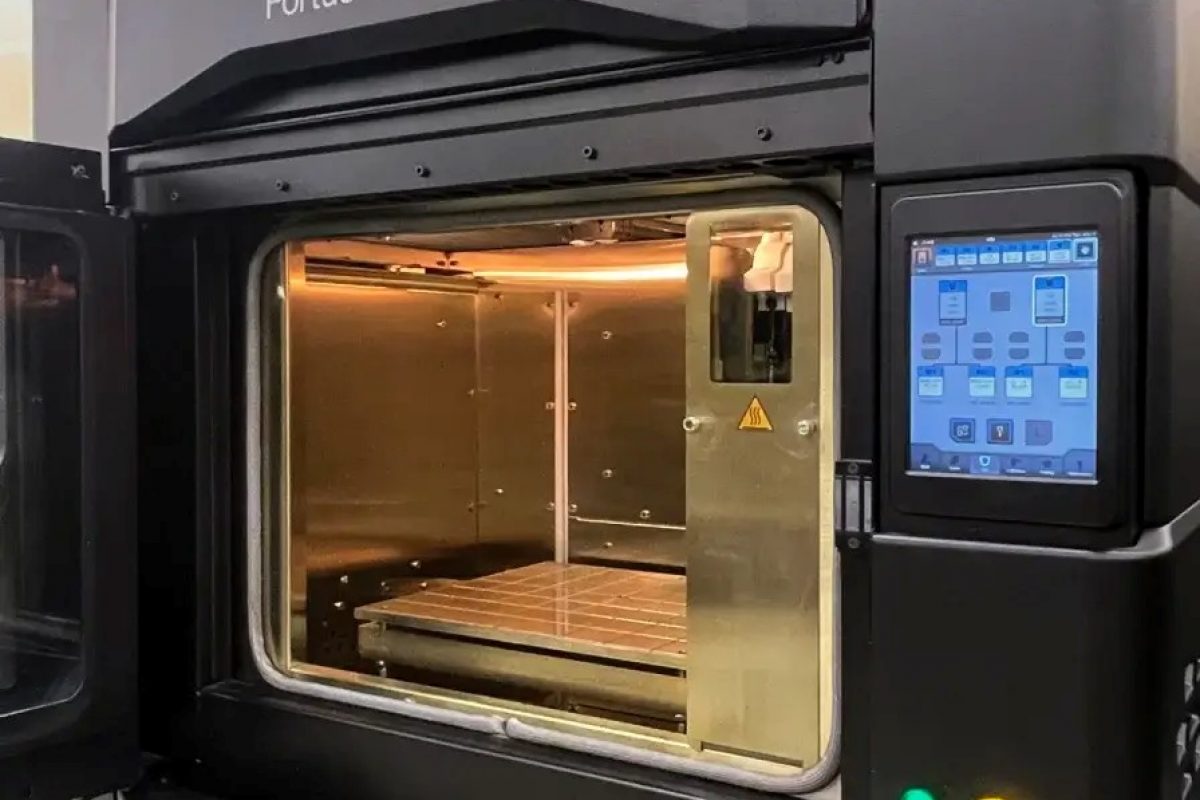
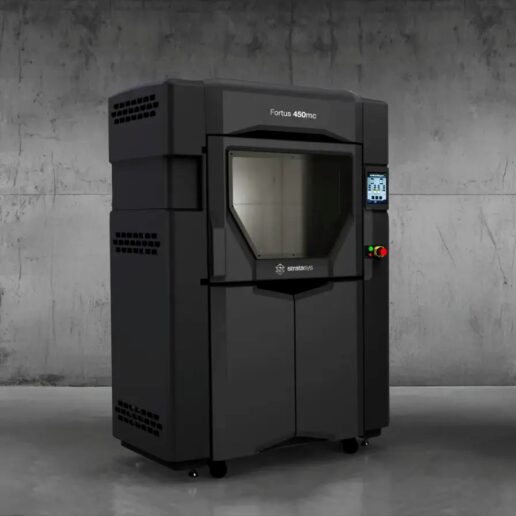
fortus-450mc-print-chamber-open

8 pages of knowledge and inspiration – download now!

We've gathered together why manufacturers around the world choose the Stratasys Fortus® 450mc system.
Technological developments, real-world examples, and the latest material innovations all in one place.
Stratasys Celebrates 10 Years of the Fortus 450mc 3D Printer with New Production-Ready Additive Manufacturing Solution

Stratasys Celebrates 10 Years of the Fortus 450mc 3D Printer with New Production-Ready Additive Manufacturing Solution

Stratasys today announced the launch of the latest version of the Fortus® 450mc 3D printer, celebrating the tenth anniversary of one of the industry’s most trusted manufacturing solutions. Over the past decade, the Fortus 450mc system has become known for its reliability and solid position as a mid-range FDM® solution – with 92% of systems installed to date still actively producing today.

The Fortus 450mc printer is designed for customers who value durability, accuracy and repeatability. It has proven its value in a wide range of industries worldwide, including aerospace, automotive and general manufacturing, where it produces high-strength templates, fixtures, tools and end-use parts with industrial-grade performance and material selection.

The new version of the Fortus 450mc carries on this legacy with packaged enhancements designed to expand application capabilities, increase productivity, and improve connectivity and security.

New features include:

GrabCAD Streamline Pro provides an enterprise-grade cybersecurity solution that protects Stratasys printers and their associated networks from cyberattacks and business interruption. GrabCAD Print Pro software further improves printing processes through increased accuracy, real-time data analysis, and workflow optimization. The license also includes “fixturemate by trinckle,” which automates the design of custom fixtures.

Stratasys has also announced additional enhancements for this year, including support for a new fiberglass-reinforced, fire-resistant material and increased print speeds for certain materials – further strengthening the Fortus 450mc’s role as a complete, production-ready solution.

“It is a testament to the system’s reliability that 92% of Fortus 450mc printers are still in active production ten years after installation,” said Rich Garrity, business unit manager, Stratasys. “With this new, production-line optimized tooling solution, we have further enhanced what our customers have come to trust to deliver even greater value to them. This is another example of how we are building on our success and driving innovation in FDM technology.”

fortus-450mc-print-chamber-open

8 pages of knowledge and inspiration – download now!

We've gathered together why manufacturers around the world choose the Stratasys Fortus® 450mc system.
Technological developments, real-world examples, and the latest material innovations all in one place.
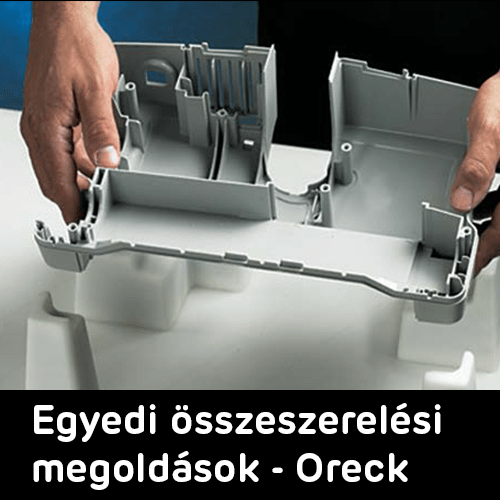
Custom Assembly Solutions - Oreck Case Study

Custom 3D Printed Clamping Devices – Oreck Case Study

Oreck case study

Custom assembly solutions

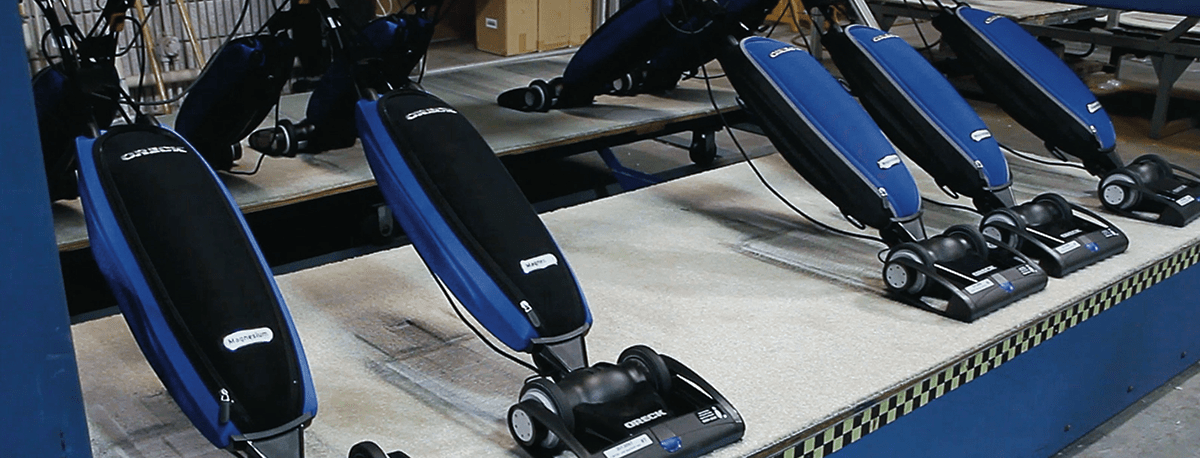
Oreck Manufacturing produces 40-50 identical assembly pallets for each series of vacuum cleaners. That was the case with the company’s Titanium series, the XL21 upright household vacuum. This high-end device provides users with features such as hypoallergenic filtration, an adjustable two-speed motor, and advanced sound-absorbing technology.

The production line pallets fix the top cover of the vacuum cleaner in precise position, making the device quick and easy to assemble. After the motor, fan housing and other supporting structural elements are placed in the fixed top cover, the bottom cover is fitted onto it.

“Some traditional clamping device projects cost over $100,000, so the savings can be significant.”

Bill Fish
Oreck

Simplified assembly

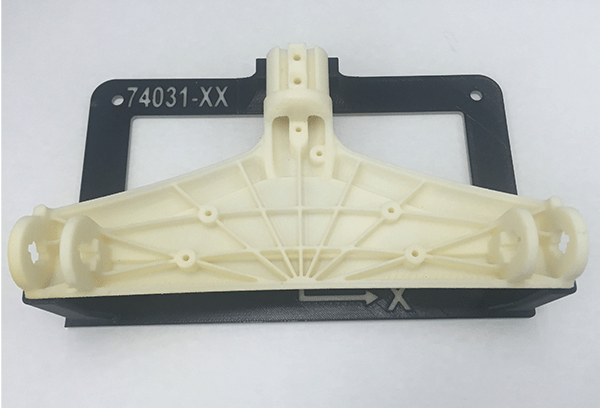
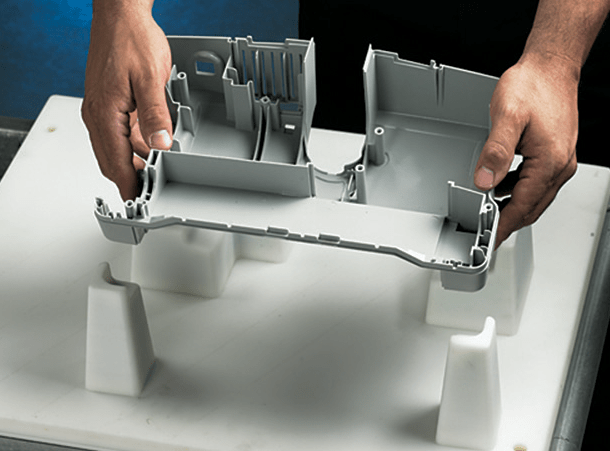
Each assembly fixture consists of four plastic posts that can be attached to a standard Bosch assembly pallet. In addition to being specifically tailored to hold the cover, the fixture components have a tolerance of 0.076 mm, so the cover is held firmly in place.

Oreck’s engineering team uses standard CAD tools to design the parts needed for each fixture. According to Oreck’s lead modeler, Bill Fish, “Designing the fixture parts is pretty straightforward. We already have a file for the standard support columns. We add the 3D top cover, embed it in the support column, and then remove the cover. The whole job takes about an hour and a half.”

Previously, Oreck used only traditional methods to make assembly fixtures. These included silicone or epoxy molds and urethane castings with inserts. A few years ago, Oreck acquired two Fortus 3D manufacturing systems . FDM technology gave them the ability to additively manufacture fixtures, which they use whenever possible.
“Using additive manufacturing reduces fixture manufacturing costs by up to 65 percent because we manufacture them in-house,” said Fish. “Some traditional fixture projects cost over $100,000, so the savings can be significant.”
At that rate, the machines can pay for themselves even with a small number of projects.

3D Printed Clamping Device - Oreck Case Study
Oreck uses additive manufacturing to create custom assembly pallets. During assembly, the vacuum cleaner's top cover is placed upside down into the pallet.

3D printing the pallet assembly fixture is just the beginning. Maintaining pallets in demanding production environments is just as important as sourcing original parts. “If for some reason a fixture snaps or breaks during use, we can quickly and easily replace it in-house. Anything that takes a pallet out of production costs us money. We run the Fortus systems 24 hours a day,” said Fish. 

In addition to manufacturing fixtures, Oreck uses FDM technology to produce prototypes and models for marketing photos and advertisements.
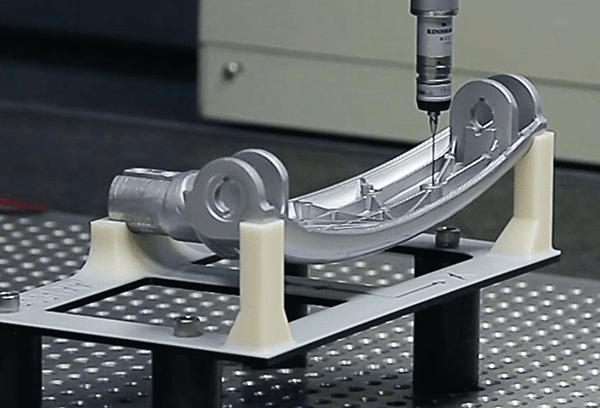
“We also use the machines to manufacture special assembly tools, fixtures for coordinate measuring machines (CMMs), engineering inspections and CNC milling machines. We also produce complete mockups. The only limit to our machines is our imagination.”

Proceedings Cost
Traditional pressing and casting
$100,000
FDM manufacturing
$35,000
Savings
$65,000 (65%)
Oreck 3D printed clamping device
3D Printed Clamping Device - Oreck Case Study
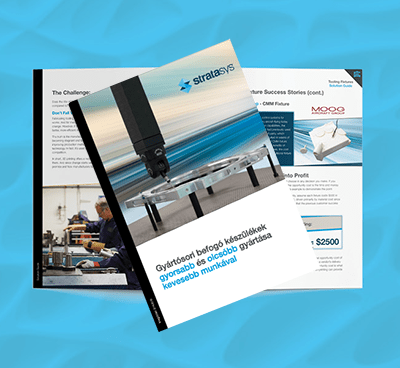
Download the solution guide for manufacturing clamping devices!

Learn how additive manufacturing can bring new momentum to the fixture manufacturing process while increasing time and cost savings!

Download the 12-page 
Solution Guide in Hungarian!

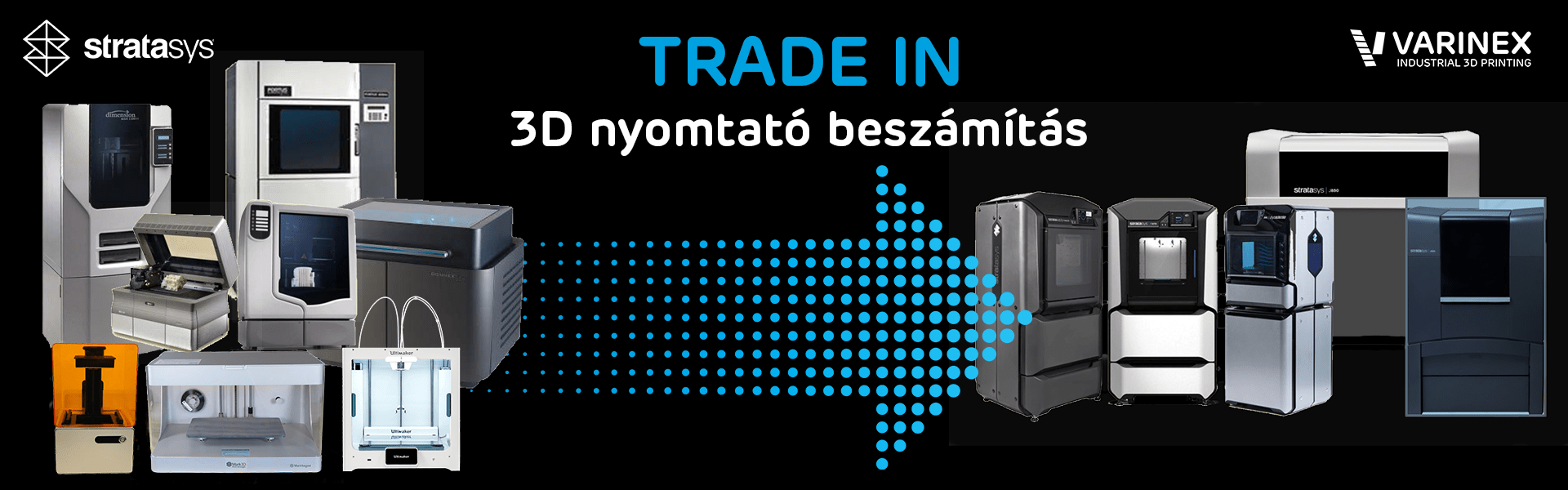
Trade in your current 3D printer for a discount!

Trade in: 3D printer credit

3D printer credit when purchasing new Stratasys equipment

Renew your 3D printer for great discounts!

Find out how much your EXISTING 3D printer is worth
when you buy a NEW STRATASYS MACHINE!

In the rapidly changing world of 3D technologies, our 3D scanners and 3D printers are faster and more efficient than ever, and the ever-expanding range of 3D printer materials supports the introduction of new applications. To stay ahead of the competition, it is essential to keep up with the latest technological developments.

To help achieve this goal, our current trade-in offer is a great starting point for any business looking to upgrade their old Stratasys 3D printer or replace their 3D printer from another brand with a new Stratasys machine.

When purchasing a new Stratasys 3D printer, VARINEX will now credit your existing 3D printer! The trade-in value offered depends on both the 3D printer you are trading in and the 3D printer you wish to purchase, based on our unique offer. 

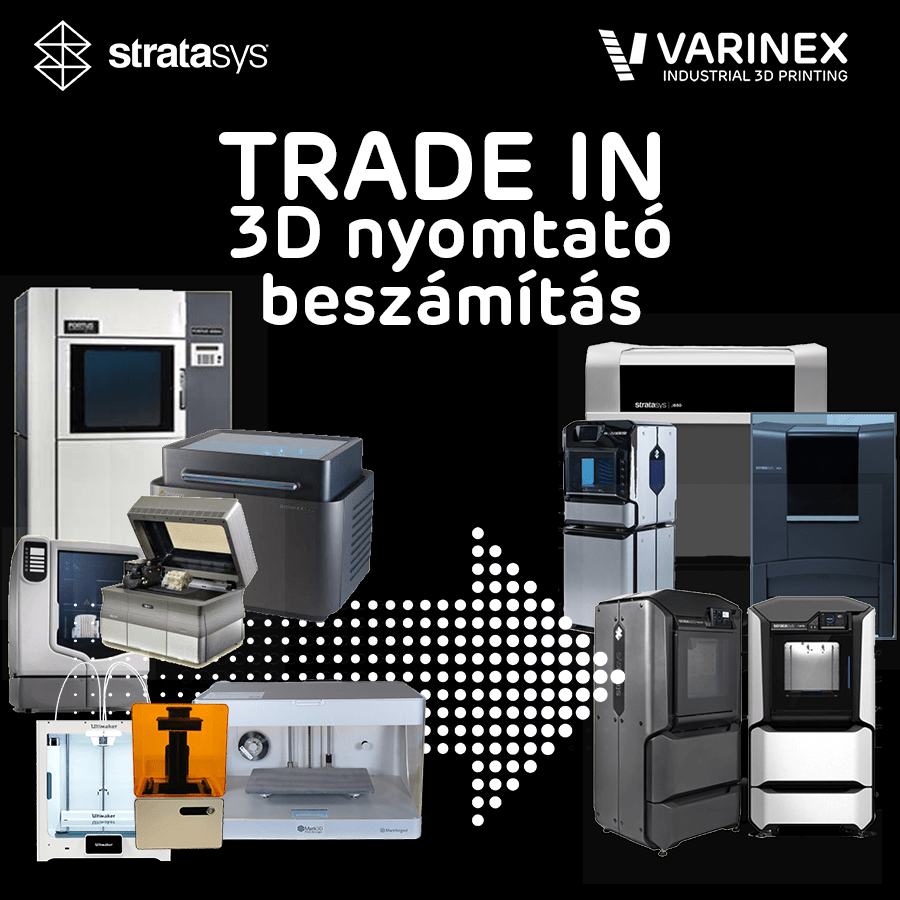
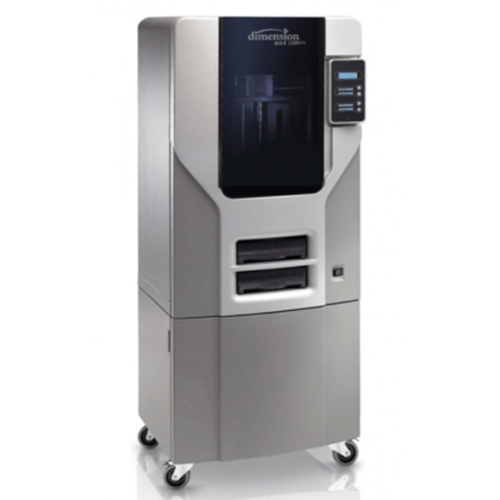
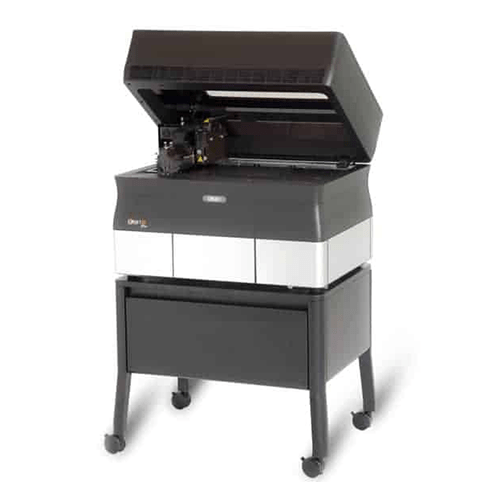
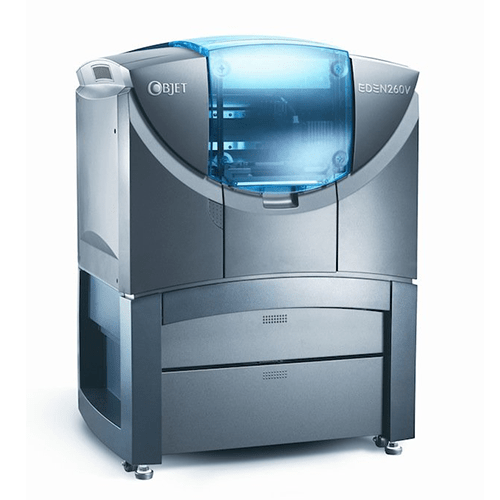
SOME EXAMPLES OF INTERCHANGEABLE EQUIPMENT

Contact our expert colleagues to discuss how much your existing 3D printer can be included in the promotion!

FIND OUT THE CURRENT VALUE OF YOUR 3D PRINTER!

Enter your current 3D printer type to calculate your discount!

3 simple steps to the exchange process

Enter your details and the details of the 3D printer you want to replace (type, serial number, year of manufacture) on our form!

Based on the information provided, we will send you a valuation, from which you can find out how much discount you can expect.

Use the discount to get your new Stratasys 3D printer!

Which Stratasys 3D printers are eligible for the discount?

FDM technology

PolyJet technology

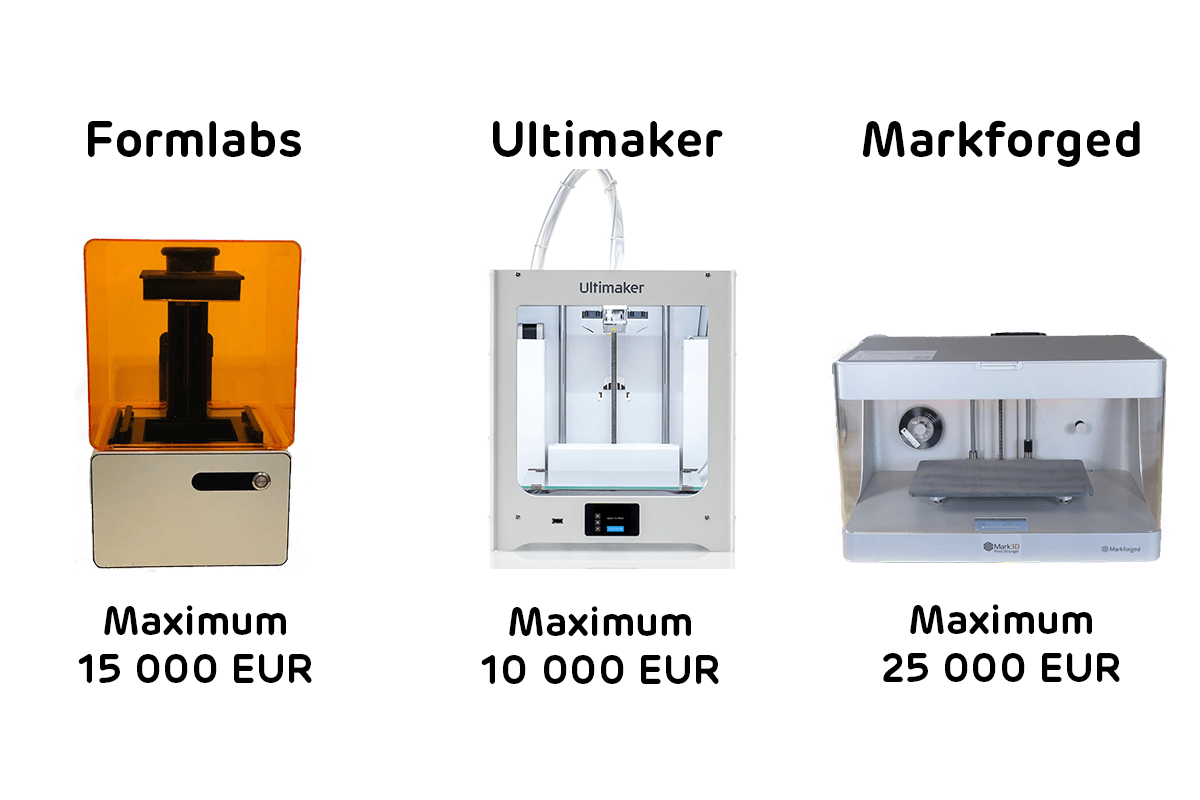
INTERCHANGEABLE BRANDS

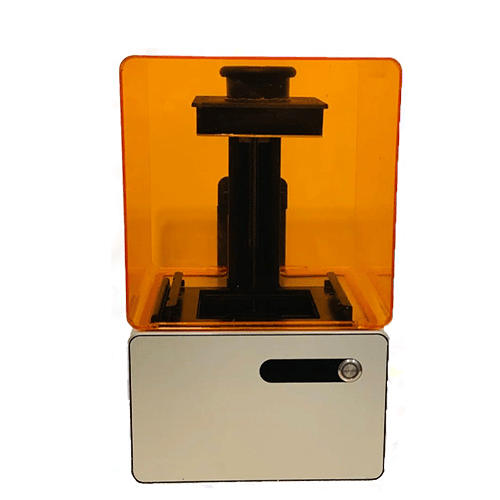
Formlabs

Trade-in 3D printer exchange offer

Maximum EUR 15,000

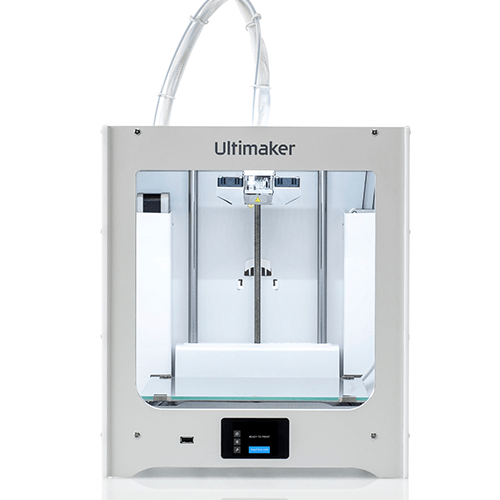
UltiMaker

Replace your Ultimaker 3D printer!

Maximum EUR 10,000

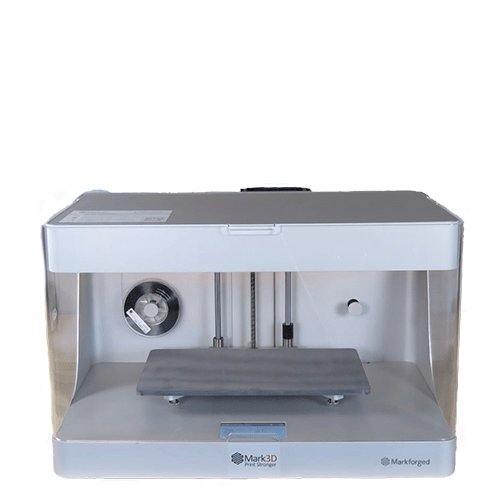
Markforged

Trade-in 3D printer exchange offer

Maximum EUR 25,000

Trade in your 3D printer for a discount!

Buy your new 3D printer at a discount by replacing your existing technology!

Industry-leading cutting-edge technology

Solve your biggest challenges with Stratasys' unmatched technology!

Premium service support

Our premium service ensures that your 3D printer operates reliably 24 hours a day.

Do you have a question?

DO YOU HAVE A QUESTION?

We understand that implementing additive manufacturing can raise many questions for your business.

We are happy to help you find your way, andour team of experts is ready to assist you!

Zoltán Fehér
Technical Director
+36 30 241 7813
feher@varinex.hu

Bence Misli
sales consultant
+36 30 321 2225
misli@varinex.hu

TDK Hungary Components Kft. uses Stratasys Fortus450 3D printer

At the forefront of industrial 3D printing – TDK Hungary Components Kft.

At the forefront of industrial 3D printing – TDK Hungary Components Kft.

TDK in Szombathely is one of the most significant European electronics development and manufacturing centers of the international TDK group, which supplies products to numerous automotive customers in Europe and worldwide. Miklós Koltay, process engineer at TDK Hungary Components Kft., has a long-standing relationship with VARINEX and works with the Stratasys Fortus 450 industrial 3D printer for most of his work.

"In future expansion, it is definitely advisable to think in the direction of industrial machines, as they are 4-8 times faster than small machines, so they are capable of a completely different volume. Even if they are more expensive, they are faster and the additional investment will quickly pay off."

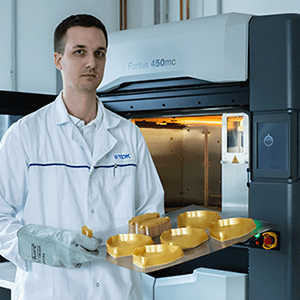
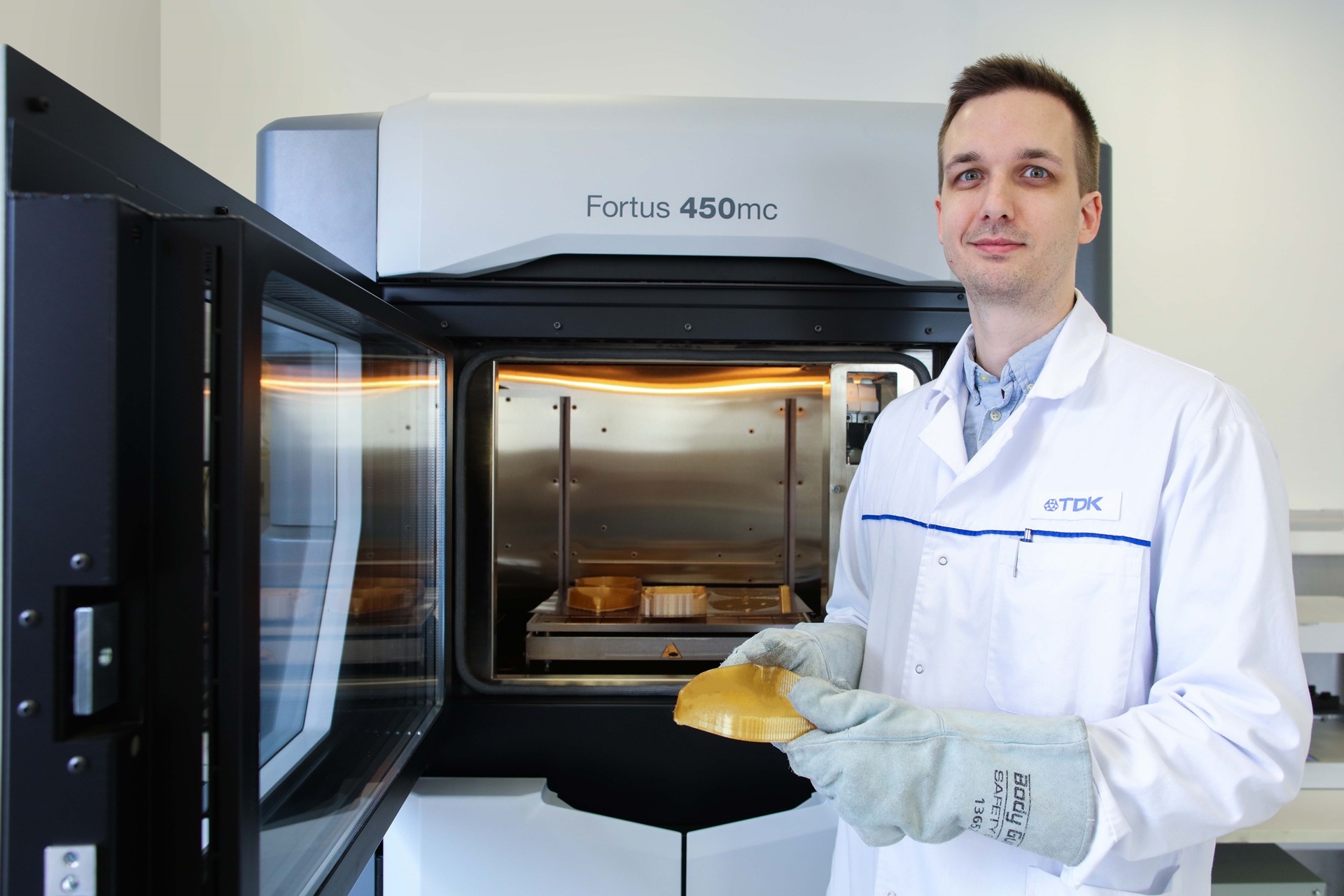
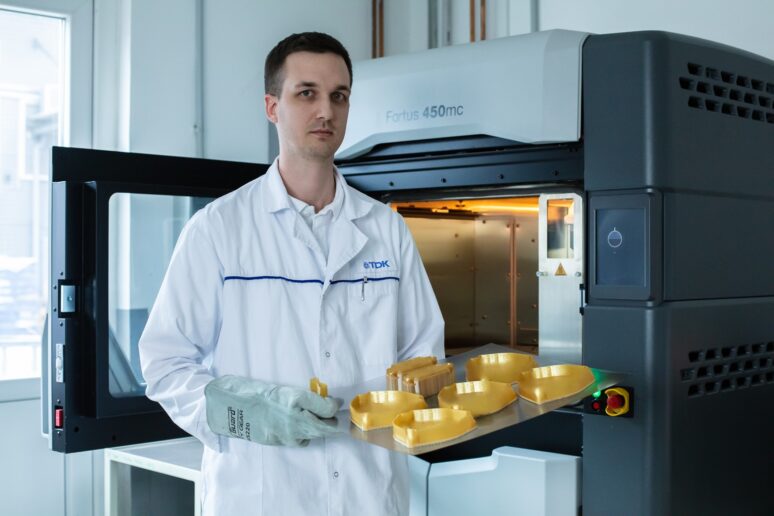
Miklós Koltay, process engineer at TDK Hungary Components Kft., with the Stratasys Fortus 450 3D printer
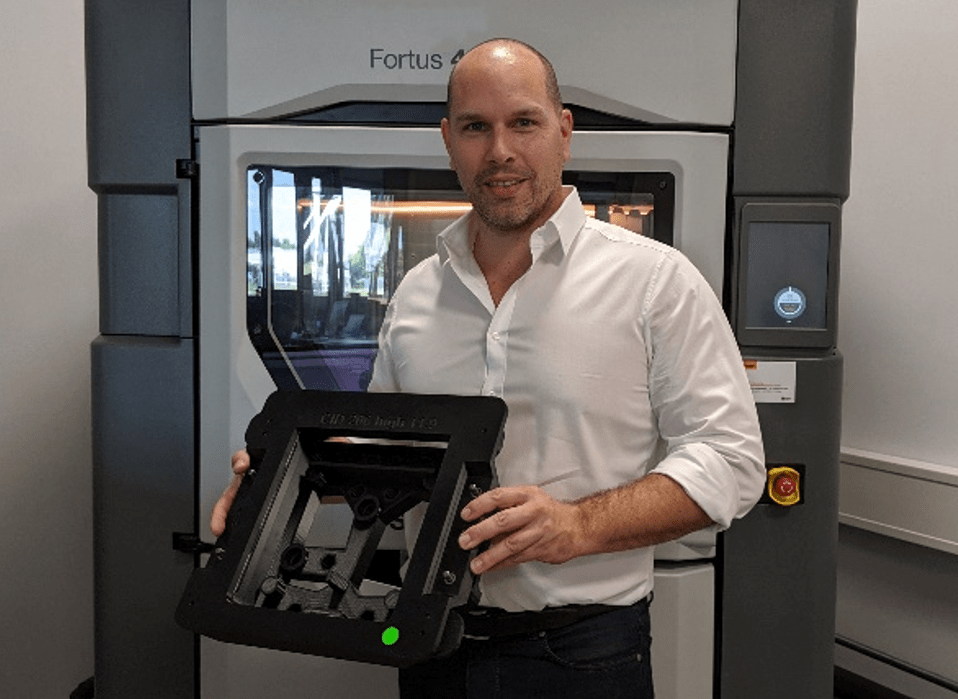
Miklós Koltay, process engineer at TDK Hungary Components Kft., with the Stratasys Fortus 450mc 3D printer

What comes to mind when I say VARINEX?

We already had a printer from VARINEX at my previous workplace, and another department at TDK has had an Objet30 Prime printer for about 7-8 years. When we needed to produce in industrial volume and with materials that were the same as those used in industry, we decided to buy the Stratasys Fortus 450 from VARINEX, this large-scale machine that I also work with.

What was life like at TDK before the machine, and what challenge did the Stratasys Fortus 450 machine provide?

The most important aspect that made us buy this machine was the range of industrial raw materials. In fact, this is the only machine on the market that currently meets our raw material requirements.

In the pre-machine days, we were just making devices for manufacturing, basically auxiliary tools. Then we also helped developers with prototypes, but we wanted to do it all at the speed and quality that the Stratasys Fortus 450 allows.

We also appreciate the services, for example, if there is any problem with the machine, VARINEX comes to service it within days, and if the situation requires it, they will even print the parts for us. It's just not what we had with our previous machines, where if there was any problem, I had downtime and couldn't print.

Is the machine running almost constantly?

It's quite busy, yes, as it operates at least 16 hours a day all week.

What is the practical experience, how much human help is needed for operation?

I'm actually the one who runs the lab and manages the machine, and I even design it, so I'm not bored. Now it's possible that I'll need some help in order to be able to use our machines in the future. Basically, in our department within TDK in Szombathely, I deal with device design. That's how I got involved with 3D printing in the first place, that we wanted to print the devices and parts I designed as rapid prototypes, or even use them in production, if the plastic allows it.

In your opinion, is the demand for 3D printing expected to continue to grow at TDK?

In the future expansion, it is definitely advisable to think in the direction of industrial machines, as they are 4-8 times faster than small machines, so they are capable of a completely different volume. Even if they are more expensive, they are faster and the additional investment will quickly pay off.

As far as I know, there is a lot of interest in this technology within the international TDK, not just in Hungary. This is actually a kind of “test”, we are now developing the system, as everyone knows that 3D printing is the future, or at least a large part of the industrial revolution that is still underway.

"I love this machine because it's fast and the materials are not even comparable in terms of heat resistance and mechanical resistance to those used in a regular desktop machine."

Approximately how many parts or devices are produced with Fortus per day?

This is difficult to say because we are talking about pieces of very different sizes in each case. Thanks to the machine parameters, it is possible to create a very beautiful surface on the finished pieces, because FDM technology works with layer-by-layer construction and is capable of producing very complex geometries. However, when building with thinner layers, production is slower, so the volume that can be produced in a given time also decreases, so the number of parts it produces per day also depends on the complexity of the pieces and the desired surface quality, and this obviously varies. With complex geometries, the return on a single piece is much higher, since these parts cannot be produced with traditional technologies, or would only be very expensive. But if you need strong parts with simpler geometry, it also knows that, and it is incredibly fast there.

What makes this machine so lovable to you?

I like this machine because it is very fast and the materials are not even comparable in terms of heat resistance and mechanical resistance to those that a regular desktop machine can handle. Stratasys machines come in three levels: our machine also knows all-materials, i.e. normal materials, followed by engineering and high-level materials. At the top level, serious aerospace and space materials appear, and we use them, which is why we bought the machine. What makes it unique for us is that these materials are also available with it.


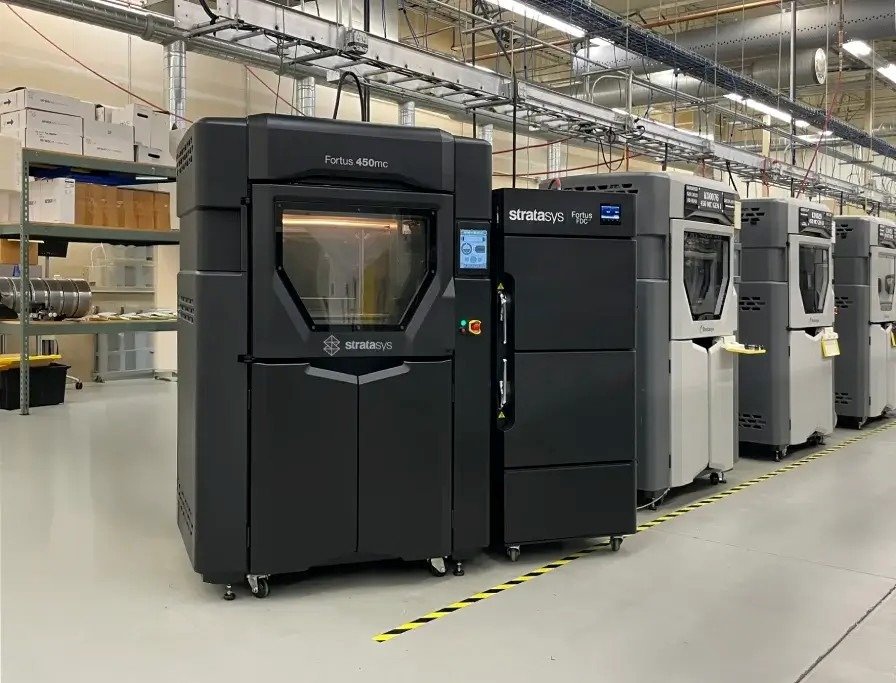
The Stratasys Fortus 450mc 3D printer delivers accurate, reliable performance to transform supply chains, accelerate manufacturing, and reduce manufacturing costs.

Learn more about the capabilities of the Stratasys Fortus 450mc used by TDK Hungary Components Kft.!

Continental uses Stratasys Fortus 450 3D printer

Continental strengthens with Stratasys Fortus 450 3D printers

Continental uses Stratasys Fortus 450 3D printer
Stefan Kammann in front of the Stratasys Fortus 450mc 3D printer at the ADaM Competence Center

Continental strengthens production capabilities with Stratasys FDM additive manufacturing

Continental AG, a leading automotive technology company, has been successfully using additive manufacturing for more than 20 years. Its Additive Design and Manufacturing Competence Center in Karben, Germany, integrates the technology into its entire design and production process.

To address its in-house manufacturing needs and meet customer expectations, Continental has invested in a Stratasys Fortus 450mc™ 3D printer to strengthen its manufacturing capabilities. The technology enables the production of durable, high-performance parts made from ULTEM™ 9085 resin, while the ABS-ESD7™ material also enables Continental to 3D print ESD-compatible assemblies.

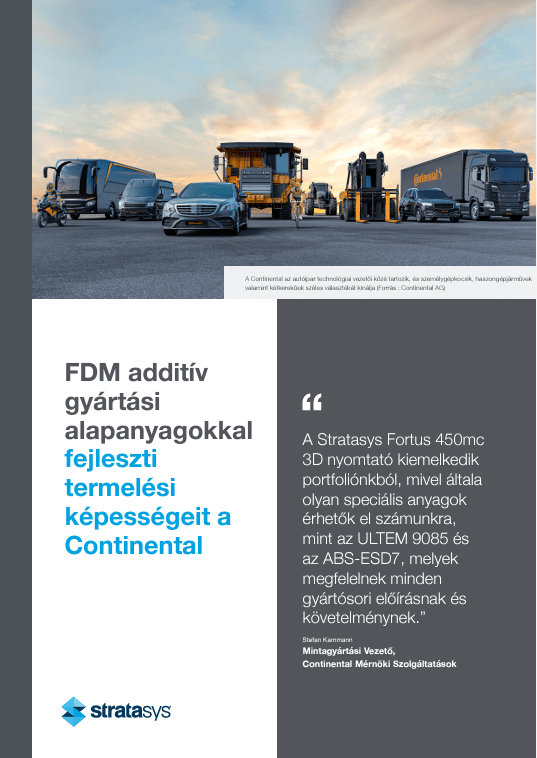
"The Fortus 450mc stands out in our portfolio because it gives us access to highly specialized materials like ULTEM™ 9085 resin and ABS-ESD7™, which allow us to meet demanding manufacturing applications in the production facility."
Stefan Kammann
Continental Engineering Services

The challenge

• To prevent production disruptions, replacement tools and equipment need to be procured quickly and customized solutions are needed.
• Increased work with electronic components means that ESD-compatible tools and manufacturing support equipment are essential.

The solution

• In-house Stratasys FDM® additive manufacturing increases production speed by producing customized, high-performance tools and components on demand.
• The Fortus 450mc 3D printer enables rapid production of ESD-compliant production support tools in ABS-ESD7 material, avoiding damage to parts or downtime when coming into contact with sensitive electronics.
• The Fortus 450mc enables parts to be produced in a matter of hours. This means Continental can schedule print jobs to run overnight, so they can receive finished parts the next morning.

Stratasys Fortus450 3D printing at Continental

Learn how Continental integrated the Stratasys Fortus450 3D printer into its manufacturing processes!

Download our 4-page case study in Hungarian now!

Name:*

Email address:*

Workplace name:

Phone number:*

I consent to VARINEX Zrt. sending newsletters, professional materials, and information to the contact information I have provided. This data processing consent – ​​which is based on a voluntary decision – is valid until my consent is withdrawn.

I have read and understood the Privacy Policy .*

are *Fields marked with


McLaren takes the lead with Stratasys 3D printing

McLaren takes the lead with Stratasys 3D printing

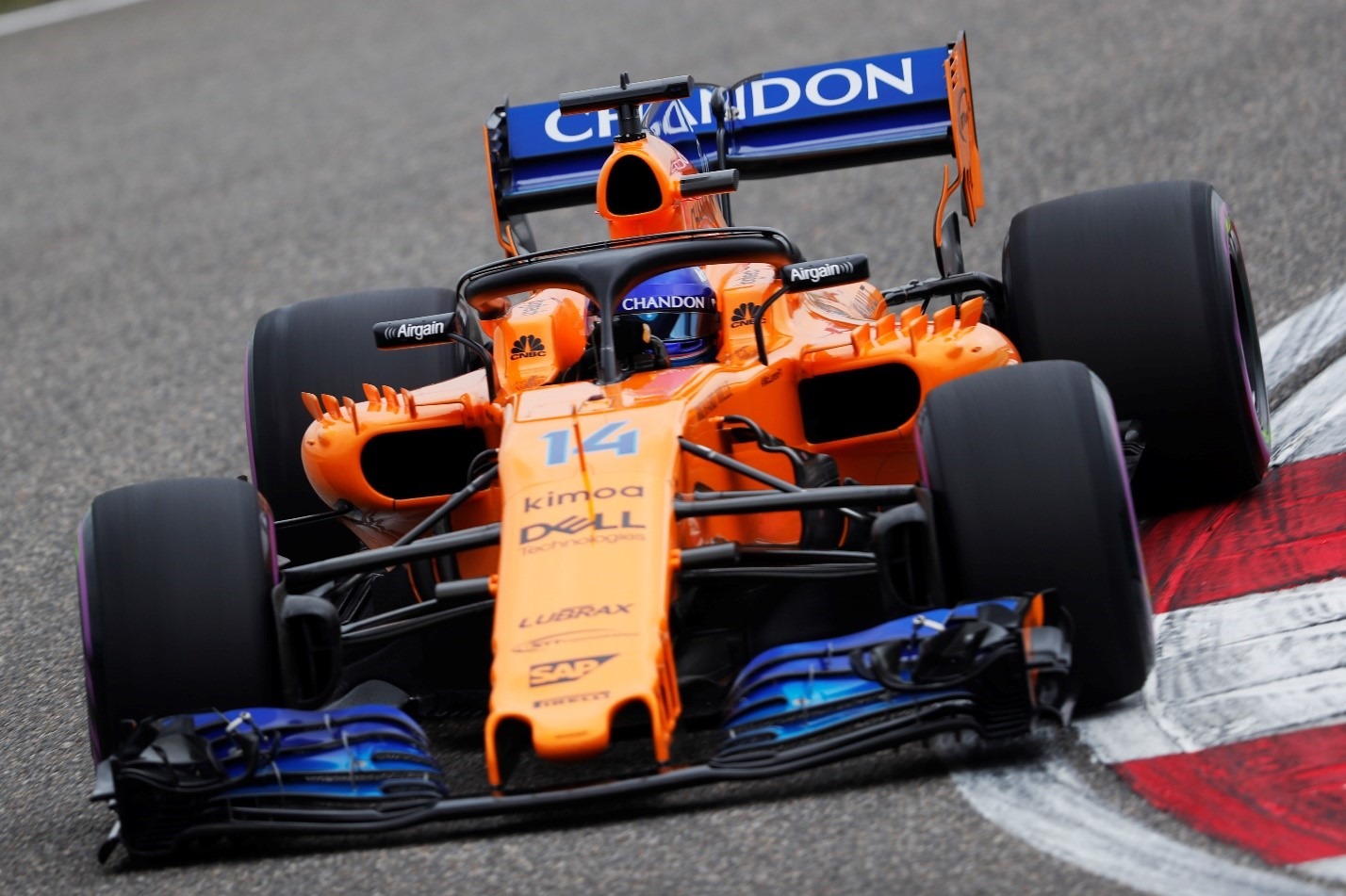
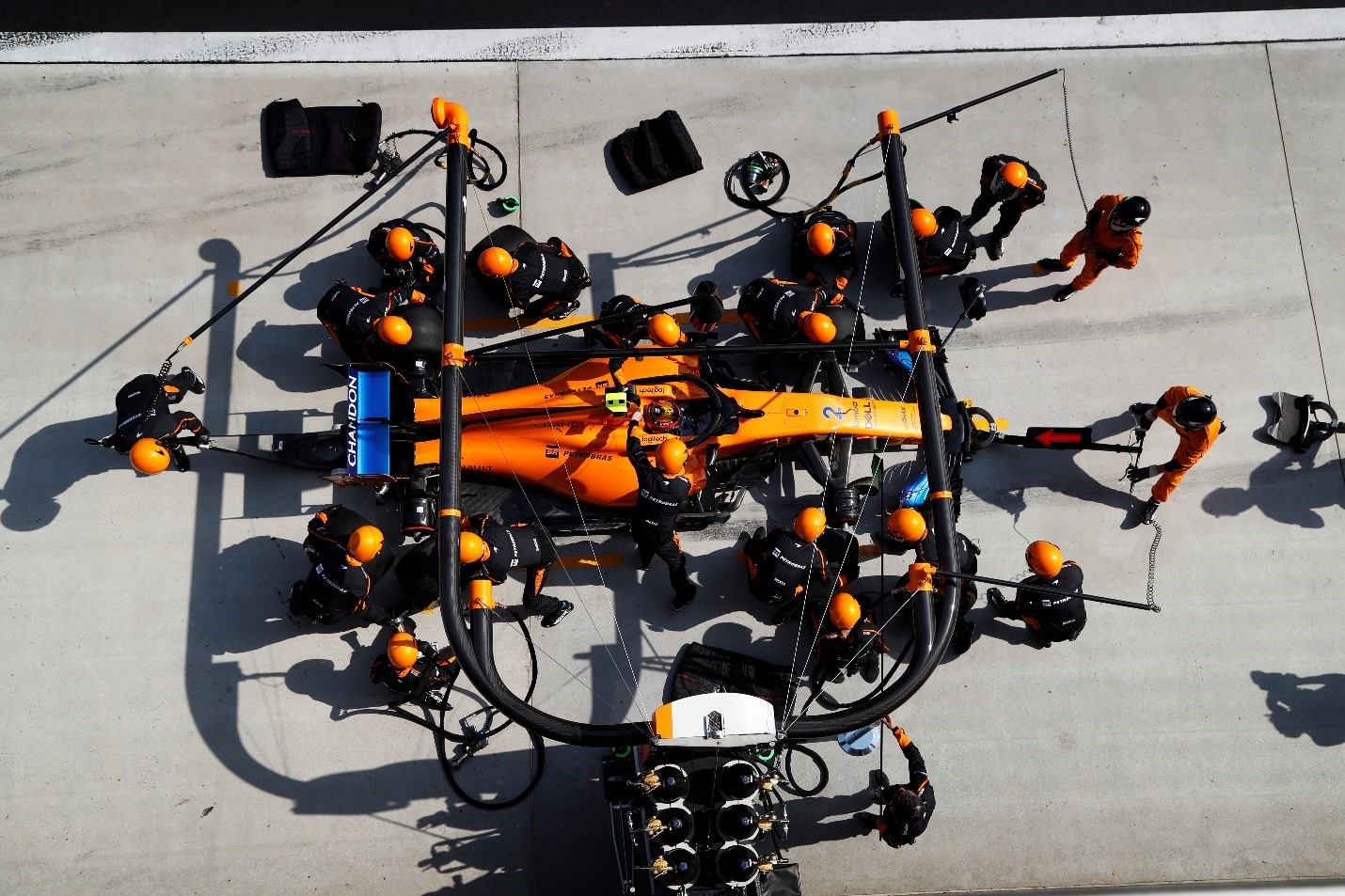
The Surrey-based McLaren Racing team, which has won 12 drivers’ and 8 constructors’ championships in Formula 1, is now using Stratasys 3D printing technologies to speed up design iterations and reduce the weight of its McLaren race car.

McLaren race cars run with 3D printed parts

3D printed parts designed to improve the performance of the 2017 race car include a hydraulic line bracket, flexible radio harness bracket, carbon fiber composite brake cooling pipes and a rear wing end plate.

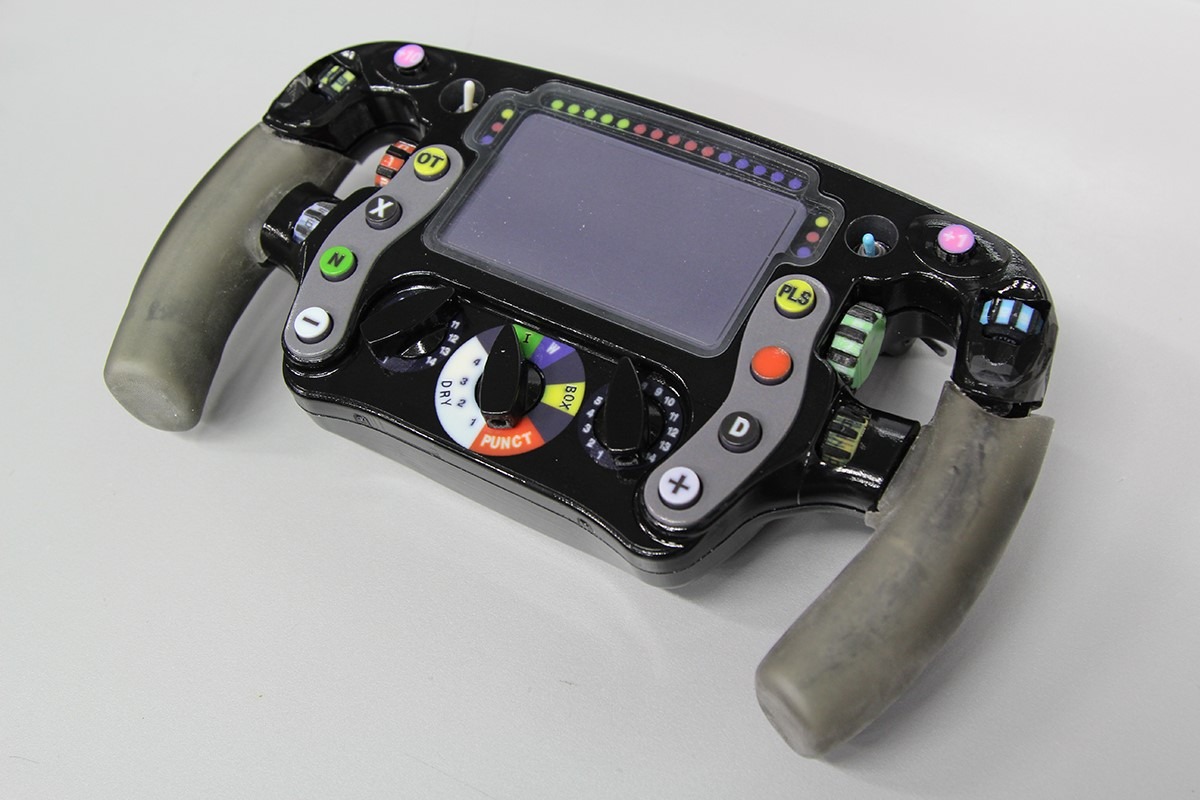
The race car console was completed in four hours, compared to the estimated two-week production time for traditional manufacturing processes.

McLaren Formula 1 racing car steering wheel
Image courtesy of McLaren.

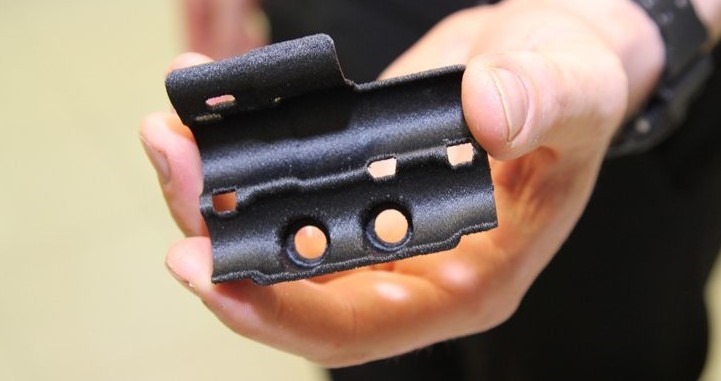
McLaren 3D printed the structural bracket for the hydraulic line mounting using a Stratasys Fortus 450mc 3D printer, using carbon fiber reinforced nylon material (FDM Nylon 12CF).

The hydraulic line support bracket of the race car. Image courtesy of McLaren.
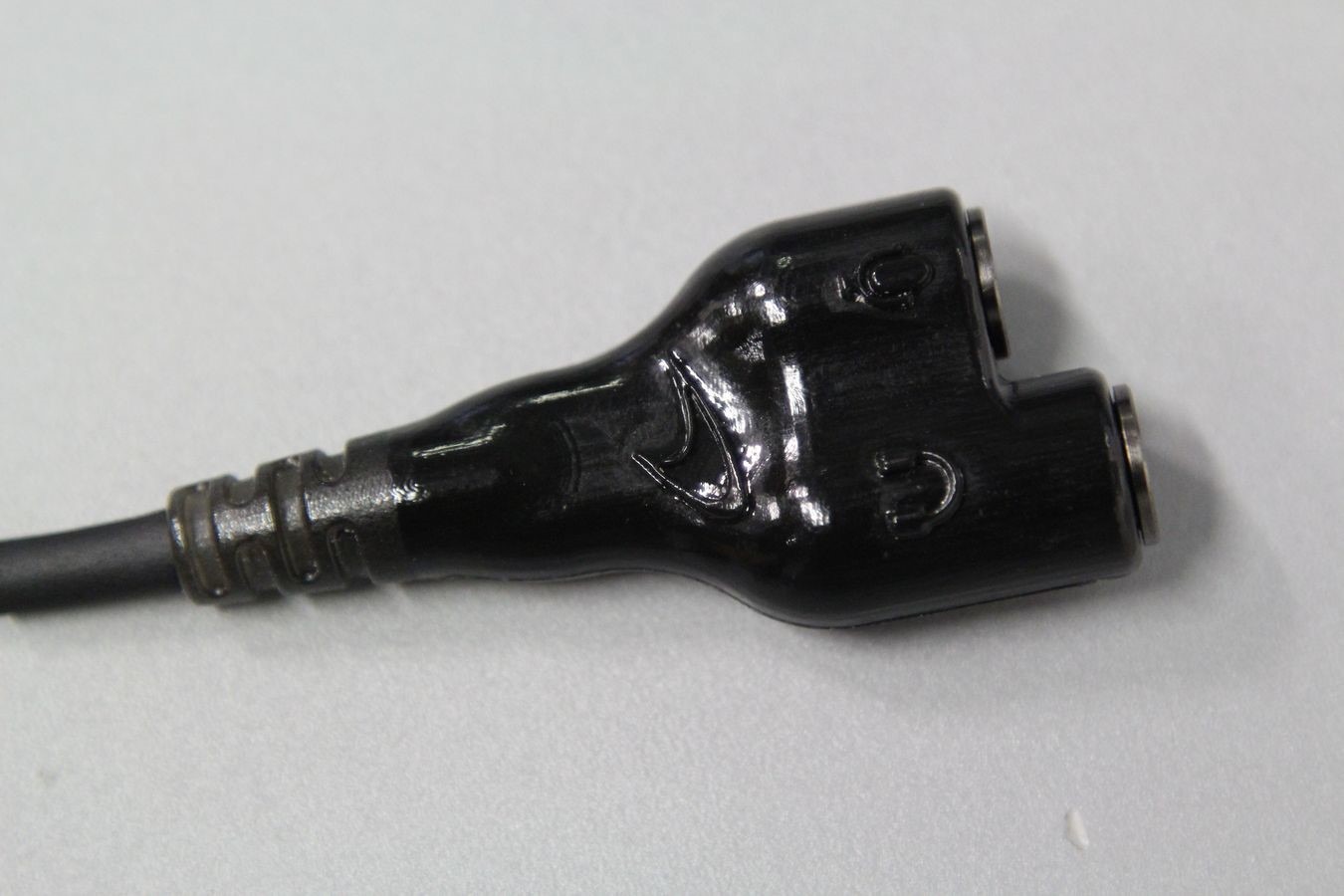
Similarly, a new two-way communication and data system was also included in the race car, but the cable was distracting to the driver. To eliminate this, McLaren took advantage of the Stratasys J750 3D printer’s ability to print flexible materials and produced a rubber-like material holder to bundle the communication system’s cable harnesses. Three design variations were created and 3D printed in a single day.
The McLaren racing car's radio cable harness.
The radio cable harness of the racing car. Image courtesy of McLaren.
The large wing endplate at the rear of the race car, which increases rear downforce, is made of carbon fiber reinforced composite, using a tooling produced on an FDM-based Fortus 900mc 3D printer. The team completed the 36.5-inch wide, high-temperature (177°C) ULTEM™ 1010 resin mold 3D printing in three days for use in the autoclaved composite structure, saving the team time during the critical, limited testing period. Neil Oatley, McLaren Racing's Director of Design and Development, said: "We are constantly modifying and refining our Formula 1 race car designs, so the ability to quickly test new design variations is essential to making the car lighter and, even more so, increasing the number of tangible variations aimed at higher performance. McLaren Formula 1 Team Uses Stratasys 3D Printers
Dissolvable 3D printed tools for temperature control of racing car brake components

“Being able to introduce new developments to the car a race earlier, while turning a new idea into a new part in just a few days, is a key factor in McLaren’s competitiveness. By increasingly incorporating Stratasys 3D printing technology into our manufacturing processes – whether it’s producing finished parts, composites or even consumables like tooling – we can reduce lead times while still producing more complex parts.” To speed up the design and manufacturing cycle, the race team will also be using the Stratasys uPrint SE Plus on-site during testing and racing, allowing the team to produce parts and tools on demand.
McLaren uses 3D printing for its Formula 1 cars
Image courtesy of McLaren.
To effectively control the temperature of brake components, McLaren is producing 3D printed soluble tools that are used to manufacture hollow composite brake cooling tubes. The washable core is 3D printed from soluble ST-130 material, developed specifically for this application. This is coated with a carbon fiber reinforced composite material and then autoclaved at high temperatures. The end result of the process is a tubular structure with an extremely smooth internal surface that ensures the necessary airflow to the brakes, while ensuring maximum aerodynamic and engine performance. Source: Stratasys; McLaren; theengineer.com; Autopro.hu. Images courtesy of McLaren and Stratasys. Learn more about the process, which has also been successfully used by McLaren Stratasys FDM 3D printersoh!