All-in-One prototyping with ToughONE PolyJet materials
Most of the time, in the prototyping process, compromises are made. If you need strength, you compromise surface quality. If you want accurate color, you compromise durability. If you want to speed things up, multiple machine setups and post-processing slow things down. Now there's a better solution.
PolyJet 3D printing – with voxel-level digital control – eliminates forced compromises. ToughONE PolyJet materials guarantee fine detail, Pantone-validated colors, and functional strength in a single print.
Instead of multiple machines, multiple materials, multiple settings, here's the all-in-one approach: – Need a prototype with rigid and rubbery parts? Let's print it all together! – Need transparent windows, colorful branding, and working hinges? It can be done – in one step.
ToughONE takes the next level: durable in real-world conditions. These high-toughness 3D printing materials provide superior impact resistance, flexibility, and high-resolution detail for prototypes. Whether it's form-fit, function, or durability testing, ToughONE performs like the real thing.
Smart inserts and printing on objects are features that open up even more possibilities. You can embed PCBs (printed circuit boards) or mechanical parts while printing, or print directly onto wood, fabric, or metal for hybrid solutions. Label each iteration directly onto the part, without any extra effort.
This is true, no-compromise functional prototyping – without the complexity and delay. Design faster, test smarter, and move to production with confidence with PolyJet + ToughONE!
Create better, stronger, more precise and more realistic prototypes with Tough PolyJet
Too often, product development teams are forced to make compromises when prototyping – either mechanical performance or realistic detail. With Tough PolyJet materials, you no longer have to choose: you can create prototypes that are both highly detailed and structurally functional.
Traditional prototyping materials often have the strength you need, but lose the visual and tactile realism. Or you end up creating beautiful pieces that you can’t handle or test in real-world conditions.
PolyJet technology has long been known for its full-color realism, fine detail, and multi-material printing. Now, with new, durable 3D printing materials, you get the durability you need to push the boundaries of your applications.
Meet ToughONE material: a new solution designed for functional prototyping that combines the best of both worlds. Now you can print thin walls, tight joints, soft-touch surfaces, and complex geometries – all in a single part. Whether you’re simulating rubbery grips, rigid casings, or clear lenses, ToughONE handles it all with confidence.
Want to prototype a drill handle, headset, or wearable? Print rigid and flexible parts in a single build. You can even test different Shore hardness levels – within the same build. This reduces time-consuming assembly and speeds up design iterations.
Tough PolyJet materials can handle the load. From snap-fits and threaded inserts to drop tests and real-world use, these materials allow you to prototype closer to the end-use product – with fewer iterations and faster time to market.
The result: better collaboration, faster feedback cycles, and greater confidence in every prototype you present. With ToughONE PolyJet materials, prototyping isn’t just faster – it’s smarter, stronger, and more realistic than ever before.
ToughONE™ – Stratasys’ new ultra-strong material takes PolyJet 3D printing to the next level
Stratasys PolyJet technology has been the benchmark for visual prototyping for years: lifelike colors, extremely fine details, and smooth surfaces – these are the things that make the technology ideal for demonstrating design concepts. However, industry professionals have long recognized a major limitation: the fragility of the materials meant that the prints were not suitable for functional testing or real-world applications. With the introduction of ToughONE™, Stratasys has opened up new dimensions. Announced in June, the new material represents a true breakthrough in PolyJet technology: it combines the perfect aesthetics of inkjet prints with the mechanical strength needed to produce functional prototypes and end-use parts. This could be the turning point where engineers and designers no longer have to choose between form and performance.
ToughONE™ takes PolyJet technology to the next level
The PolyJet process uses droplets of photopolymer resin to be deposited onto a build surface and cured layer by layer using UV light. The technology is known for its high precision and is ideal for creating models with color, texture and complex geometries. However, when it comes to high-load functional testing, other technologies are typically used – which in turn means increased turnaround time and costs. The introduction of ToughONE™ eliminates these compromises. It offers superior impact and abrasion resistance, as well as toughness, without sacrificing excellent surface quality, accuracy or dimensional stability. This allows aesthetic and functional prototypes, and even final products, to be produced on the same equipment.
ToughONE™ is exclusively compatible with the J8 Series: J850™ Prime, J850™ Pro and J826™ models. These systems offer high print volumes, support for Pantone® color matching, and advanced features such as Voxel Print™ and Smart Insert™ via GrabCAD Print Pro™ software. For existing J3 and J5 Series users, ToughONE™ is a compelling reason to upgrade, while for new entrants, it offers the opportunity to integrate their entire prototyping process on a single platform. This eliminates the need for multiple machines, reduces post-processing and manufacturing risks. Users can benefit from faster iteration, shorter development cycles and faster time to market – all with lower prototyping costs, fewer production delays and greater design confidence. Hinges, snap-in parts or mechanical covers can be produced in a single print. ToughONE™ and J8 systems are designed to drive smarter, faster and more efficient innovation.
ToughONE™ fits perfectly into the PolyJet multi-material manufacturing philosophy. Up to seven different resins can be combined in a single print, allowing prototypes with differentiated mechanical properties, flexible hinges and rigid structural elements to be created within a single part. This allows for the production of functional models that can withstand real-world mechanical loads. The range of applications is expanding: industrial design, electronics, medical technology, automotive, consumer goods and packaging – the versatility of ToughONE™ is evident in all areas.
The introduction of ToughONE™ is not just a new material in the Stratasys portfolio, but also a strategic step: the PolyJet platform is transformed from a visualization tool into a full-fledged product development solution that can cover all phases from idea to functional prototype to small series production. By reducing reliance on secondary technologies, Stratasys aims to provide its customers with faster, simpler, and more competitive innovation processes – through a platform that is powerful, versatile, and functionally sound.
Stratasys Expands PolyJet Technology with the Introduction of PolyJet ToughONE™
Stratasys expands PolyJet technology to include functional prototyping and end-use parts with the introduction of PolyJet ToughONE™.
The introduction of the new, tough and durable material maintains the core benefits of PolyJet technology, such as excellent surface quality and user-friendliness. With full color gamut and multi-material 3D printing capabilities, it reduces the number of design iterations, thereby reducing development costs and significantly accelerating time to market.
Stratasys has introduced PolyJet ToughONE™ White , a material high-end platforms. The new material retains the well-known benefits of PolyJet technology, including full color gamut, multi-material 3D printing, and ease of handling.
EV charger and conduit made from PolyJet ToughONE™ material
With the introduction of this new material, PolyJet printing has become the number one 3D printing solution that combines exceptional manufacturing precision with functional strength. Engineers and designers no longer have to choose between visual accuracy and functionality – they can now create prototypes and end-user parts without compromise.
PolyJet ToughONE material has increased impact resistance and flexibility, allowing for drilling, milling and self-tapping screws to be used in the shaping and assembly of 3D printed parts. This material is ideal for the production of functional prototypes in all market segments. It is excellent for the production of manufacturing aids, templates and assembly devices, using colors and markings specified in the digital model. It is also a perfect choice for the production of custom housings, brackets and cover plates in the consumer electronics industry, for the production of impact-resistant parts and grippers for industrial robotic arms. PolyJet ToughONE material can also be used in many other key industries, including automotive, consumer goods manufacturing and optical products.
Rich Garrity, senior vice president, Stratasys, said: “Manufacturers are constantly balancing speed, cost and performance when developing new products, and every unnecessary prototype iteration adds delay and cost. With ToughONE, we are offering engineers a material that enables faster transition from concept to functional testing, while ensuring maximum precision and performance.”
PolyJet ToughONE material also enables the creation of complex geometries, including thin walls, snap-fits and flexible hinges, while maintaining tight dimensional accuracy and excellent surface quality. It also has the added advantage of being able to be combined with other PolyJet materials to create hybrid models with different mechanical properties or colors in a single printed part.
Stratasys will showcase PolyJet ToughONE and its components at RAPID 2025 in Detroit on April 9, demonstrating how it is revolutionizing manufacturing processes and increasing productivity across industries. It will be available in Hungary from mid-June through Varinex, allowing partners to experience the benefits of the technology and its effectiveness in practice first-hand.
Want to learn how ToughONE PolyJet materials are revolutionizing prototyping?
Download our brochure and say goodbye to unnecessary compromises in product design and development!
About Varinex Zrt: VARINEX Zrt. is the market leader in domestic industrial 3D scanning and 3D printing, helping various industries increase the efficiency of their design and manufacturing processes with innovative solutions from Stratasys, Shining 3D, Ultimaker and Xact Metal.
The company also has outstanding expertise in 3D metal printing, which enables the rapid and precise production of complex metal parts, minimizing waste and production time.
VARINEX's 3D scanning and 3D printing services help engineering, medical, automotive and other industries create unique, high-quality parts and prototypes while utilizing state-of-the-art technologies for precision and reliability.
VARINEX Zrt. not only distributes global brands such as Stratasys, Shining 3D, Ultimaker and Xact Metal in the field of additive manufacturing, but has also been producing thousands of parts per day in its 3D Digital Factory for 25 years on its own, unique machine park in Central Europe. The company also demonstrates its expertise in Hungarian and international research and development projects, and in the field of education it closely cooperates with most renowned Hungarian universities.
New, fast and high-capacity dental 3D printer - the Stratasys DentaJet XL has arrived!
Stratasys has introduced its DentaJet™ XL dental 3D printer. The new machine is designed for larger dental practices clear orthodontic arch models, crowns, bridges, implants and surgical guides.
The new high-speed DentaJet™ XL 3D printer is the latest addition to the Stratasys DentaJet series. With larger material cartridges, a large build tray, Super High-Speed mode, and minimal post-processing workflow, it further improves dental lab productivity and reduces costs.
“The Stratasys DentaJet XL is designed specifically for digital dentistry practices that need to produce high-volume models – without sacrificing quality. The new equipment helps them overcome the challenges of a skills shortage while meeting growing market demands,” said Ronen Lebi, vice president, Stratasys Dental. “This is the most efficient manufacturing solution we have ever developed, designed to simultaneously produce high-precision crown and bridge, implant and orthodontic models, and surgical guides.”
The new PolyJet™ 3D printer, capable of printing multiple materials simultaneously, is designed to operate with minimal human intervention. With advanced software-based print preparation and print management features, as well as unattended printing and curing, labs can reduce labor costs by up to 90%. The introduction of new printing modes and larger material cartridges results in up to 67% lower cost per part.
The Stratasys DentaJet XL 3D printer integrates with new, validated, fast and high-throughput post-processing workflows for support material removal. It enables simultaneous printing of two substrates, while improving lab productivity and reducing costs, making it an excellent solution for practices producing higher volumes of dental models.
"The DentaJet XL 3D printer has significantly improved our digital workflow. Thanks to the large print bed, almost four times larger material cartridges, and the ability to change materials during operation, we have already achieved significant material and labor savings.".
"Printing jobs are now extremely quick and easy thanks to the automatic part nesting features. In addition, the closed material system provides a healthier workplace for our team."
James Dobson
Vice President of Digital Manufacturing at Dobson Ortho Laboratories, who was among the first to use the new equipment
"The new Super High-Speed Mode has allowed us to significantly increase the production of clear aligners by nearly 50%, without the need for additional labor, and at a much lower cost per part.".
In addition, we save a lot of time and labor in the final stages of production by integrating DentaJet XL into the automatic abutment removal workflow. It's almost like adding a virtual lab technician!
Professor Armando Razionale
Airnivol employee, one of the first to introduce the solution in Europe
The first DentaJet XL customers achieved the following production results
Print up to 16 implant sets (surgical templates and models) in 6 hours and 30 minutes
Print up to 102 crown and bridge models in 4 hours 31 minutes
Print up to 28 orthodontic models in 6 hours 37 minutes
Print up to 36 orthodontic arch models in 2 hours 14 minutes
Remarkable features of the new DentaJet XL
4 kg material cartridges to reduce costs and material change frequency
Significantly shorter print preparation time and integrated fleet management with intuitive GrabCAD Print software
Up to 30 percent faster production of clear orthodontic arches in Super High-Speed mode
Printing two materials at the same time, increasing efficiency
3D printing of dental models with 90% less labor and up to 67% lower cost per part!
Learn more about the efficient and accurate Stratasys DentaJet XL dental 3D printer!
Stratasys is a leader in the global shift to additive manufacturing, delivering innovative 3D printing solutions to industries including aerospace, automotive, consumer products and healthcare. With intelligent and connected 3D printers, high-quality polymer materials, a comprehensive software ecosystem and on-demand parts, Stratasys solutions deliver competitive advantages across every stage of the product lifecycle. Leading organizations around the world turn to Stratasys to transform product design, accelerate manufacturing and supply chain agility, and improve patient care
Stratasys, DentaJet, PolyJet and GrabCAD Print are trademarks or registered trademarks of Stratasys Ltd. and/or its subsidiaries.
Evolve AI - 3D printed shoe that studies its user and evolves over time
The “Evolve AI” shoe is a new biometric evolutionary shoe 3D printed using Stratasys 3DFashion™ technology. The shoe features a custom “Evolve Sensor” midsole that studies the wearer, recording movement data (foot pronation, temperature, pressure and friction, etc.). The information collected by the sensor will be used to create the next generation of the shoe, which will be designed with improved design features based on performance.
The design utilized an almost infinite combination of different density levels and different materials to provide unparalleled softness and support.
The design is based on a 3D scan of the user's foot and biometric data from pressure sensors
The project proposes to produce hybrid footwear that adapts to the user's gait, ergonomics and foot weight distribution using 3D scanning and embedded biometric sensors. Biometric sensors were embedded in the first generation of shoes to collect and analyze data from each user using machine learning to improve the next generation of shoes.
The pressure-sensing electronics were 3D printed by Profactor and Stratasys in Austria. To ensure the best fit for the uppers, a strategy was developed that combined personal ergonomic data from 3D scanning with traditional shoe manufacturing.
Innovations for personalization
Stratasys ’ PolyJet technology R&D team, the designers took a new CMF approach using a variety of materials, colors and densities, liquid gels and rubber fabrics. Based on data from pressure, temperature and humidity sensors embedded in the midsole and upper, they are able to automatically create the optimal combination of soft gel particles, fabrics and customized support structures that surround the user’s foot to achieve the best possible fit, cushioning, heel support and upper ventilation.
Design and 3D modeling: Assa Ashuach, Assa Studio Limited, London. The project was created in collaboration with Stratasys.
Evolve 3D printed loaf (Photo: Alexander Kent)
Evolve 3D printed loaf (Photo: Alexander Kent)
Evolve 3D printed loaf (Photo: Alexander Kent)
This episode of the documentary series “Europe by Design,” which explores the backstories of top European designs, introduces the Evolve AI shoe, which studies its wearer and evolves over time.
The report can be viewed at the beginning of the video, at 1:05.
PolyJet technology offers a wide range of capabilities from prototyping to production, including 3D printing of complex geometries, intricate details, full color combinations, transparent and flexible parts – all in a single model.
Discover the unique capabilities of Stratasys PolyJet 3D printers!
Stratasys-Siemens Healthineers Collaboration to Advance Medical Imaging
Stratasys announced a partnership with Siemens Healthineers to deliver a landmark research project to develop new, cutting-edge solutions for medical imaging phantoms used for computed tomography (CT).
CT scanners are essential medical imaging tools and are a near-universal fixture in hospitals worldwide. CT phantoms are specialized devices used to evaluate and ensure the performance of CT scanners. Designed to simulate specific features of the human body, phantoms allow for the evaluation of various fundamental metrics, including radiation dose and image quality, aiding calibration and ensuring consistent scanner performance. The joint development Stratasys’ PolyJet™ technology and unique RadioMatrix™ material with Siemens Healthineers’ advanced algorithm to transform scanned patient images into specific material properties based on the radiological properties of the human anatomy. The solution enables customized phantom fabrication and the creation of ultra-realistic human anatomical features with full radiological accuracy of patient-specific pathology, which was previously not possible.
A joint project between Stratasys and Siemens Healthineers enables the creation of ultra-realistic 3D printed phantoms with full radiographic accuracy of human anatomy.
This joint project will transform the way phantoms are used in medicine and, in some cases, will allow device manufacturers and scientific institutions to replace human cadavers with 3D printed models. This solution will enable extreme efficiency and minimize unavoidable human variation. The work will also generate important research data that will provide key insights for improving CT system algorithms, driving material development and exploring potential new application areas, as well as identifying future research opportunities.
"The current limitations of imaging phantoms have long been a challenge for the radiology community. Working with Siemens Healthineers allows us to jointly explore the enormous potential of our radiopaque materials and 3D printing technologies to overcome these obstacles."
The research begins with the production of 3D printed phantoms of smaller-scale anatomies of the head and neck region, and then gradually aims to produce larger and more complex anatomies – until the end point of the first phase, the 3D printing of a heart model and an entire human torso, with full X-ray accuracy.
"The knowledge gained from the project represents a breakthrough in medical imaging, opening up new uses for 3D printing and imaging. We are excited about the opportunities that arise from this collaboration and believe that they will have a long-term impact on medical and scientific applications."
Lampros Theodorakis
Siemens Healthineers, Head of Computed Tomography Product and Clinical Marketing
Are you interested in Stratasys technology for medical applications?
Study proves that additive manufacturing saves resources and reduces emissions in the fashion industry
AMGTA Lifecycle Research report highlights the collaboration between Stratasys and Dyloan Bond Factory, part of the Pattern Group, to compare additive manufacturing to traditional manufacturing processes. The study found that Stratasys’ PolyJet™ process can reduce CO2e emissions by 24.8% compared to injection molding and achieve 48% inventory savings across the supply chain.
Stratasys has shared the results of a study commissioned by the Additive Manufacturer Green Trade Association (AMGTA) that demonstrates the environmental benefits of additive manufacturing for the fashion industry.
The report, “Comparative Analysis: 3D Material Jetting vs Traditional Methods for Designer Luxury Goods,” presents the results of a year-long collaboration between AMGTA, Stratasys, and DYLOAN Bond Factory, a member of the Pattern Group, the leading Italian center for luxury fashion design and manufacturing. The English summary is available at https://www.stratasys.com/en/about-us/sustainability/.
The use case study examined the transition from traditional manufacturing methods to advanced additive manufacturing: the goal was to create 16,000 logo appliqués for 8,000 pairs of luxury designer shoes, printed on fabric, produced using the innovative Stratasys J850™ Fashion TechStyle™ printer.
The results of the study revealed the following: Additive Manufacturing (AM) with Print-to-textile technology reduces CO2e emissions by 24.8% compared to the customer’s traditional processes. Considering the customer’s production volume (16,000 printed logos for 8,000 pairs of shoes), additive manufacturing can save almost one ton of CO2e. AM Print-to-textile technology can save 49.9% of inventory across the entire supply chain, reducing and streamlining transportation needs. Direct-to-textile printing with the J850™ TechStyle™ 3D printer is a water-free process across the entire measured supply chain, saving over 300,000 liters of water. Additive manufacturing reduces electricity consumption by over 64%. The transition to additive manufacturing reduces supply chain dependency from 4 technologies to 1: with a single additive workflow, transportation and logistics are eliminated for 3 processes. The transition to additive manufacturing simplifies production and logistics “stages” from 12 to 2.
The research was conducted by Reeves Insight and reviewed by experts from the ACAM Aachen Center for Additive Manufacturing GmbH.
“Sustainable production is becoming increasingly important for designers in the luxury world, and this is particularly important for Pattern Group’s Dyloan Bond Factory,” said Loreto Di Rienzo, Director of Research and Development at Pattern Group. “Stratasys’ innovation in 3D printing, particularly with TechStyle™ technology, allows us to offer revolutionary solutions by reducing waste, minimizing our dependence on natural resources, and optimizing the environmental impact of our entire supply chain.”
"As revealed in the report 'Comparative Analysis: 3D Material Jetting vs Traditional Methods for Designer Luxury Goods', a collaboration between Stratasys and Dyloan Bond Factory, we can confirm and demonstrate that additive technology truly improves environmental impact while expanding design freedom without compromising the quality of the final result."
Loreto Di Rienzo
Director of Research and Development at Pattern Group
Sherri Monroe, Executive Director of AMGTA, said: “We are pleased to release the third research paper in a series of papers designed to explore the environmental benefits of implementing additive manufacturing. We are committed to creating research and publications that help us better understand the sustainability value of AM technologies in manufacturing processes. The Stratasys-Dyloan Bond Factory Fashion LifeCycle Analysis (LCA), which analyzes the impact of print-to-textile technology, is our first polymer study. It provides important data that supports the value of AM in influencing one of the world’s most polluting industries.”
This report demonstrates Stratasys’ commitment to Mindful Manufacturing™, an approach that advocates for sustainability, efficiency, and innovation to 3D Print a Better Tomorrow™. Environmental considerations are paramount and can have a real impact on business outcomes. Together with its customers, Stratasys is rethinking how things are made; redesigning processes, products, and components; and optimizing operations for the benefit of people and the planet.
"Our Mindful Manufacturing™ approach is our commitment to our customers. By embracing sustainable practices and innovative AM technologies, we work to reduce the global ecological footprint – our own and that of our users. This paper demonstrates how the introduction of our advanced AM offering enables our customers to deliver manufacturing solutions that improve environmental impact while giving them a competitive advantage through innovation in design-driven manufacturing."
Dr. Yoav Zeif
CEO of Stratasys
Stratasys invites its customers, partners, and those interested in 3D Printing for a Better Tomorrow™ to join the company on its journey towards more sustainable manufacturing. For more information about Stratasys and its commitment to Mindful Manufacturing™, visit https://www.stratasys.com/en/about-us/sustainability/
Breitling showcases watches with 3D printed cushions using Stratasys technology at Milan Design Week
Of Stratasys' five additive manufacturing technologies, FDM technology is the best known and most widely used in the world. In addition to FDM technology, which can be used to produce strong, carbon fiber, massive industrial parts, stereolithography, SAF and P3 technologies all support industry, primarily manufacturing, and have become its indispensable manufacturing technology.
Industry, design and engineering are increasingly interconnected in the field of luxury goods. This is why Stratasys 3D printing with color PolyJet technology has found its place in the world of designers and fashion. Understandably, this color technology has become a favorite of fashion designers and designers, with which it is now possible to 3D print directly onto textiles. In addition to luxury goods, the automotive industry is also actively using this technology to serve unique, customized customer needs.
Sustainability is also becoming increasingly important in industry. In the textile industry, Atelier des Refusés, famous for its decorative pillows, has launched a new collection called “Biodiversity” in collaboration with Stratasys. The new collection was inspired by the uniqueness of mushrooms. Mushrooms play an extremely important role in terrestrial ecosystems and regeneration processes. The collection aims to draw attention to this.
Zehavit Reisin, Stratasys Senior Vice President
The two companies share a commitment to sustainability. Atelier des Refusés, named after the historic Salon des Refusés in Paris, creates unique throw pillows using quality fabrics and its new collection aims to raise awareness of sustainability and minimize waste during production. Stratasys’ 3D printing technology ensures a sustainable, exclusive and high-quality product with no manufacturing waste.
“For us at AdR, the concept of uniqueness is key, as we have moved away from mass production and quantities to prioritize craftsmanship and limited production,” the company reports.
“Our encounter with Stratasys, the world leader in 3D printing, was love at first sight: it is a cutting-edge company that allows us to add extra special touches to our pillows, and this is in line with some of our core values, such as uniqueness and zero waste,” reports Atelier des Refusés.
The velvet fabrics for the Biodiversity 3D printed cushion collection are supplied by C&C Milano and Christian Fischbacher. Atelier des Refusés works with textile companies to recycle “waste” materials or pieces of fabric that are too small for commercial use, thus promoting a circular economy approach.
The Biodiversity collection is a collaboration between Swiss watchmaker Breitling and Milan Design Week. The cushions can be purchased on the Atelier des Refusés website.
How is it possible to 3D print directly onto textiles? Discover the Stratasys J850 Fabrix Kit! Similar 3D printed designs to the Biodiversity collection will be on display at the Budapest Industry Fair, taking place between May 16-19, 2023.
You can also see it at the exhibition today, along with other Stratasys industrial technologies! We look forward to seeing you at the joint VARINEX and Stratasys booth (Pavilion 207C)!
Stratasys-Ricoh USA agreement for on-demand printable medical models
Collaboration helps bring more 3D printed anatomical models to hospitals and clinics
The new partnership will allow customers to upload medical files to a secure cloud-based service, where Axial3D’s AI-powered software will automatically convert medical scans into 3D printable files. The files are then produced on Stratasys 3D printers at Ricoh’s ISO 13485-certified facility, with the models shipped directly to the provider. The new solution allows a process that would normally take weeks to complete in days, without the need for on-site 3D printing equipment or additive manufacturing expertise.
3D printed anatomical models are realistic, concrete representations of a patient’s pathology, enabling practitioners to plan and practice complex surgeries and improving communication between healthcare professionals, patients and their families. Stratasys Digital Anatomy™ technology even enables these models to be biomechanically realistic, with the feel and responsiveness of real bones and tissues.
3D printed anatomical models allow healthcare professionals to practice and plan surgeries.
There is a growing demand for personalized solutions
The new solution provides clinicians and patients with greater access to patient-specific 3D printed models for preoperative surgical planning, diagnostic applications, and surgical education. The models allow clinicians to demonstrate treatment decisions to patients and surgical staff. Surgical planning with patient-specific 3D models can improve clinical outcomes and lead to significant savings through improved productivity.
"With the advancement of imaging techniques and 3D printing, we are seeing an increasing demand for personalized solutions. We offer a simplified and scalable, comprehensive solution that increases access to patient-specific 3D printed models in a fraction of the time, helping to deliver highly personalized treatment and care."
Ben Klein
General Manager, Patient-Specific Solutions, Stratasys
The partnership builds on the two companies’ proven track record of success, combining Ricoh’s quality control processes, manufacturing expertise and healthcare experience with Stratasys’ advanced 3D printing technology.
We enable healthcare providers to access cutting-edge, precision additive manufacturing without the overhead. This solution democratizes, broadens access to patient-specific 3D printed models that can improve outcomes and patient experience, while also supporting physician education and training.
Gary Turner
Managing Director of Additive Manufacturing at Ricoh USA
Learn about the Stratasys J850 Digital Anatomy 3D printer, designed specifically for medical use! Download our 8-page brochure!
Press Release: Stratasys Introduces New Multi-Material 3D Printer for Small Dental Labs
The Stratasys J3 DentaJet increases lab productivity in a small footprint for implantology, crown and bridge construction, and orthodontic applications. The new 3D printer will be demonstrated live at the IDS exhibition in Cologne, Germany, from March 14-18.
Stratasys Ltd., a leader in polymer 3D printing, has introduced the J3™ DentaJet® 3D printer. The entry-level, multi-material printer enables dental labs to simultaneously produce highly accurate models for multiple applications on a single print bed.
The J3 DentaJet will make its European premiere at the IDS International Trade Fair in Cologne, Germany, from March 14-18, 2023. The new printer will be showcased alongside Stratasys’ leading dental solutions, the J5™ DentaJet ® and Origin ® One Dental
“This dental 3D printer is a great benefit for smaller labs that have previously only had small, single-material desktop 3D printers and are ready to take their dental production to the next level and offer higher-quality digital dental products,” said Ronen Lebi, vice president, Stratasys Dental. “The J3 DentaJet 3D printer helps labs meet the growing demand for the highest quality, most accurate dental models and devices.”
The Stratasys J3 DentaJet 3D printer will be showcased as part of the company’s leading dental solutions at IDS in Cologne.
The J3 DentaJet 3D printer uses clear, rigid and flexible biocompatible resins and can produce crown and bridge models, implantology (models, surgical templates and gingival masks) and orthodontic models in a variety of materials, all in a single print job. The large, circular build plate and High-Speed mode can help labs increase throughput and streamline workflows. Stratasys’ patented PolyJet™ technology solidifies parts during the printing process, minimizing post-processing. As a result, lab staff no longer have to handle uncured resin, improving workplace safety.
“We believe PolyJet is the best technology available for printing surgical guides, especially for applications requiring complex geometry, such as stackable guides. Other technologies simply cannot achieve the same level of precision and accuracy,” said Ilan Sapir, Head of Digital Treatment Planning at Glidewell Dental. “The J3 DentaJet has allowed us to access the most advanced printing technology in a small footprint yet with significant printing capacity.”
The J3 DentaJet joins Stratasys’ line of dental 3D printers, all of which can be controlled and monitored through GrabCAD Print™, Stratasys’ intuitive software to streamline print preparation workflows. Stratasys is now accepting orders for the new 3D printer, which is expected to be available in March.
Take advantage of the intelligent digital workflow of Stratasys DentaJet 3D printers! Increase throughput and produce higher quality dental models with multi-material, unattended 3D printers that require minimal post-processing.
Download our 8-page brochure in English!
Stratasys is at the forefront of the global shift to additive manufacturing, delivering innovative 3D printing solutions to industries including aerospace, automotive, consumer products and healthcare. Through smart and connected 3D printers, polymer materials, a software ecosystem and on-demand parts manufacturing, Stratasys solutions provide competitive advantages across every stage of the product value chain. The world’s leading organizations turn to Stratasys to transform product design, accelerate manufacturing and supply chain agility, and improve patient care.
Stratasys, Dentajet, J3, J5, PolyJet, GrabCAD, GrabCAD Print, Origin and Origin One are trademarks or registered trademarks of Stratasys Ltd. and/or its subsidiaries. All other trademarks are the sole property of their respective owners, and Stratasys assumes no responsibility in connection with the selection, performance or use of these non-Stratasys products.
Amazing realism with Stratasys' new opaque PolyJet materials
Stratasys is once again raising the bar in full-color, multi-material 3D printing. The new opaque, non-transparent and light-absorbing materials in PolyJet™ 3D printers deliver breathtaking realism and graphic sharpness that you have to see and touch to believe.
The introduction of the new VeroUltra™ White and VeroUltra™ Black substrates enables incredible realism for a wide range of prototyping projects. These substrates allow for opaque, high-quality parts even when 3D printing very thin plastic parts. Text and labels on bottles and packaging will be sharp enough to meet 2D graphics specifications. Color contrast is improved where high color separation is expected. Finally, these new substrates provide incredible fidelity for simulating natural materials such as wood, fabric, and marble.
Pictured: New opaque colors extend realism to prototyping applications such as bottle labels, and when combined with VeroUltraClear, glass-like transparency is achieved.
“PolyJet 3D printing continues to be the industry-leading modeling solution for designers, as we continue to evolve,” said Shamir Shoham, vice president of Stratasys Design. “What seemed unimaginably realistic last year has become even better this year.” As they’ve learned, accurately mapping color, material, and finish—collectively known as “CMF”—is a very expensive and time-consuming part of the design process. Over the past few years, Stratasys’ PolyJet™ solutions have significantly challenged this notion for designers. The company introduced PANTONE® Validated Colors to ensure that printed colors match what you see on screen. And with materials like VeroUltra Clear, properties like glass-like transparency and flexibility have become available. Software formats like 3MF have simplified the workflow, so high-fidelity modeling is now almost a click-and-print.
Excellent color quality
New opaque colors extend realism to prototyping applications such as bottle labels, mobile devices, backlit screens and panels, and dolls, and designers are taking advantage of this.
“The color quality is excellent,” said Dennis Harroun, an American component designer. His company, Mana Digital Albuquerque, develops 3D printed models for toys, jewelry, and film applications, and is also involved in beta testing new Stratasys materials and 3D printers. “The quality provided by Stratasys materials is by far the best I have encountered, and it would be extremely difficult to replicate this quality with any other modeling method.”
Pictured: American designer Dennis Harroun's work Gravity Girl demonstrates Stratasys' advanced color printing capabilities.
The new opaque materials are available for the J8 Series™ and J7 Series™ 3D printers, and the J55™ 3D printers . If you are interested in the material, please contact our colleague!
Stratasys' new product: J5 DentaJet dental 3D printer
Stratasys Introduces J5 DentaJet Dental 3D Printer Designed to Address Growing Demand for Dental Solutions
Stratasys has introduced a new device for dental and dental labs that combines the efficiency of 3D printing with the realism and precision of PolyJet technology. The J5 DentaJet™ is the only multi-material dental 3D printer, allowing dental technicians to create multiple, diverse dental models on a single build tray. The new device can produce at least five times more dental models on a single build tray than competitive 3D printers, yet has a small footprint of just 0.43 square meters.
The new system, supported by biocompatible materials, could dramatically increase the efficiency of 3D model printing for dental laboratories.
Stratasys' latest 3D printer maximizes productivity for the dental market, all in a small footprint
Dental laboratories need to produce multiple models in multiple materials, whether it’s a removable partial denture or a dental implant. For example, each implant includes an upper and lower rigid, opaque model, a soft gingival mask, and a biocompatible surgical drill guide. This requires three different materials, forcing technicians to either use multiple 3D printers or run separate prints for each material. The J5 DentaJet can easily handle up to 5 materials, including the support material.
The colorful, multi-material J5 DentaJet can also produce lifelike, 3D printed communication models, which previously could only be achieved with time-consuming wax models. With the new equipment, however, designs can be digitally produced in just a few hours. Due to the high resolution of PolyJet materials, dentists can implant crowns and bridges in minutes thanks to the accuracy of the models – which is 18.75 microns, half the thickness of a human hair.
The J5 Dentajet dental 3D printer requires little space, is easy to use, and is office-friendly.
Accurate dental models, quickly, with little rework
“3D printing is becoming increasingly popular for dental and orthodontic models, but the process is still too manual and time-consuming,” said Osnat Philipp, vice president of Healthcare at Stratasys. The J5 DentaJet advances the full digital transformation of dental models by combining precision with automation. The system operates largely unattended and can print multiple models of different types and materials on a single print bed. It is a highly productive machine.”
NEO Lab is a family-owned orthodontic business in Andover, Massachusetts. The company has been beta-testing the J5 DentaJet to help its 120 employees, who serve 3,000 orthodontic and dental clinics across the country. CEO and co-owner Christian Saurman says they started using the system to achieve better surface quality, which has also helped them manage a large volume of parts. “We produce 600 orthodontic appliances a day,” Saurman said. “The DentaJet 3D printer is easy to use, can produce multiple models in a single print, and we don’t need to do any post-processing after we take them out of the machine. Our models are going from the printer to the user faster than ever before.”
The new J5 DentaJet 3D printer can produce at least five times more dental models in a mixed tray than competing 3D printers
Motor City Lab Works, a dental practice in Birmingham, Michigan, has also been beta-testing the J5 DentaJet. Dr. John Dumas, an orthodontist and CEO of the company, is very pleased with the 3D printer’s accuracy and the high volume it can produce. “As orthodontists, we need accurate models to ensure the best fit for our patients. We need a 3D printer that combines the larger tray size needed for high-volume production with high-resolution model production. The J5 DentaJet gives us both.”
A 3D printer tailored to the needs of the dental market
Stratasys estimates that the total market for dental and dental technology 3D printing is approximately $1 billion. With an ever-increasing range of 3D printing technologies, from polymerization to stereolithography, Stratasys can be a complete 3D printing service provider for its customers, matching the right technology to the right application.
The J5 DentaJet is ideal for customers who need to produce large volumes of realistic, highly accurate models.
With the J5 DentaJet, multiple dental models made of different materials can be produced simultaneously on one printing tray.
The J5 DentaJet is available with a range of substrates tailored to the needs of the dental market. Available biocompatible materials include a transparent substrate, VeroGlaze, a white material suitable for temporary placement in the mouth, as well as a transparent and flexible substrate. In addition, a digital substrate called Separator automatically coats the models to make it much easier to separate the acrylic device from the model and remove wax and residue. The following substrates are also available: VeroDent PureWhite, and CMY substrate for color printing.
The J5 DentaJet 3D printer is now available, learn more about it HERE!
Volkswagen invests in two Stratasys J850 3D printers to advance automotive design
World's first full-color 3D printer helps Volkswagen further develop new vehicle designs
Volkswagen, one of the largest and most iconic automotive players, has invested in the world's first full-color, multi-material Stratasys 3D printing technology to further advance its prototyping and open up new possibilities in automotive design.
Volkswagen has 25 years of experience in 3D printing to innovate vehicle design and manufacturing. This investment will enable the creation of multi-material prototypes that mirror final production parts with up to 99% accuracy. This level of realism allows the team to better test and improve part designs, all while meeting Volkswagen’s stringent quality requirements.
Volkswagen Tiguan R-Line (Image Source: Volkswagen AG). With a Stratasys J850 3D printer, the Volkswagen Pre-Series-Center can print ultra-realistic prototypes for vehicle interiors
The Stratasys J850 3D printer can produce full-color prototypes in up to seven different materials, with the ability to vary stiffness, flexibility and transparency – even in a single print. This saves Volkswagen significant time and costs compared to traditional multi-step design processes such as assembly and painting of parts.
The Volkswagen Pre-Series-Center team uses 3D printing to create surfaces with different textures for the vehicle interiors – from fabric to leather to wood. The use of the latest transparent material VeroUltraClear makes it possible to reproduce the clarity of glass. Simulating vehicles with realistic models gives designers creative freedom, as new designs can be tested and perfected quickly and cost-effectively.
Volkswagen Tiguan R-Line (Image Source: Volkswagen AG). Using the latest VeroUltraClear material, Volkswagen can simulate the clarity of glass
Peter Bartels, Head of the Volkswagen Pre-Series-Center, says: “Innovation is at the heart of everything we do at Volkswagen, to develop vehicles that inspire and make our customers proud owners. To achieve this, it is essential that our design teams use the latest cutting-edge technologies. We encourage them to unleash their creativity and raise the bar in automotive design. Our Stratasys J850 3D printers have been received with great enthusiasm by our engineers, as they can now more easily optimize their design processes in their work.”
Andreas Langfeld, President of Stratasys EMEA, added: “Volkswagen is a long-standing customer who has always appreciated the potential of PolyJet 3D printing and has pushed the boundaries of the technology to innovate the design process. The J850 is our most advanced system yet, giving companies a competitive edge and taking their design capabilities to the next level. We are excited to see what creative applications the Volkswagen team will develop with this technology.”
Learn more about the Stratasys J850 3D printer used by Volkswagen HERE!
Simplifying automotive manufacturing processes with additive manufacturing
Quality and manufacturing performance are key issues in automotive production today. With the emergence of many new technologies, such as autonomous vehicles and smart cars, there is great pressure on manufacturers and suppliers to rely on new manufacturing technologies and expertise to ensure efficient design, cost management and work. Our article discusses the advantages of 3D printing automotive fixtures and seats over traditional manufacturing methods, as well as its ideal application on production lines.
Advantages of additive manufacturing of clamping devices and seats
Manufacturers traditionally work with CNC-machined or injection-molded fixtures and seats, which are time-consuming and labor-intensive to manufacture, and their return on investment is not guaranteed. Additive manufacturing allows new parts to be produced in a shorter time from engineering-grade materials without CNC machining, thus achieving significant cost savings during the production of the devices.
3D printing of fixtures and seats offers the following main advantages:
Fast time to market: 3D printing allows you to produce fixtures and seats faster and on-demand. Lead times are 70-90% faster than traditional manufacturing.
Design freedom: 3D printing builds parts from the ground up, layer by layer, which removes the traditional limitations of manufacturing-oriented design and opens up a host of new possibilities for tool configuration. When engineers design for additive manufacturing, holes, contours, and complex organic structures are no longer obstacles.
Consolidation of components: thanks to the design freedom inherent in additive manufacturing, assistive devices that previously consisted of components that required their own assembly time can be re-manufactured to be made from a single component, thus reducing maintenance costs.
Ergonomics: Designing components along new guidelines also allows you to increase worker comfort and the ergonomics of the aids you produce. When designing, you can prioritize functionality over manufacturability. This does not add additional costs or increase production time, but it does increase the safety and comfort of employees using the aids.
Weight reduction: Another benefit that increases the comfort and safety of employees working on the production line is the reduction in the weight of auxiliary equipment. 3D printing allows the use of strong, high-quality materials, while maintaining the functionality of the parts compared to metal versions.
Digital inventory: 3D printers work directly from CAD data, so new designs can be created quickly and existing ones can be modified easily. For example, if the final part size changes and a new fixture is needed, all you have to do is update the CAD model that represents the fixture, order the additively manufactured part, and the new fixture can be on the production line within a few days.
Additive Manufacturing on the Automotive Production Line Although the terms “clamps” and “stakes” are often used interchangeably, there are clear differences between them and their applications are diverse. Clamps are custom-made devices that control and monitor the position and movement of a part during an operation. They ensure repeatability and accuracy in the manufacturing of products. In contrast, seats are devices that hold a part in a fixed position during a machining operation or other industrial process. Seats ensure consistent quality, reduce production costs, and enable different parts to be manufactured to their respective specifications.
From assembly to quality assurance to logistics, “clamps and seats” make the automotive component manufacturing process seamless. Here are some examples of 3D printing applications for clamps and seats in the automotive industry:
Manufacturing and assembly: 3D printed tools are most often used in this step of the manufacturing process to guide and maintain the position of tools and rails while milling and drilling parts.
Safety: It is often left to the workers to check the safety of parts and equipment, so it is important that the clamping devices and seats are lightweight and ergonomic for ease of use.
Quality Assurance and Inspection: 3D printing can be used to create precise, customized tools that meet the stringent requirements of quality assurance departments for fixture and inspection tools. The thermoplastic, durable plastics developed for additive manufacturing can provide a non-marring surface for final inspection.
Packaging and logistics: the most common application area we encounter is the production of customized clamping devices to facilitate transportation within the factory. Additive manufacturing thermoplastics are durable and heat-resistant and can withstand the stresses encountered during transportation, such as vibrations, pressure and moisture.
The automotive industry is experiencing exciting and disruptive times. Manufacturers that are able to innovate beyond vehicle design and are ready to transform all aspects of the design and manufacturing process will gain a competitive advantage. Fixtures and seats created through additive manufacturing play a key role in this process, making work more efficient, helping to eliminate errors, and shortening turnaround times for inspections.
3D printing has been indispensable for years in the automotive prototype development process and in the production of unique or customized parts.
3D printing and a profit-oriented approach from our experts!
VARINEX Zrt.'s 3D printing business has more than 25 years of experience in the field of 3D printing services, i.e. contract printing. Our engineering colleagues, who use FDM and PolyJet technologies on a daily basis, are able to fulfill customer orders at the highest level. The experience gained from the contract printing of tens of thousands of various parts per year ensures the right choice between FDM and PolyJet technology in the given application area.
Before starting a project, contact our expert engineering colleagues 3dp@varinex.hu !
Hand in hand: additive manufacturing and the digital process
Manufacturers are constantly looking for new ways to optimize their design tasks and become simpler, more flexible and more agile to keep up with customer customization demands. This includes investing in manufacturing tools and machinery that are designed to meet the needs of the companies and contribute to achieving broader strategic goals.
Forward-thinking manufacturers are preparing for this trend in advance and opening up to emerging technologies – one of the most important customization opportunities is combining additive manufacturing and the digital process.
Additive manufacturing, also known as 3D printing, is the process of building physical objects layer by layer. Creating new parts and products has traditionally been a time-consuming and expensive process, requiring the reconfiguration of manufacturing systems (production and assembly lines). The cost associated with setup and changeover time is a financial disadvantage, especially for unique products. This cannot happen in today’s fast-paced world of customized products – additive manufacturing offers a solution to this problem.
Among the most common additive manufacturing technologies , FDM and PolyJet manufacturing technology are suitable for the rapid and cost-effective production of parts and prototypes. PolyJet technology is known for its detail, while FDM technology focuses on the production of durable, end-use parts. If mechanical strength and durability are key for the part, FDM is the best choice.
The digital process is key to the scheduling of additive manufacturing
Additive manufacturing enables the rapid production of new prototypes, parts and products without large-scale conversions of production equipment. Cost savings can be significant even for unique products – for example, consider a machine failure when a replacement part can be produced using an on-site 3D printer. To fully exploit their potential, it is worth combining additive manufacturing and the digital process. In the example above, IoT (Internet of Things) and analytics allow us to prepare for equipment maintenance in advance and take proactive measures. By feeding a virtual model of the required spare part from the digital inventory into the 3D printer, we can produce the replacement part in a short time and avoid costly downtime.
IoT can also provide key performance data that can be used to create a closed-loop feedback loop for product designers. Real-world product usage data can be accessed by designers planning to create the next product version through the digital process.
Generative design and the digital process
Artificial intelligence (AI) is transforming industries, companies, and the roles they play. Product design and engineering roles are being equipped with AI-powered generative design tools to create smaller, more efficient future product variants.
What are the techniques for designing for additive manufacturing?
When choosing the design technique(s) to use, it is important to consider how the part will be used and what role it will play. In fact, topology optimization and generative design are often related. The of generative design is to create a design that can meet performance requirements better, faster, and with reduced weight, using computational methods and existing resources. Topology optimization is a proven generative design method that focuses on optimizing material distribution using reliable numerical methods. In many cases, the optimized shapes obtained through topology optimization cannot be manufactured using traditional processes.
Every manufacturing process has its own design techniques: parts that are to be machined are designed differently than those that are to be 3D printed. Additive manufacturing uses unique design rules and tools to create optimized designs that are ready for 3D printing. These design solutions are developed with the goal of optimizing the cost, reliability, and other aspects of the product’s life cycle as much as possible.
Additive manufacturing brings these innovative, generative designs to life by printing materials layer by layer. These optimized product designs can significantly reduce waste, material usage, and product weight, which has a significant impact on product manufacturing costs and practical performance.
By combining additive manufacturing and generative design, the overall cost of prototyping can also be significantly reduced. Using an on-site 3D printer, product designers can quickly produce a prototype optimized with generative design. Rapid prototyping also impacts subsequent steps in the process. It allows manufacturers to bring their products to market faster than ever before and meet the demands of ever-shortening lead times.
Manufacturers will need an additive manufacturing strategy to keep up with mass customization trends and competitive challenges. Combined with the digital design process, additive manufacturing provides an opportunity for the spread of innovative technologies and can facilitate collaboration between different roles. Additive manufacturing will revolutionize the physical production line, while the digital process will be able to extend its broad impact to all operations.
FDM and PolyJet technology from 3D printing pioneers
Being a member of the family that invented FDM technology means that we are supported by Stratasys’ strong commitment to research and development. VARINEX Zrt. has 25 years of experience in the field of 3D printing services, i.e. contract printing. Our engineering colleagues, who use FDM and PolyJet technologies on a daily basis, are able to fulfill customer orders at the highest level. The experience gained from contract printing tens of thousands of different parts per year ensures the right choice between FDM and PolyJet technology for the given application area.
Before starting a project, contact our expert engineering colleagues 3dp@varinex.hu !
5 reasons to use Stratasys PolyJet technology in prototyping
PolyJet technology enables the 3D printing of realistic and aesthetic products. The technology works similarly to traditional inkjet printing, but instead of using paper and ink, the print head delivers droplets of liquid, light-sensitive photopolymer onto a print bed, where each layer is cured by ultraviolet (UV) light
FDM and PolyJet: professional 3D printing technologies
Choices and decisions. In life, we are constantly faced with choices between possible solutions. This is no different in the world of 3D printing. Both Fused Deposition Modeling (FDM) and PolyJet technologies have unique characteristics and special advantages.
How do you know which technology is right for your parts? To better understand the options, it is important to understand the processes involved.
FDM uses a thermoplastic polymer base material that is melted by the machine and the melt is continuously and precisely deposited, a process called extrusion. After extrusion, the material solidifies immediately .
The PolyJetprocess is similar to traditional inkjet printing, except that it doesn’t lay down the “drops” in a single layer, but rather in layers on top of each other. The droplets are made of a special polymer material that hardens when exposed to UV light. These are called photopolymers. Once a layer is created, the machine creates additional layers and repeats the process until the part is complete.
FDM and PolyJet manufacturing technologies are different, so the properties of the finished products will also be different. Here are some things to consider when choosing the right technology:
Application area – what will the component be used for?
PolyJet technology allows you to create lifelike, colorful parts, making it a great choice for concept models.
While PolyJet is known for its detail, FDM focuses on producing durable, end-use parts. If mechanical strength and durability are key to the part, FDM is the best choice.
Raw material
If the detail of the part is particularly important, then PolyJet technology is worth choosing. It can be used to create even the most complex colored textures. Do you need elements with different material properties within one element? Thanks to PolyJet technology, it is also possible to print parts with various flexibility, from rubber-like parts to hard plastics.
Fused Deposition Modeling (FDM) technology allows for a wide range of materials to be used. The finished product is robust and resistant to extreme conditions and chemicals.
Surface quality – how important is the surface quality of the finished pieces?
It is usually determined by the method of use. In the case of concept models and some prototypes, surface treatment and aesthetics can be of fundamental importance. VARINEX Zrt. employees will always recommend the optimal solution to customers based on 25 years of experience!
Although FDM does not provide the same level of detail as PolyJet, it can still create parts with complex geometries and intricate assemblies. Parts created using the FDM process have visible layers, but these do not affect the strength or functionality of the part.
Component size
Part size is also a consideration when choosing a technology. PolyJet and FDM offer similar maximum build volumes: PolyJet parts can have a maximum size of 998 x 797 x 497 mm, while FDM parts can have a maximum size of 914 x 609 x 914 mm.
FDM technology can be used to create parts of any size. If the part size exceeds the above, the part can be cut up and the individual pieces can be manufactured separately. These can be later joined together, the finished product will be as strong and functional as if it were a single part.
Both technologies have their advantages. Ultimately, the intended use of the part will determine the 3D printing process that you can use. If you need high-resolution, extremely fine parts, PolyJet is a great choice. If durability and the ability of the product to function in extreme conditions are important, FDM is the way to go!
FDM and PolyJet technology from 3D printing pioneers
Being a member of the family that invented FDM technology means that we are supported by Stratasys’ strong commitment to research and development. VARINEX Zrt. has 25 years of experience in the field of 3D printing services, i.e. contract printing. Our engineering colleagues, who use FDM and PolyJet technologies on a daily basis, are able to fulfill customer orders at the highest level. The experience gained from contract printing tens of thousands of different parts per year ensures the right choice between FDM and PolyJet technology for the given application area.
Before starting a project, contact our expert engineering colleagues 3dp@varinex.hu !
7 questions before 3D printing - technology and material selection
There are countless different 3D printing technologies and materials to choose from these days, and the number of processes will only grow over time. Metal printing, laser sintering with plastic, FDM and PolyJet technology – and the list is constantly growing as the industry adopts the process.
The dynamically changing additive manufacturing market can often be difficult to navigate, especially if you are just getting acquainted with the technology. At Stratasys Hungary's partner, VARINEX Zrt. 3D Printing Business, our project and application engineers will assess your real needs to use the most efficient technology and raw materials to solve a given task.
There are many promises and false information on the internet regarding various 3D printing solutions, but it is important to get help from a stable and Hungarian company that has been dealing with 3D printing for more than two decades to navigate this information.
We have compiled a list to help you choose the right technologies and raw materials:
Application – What is the intended use of the product or part? You may need to manufacture a complex product or part in small quantities that requires strong materials, dimensional accuracy, and repeatability. Considered consumables, precision casting patterns are single-use and must be burned out of the mold during use.
Function – What is the purpose of the part? It may be for concept approval, so it only needs to resemble the final product or part in appearance. If the goal is to create a functional part, it must be manufactured from mechanically resistant materials that meet higher quality expectations and with equipment that offers a higher technological standard.
With Stratasys technologies, repeatability and materials that meet higher quality expectations are also available.
Stability – Where will the part be used? For example, if it needs to maintain its load-bearing capacity or shape at high temperatures, we can offer you a solution using Stratasys’ engineered and high-quality materials.
Should it be suitable for outdoor use? In this case, you will need a UV-resistant material. Do you need an ESD, i.e. conductive material? We can recommend our ABS-ESD7 material. Will the part come into contact with the human body? Then a biocompatible material must be used. ABS M30-i and PC ISO materials are the solution.
Durability – What is the expected life of the part? It is important to consider both the number of manufacturing cycles and the duration of the application. For example, molds or production tools are subjected to hundreds of cycles and prolonged friction, but for prototyping they need to last only a week. Some 3D printing materials only work flawlessly for a very short time, while the materials offered by Stratasys can maintain their mechanical properties for years.
Aesthetics – How should the part look and feel? PolyJet technology can produce smooth, non-reworkable parts, but it is not suitable for all applications. Thermoplastic and powder processing processes, such as Laser Sintering (LS) and Fused Deposition Modeling (FDM), can produce stronger and more durable parts, but these may require additional surface treatment based on the user’s requirements. With the powder film offered by Stratasys, we find the ideal solution for each of our customers.
Economy – What is the budget and how much time is available? If you are working with a predetermined budget and need X quantity of a certain part, price will weigh more heavily than value in your decision-making. Speed and quality have traditionally been inversely related – speeding up production has led to a decline in quality. With Stratasys solutions, it is possible to reduce time to market and costs without sacrificing the highest quality.
Priorities – What is the most important factor in your decision-making? Think about your primary objective and ultimate project goals and choose your range of 3D printing technologies and materials based on that.
Choosing the right additive manufacturing technology and material for your application is crucial to part performance and results. It is crucial to understand the benefits of each technology and material.
VARINEX Zrt. has been providing 3D printing for 25 years and offers a profit-oriented approach. Before starting a project, contact our expert engineer colleague 3dp@varinex.hu .
A comprehensive guide to 3D printing plastic parts using PolyJet technology
What is PolyJet technology and how does it work?
Create prototypes, models, and patterns with unparalleled resolution and detail using PolyJet technology. Your designs can be realized with vibrant colors and final product-level quality.
Choose from over 100 material combinations, allowing you to display different material properties and aesthetic characteristics (such as flexibility and transparency) directly in your parts.
PolyJet is a 3D printing process that uses a UV-curable acrylic-based resin and operates on a similar principle to inkjet printing.
PolyJet technology spreads photosensitive polymer material in 14 or 27 micron layers for printing and uses UV light to solidify the material.
The models produced in this way do not require post-treatment, but immediately exit the 3D printer with final mechanical properties.
PolyJet can print both rigid and flexible materials in the same print job, allowing for the production of parts that are traditionally made using multi-component injection molding without the need for tooling. This technology is also capable of producing parts with Shore A hardnesses ranging from 30 to 95.
Because PolyJet eliminates the need for tooling and post-processing to produce parts that are traditionally produced by multi-component injection molding, it is often used to produce prototypes that require elastomeric surfaces (such as handles and buttons) or to test the material hardness of parts that require flexibility.
For more information on how PolyJet works, watch our PolyJet technology video below:
https://youtu.be/2Xnd2wAPPRs
Realistic surface design with PolyJet
PolyJet is perfectly suited to meet the needs of designers who want realistic models, but have been forced to settle for models with inaccurate colors and rough and poor quality surfaces. PolyJet is VARINEX Zrt.'s fastest technology, which allows parts to be manufactured ready for delivery in a few hours. Request a quote or help from our colleagues if you have any further questions about manufacturing with PolyJet technology.
3D printing with PolyJet allows for the use of multiple materials in a single printing process, allowing you to quickly create realistic parts and start producing physical models of design variations early in the product development cycle.
3D printing with PolyJet ensures the highest possible accuracy and detail in the production of products.
The most common applications of PolyJet
With a wide range of PolyJet materials, you can combine multiple materials – within a single model – to simulate multi-component injection molding, produce flexible and multi-colored parts, and create complex models.
By utilizing photosensitive polymer materials to meet functional and aesthetic needs, PolyJet provides a cost-effective and efficient solution for prototyping and modeling.
Concept modeling
Use PolyJet technology's colorful and versatile material properties to prepare your products for mass production.
Rapid prototyping
You can try out different design variations and bring your ideas to life using PolyJet technology. Learn more
Anatomical modeling
Lifelike anatomical models for realistic simulation of treatments.
Materials for 3D printing of parts with PolyJet technology for you
Our years of experience using PolyJet have made us experts in producing stunning quality 3D printed parts across a wide range of industries and materials.
Explore the incredible range of PolyJet material options and use multiple materials on the same model. Do the impossible in prototyping – simulate multi-component injection molding, create flexible, multi-color parts, and create complex models with layer thicknesses as low as 14 microns at high resolution (up from the standard 27 microns).
Vero (rigid)
Vero is a rigid and durable, photosensitive polymer material that is ideal for producing beautiful, realistic, dimensionally accurate models where detail and a high-quality finish are essential.
Agile 30A–95A (flexible)
Agilus is a rubbery, high-tensile, photosensitive PolyJet substrate that is resistant to repeated bending. Ideal for rapid prototyping and design verification, this rubbery material can simulate the appearance and function of rubbery products.
Agilus + Vero (multi-component injection molding)
Used for conceptual modeling of elastomeric product features, multi-component injection molding can produce parts with flexible and rigid elements in a single step. PolyJet's multi-component printing process combines the rubbery Agilus material with Vero materials.
Digital ABS Plus
Digital ABS Plus™ can be used to simulate standard ABS plastics, providing high levels of heat resistance and toughness. It is suitable for simulating parts that require high impact resistance and shock absorption. It significantly improves the mechanical performance of parts and prototypes used for design verification and functional testing.
Rigorous raw material
Rigur is a tough and durable material that simulates polypropylene. It provides reliable performance and is ideal for dimensionally stable prototypes. It is ideal for flexible snap-on joints and hinges.
Not sure where to start? Our experts are ready to help.
Are you ready to start manufacturing parts with PolyJet?
VARINEX Zrt.'s services are not only backed by industry leader Stratasys - in addition to 25 years of 3D printing experience, we also have a tireless team of engineers who can assist you at any stage of your project. To request a quote, please send your name/email address and phone number 3DP@varinex.hu , attaching your CAD model. Our colleagues will contact you shortly.
By applying PolyJet in several industries, we have developed customized solutions, enabling us to meet the expectations of our customers with a wide range of needs.
Our ISO 9001 quality assurance certification ensures that our engineering team will not rest until they meet your precision parts needs.
The technology offered by Stratasys enables the mixing of raw materials in real time. Audi is using this 3D printing technology to improve and accelerate automotive design.
Audi expects to significantly reduce the prototyping lead time for the design of the rear light housings used in its vehicles. Development time can be reduced by up to 50% compared to traditional methods. Thanks to the vibrant colors of the Stratasys J750 3D printer, Audi can 3D print transparent, multi-colored parts – directly from a colored, textured version of the digital CAD model – that meet the texture and color requirements of the rigorous design and approval process.
Audi's 3D plastic printing center uses the unique Stratasys J750 3D printer to print the ultra-realistic, multi-colored and transparent taillight covers in one piece, directly from the digital model.
Before new vehicles go into production, Audi’s pre-production center in Ingolstadt builds physical models and prototypes for the brand to thoroughly evaluate new designs and concepts. This requires that most of the vehicle’s components are available early in the development process before they hit the production line – from rims to door handles to radiator grilles. Traditional methods such as casting or CNC milling are widely used to create and reproduce physical models and parts when implementing new designs and concepts. In addition to traditional methods, 3D printing has become an integral part of the design work at Audi’s pre-production center, allowing the team to overcome the limitations of traditional processes and speed up the verification and approval of designs. In the case of the taillight covers, the team traditionally used casting or milling to produce individual parts. With traditional methods, creating the multi-colored covers for the taillights was the biggest challenge. The individual components, each with different colors, had to be assembled after production, as they could not be produced in one piece with different colors and textures using traditional methods. This time-consuming process increased the lead time for design verification, thereby increasing the time needed to bring the product to market.
Colorful, ultra-realistic models are created from digital models at the touch of a button, making the new generation of 3D printing accelerate design
To streamline and simplify the process, Audi’s 3D Plastics Printing Center is using the Stratasys J750, a 3D printer capable of printing six different materials simultaneously and in true color. This allows fully transparent, even multi-colored, taillight covers to be printed in one piece, eliminating the need for the previous multi-step process. With more than 500,000 color combinations, the team can 3D print gradient and textured transparent parts that meet the strictest requirements set by Audi’s design-approval process.
“Design is one of the most important purchasing considerations for Audi customers, so it is crucial that we adhere to the highest quality standards in the design and concept phase of vehicle development.” – explains Dr. Tim Spiering, head of Audi’s 3D Plastics Printing Center. – So we need prototypes that have accurate part geometry, are free of distortion, are of extremely high quality, and have true-to-design color and transparency. The Stratasys J750 3D printer is a huge advantage for us, as it allows us to print accurate textures and colors that match our designs. This is essential for getting design concepts approved for production. When it comes to 3D printed transparent parts, I haven’t seen any other technology that meets our specifications.”“By using the Stratasys J750 to prototype taillight housings, we are speeding up the design review process.” – adds Spiering. – We estimate that we can achieve up to 50 percent time savings by using 3D printing technology in prototyping taillight bulbs.”
Dr. Spiering and his 24-person team are responsible for 3D plastic printing expertise, consulting and production at Audi’s headquarters in Ingolstadt. Since investing in the first Stratasys FDM 3D printer in 2002, the division has expanded its portfolio with ten 3D polymer printers, including Stratasys FDM and PolyJet 3D printers. Andy Middleton, Regional President of Stratasys EMEA, summed it up:
“Audi is a prime example of how our unique 3D printing technology, based on real-time mixing of multiple materials in full color, can simplify various design processes and effectively shorten development cycles. If the time savings that Audi achieved with the taillights are extended to other vehicle components, the overall impact on time to market will be enormous. We are excited to see how Audi will use our FDM and PolyJet technologies in new and emerging application areas, taking advantage of the advantages we offer in increasing the efficiency of the development process.”
Source: STRATASYS.com

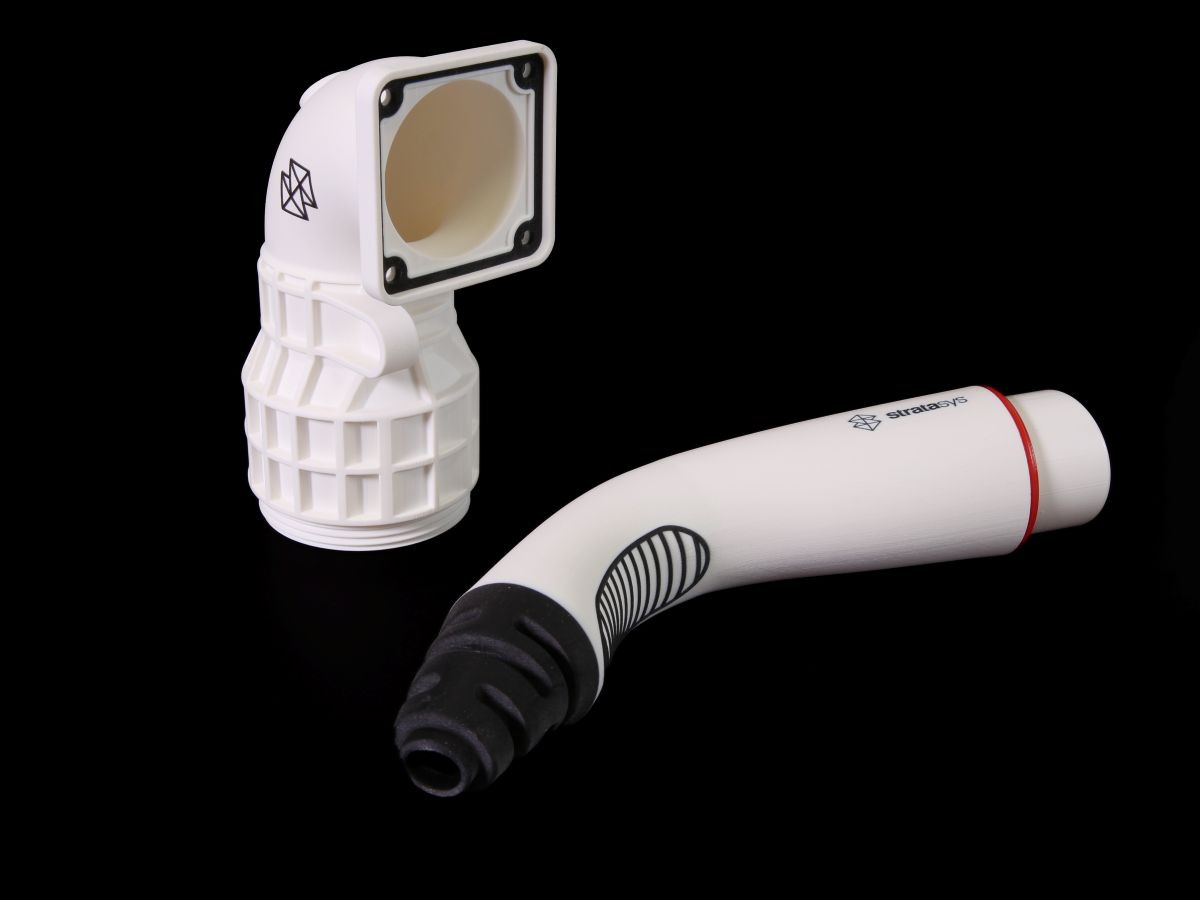
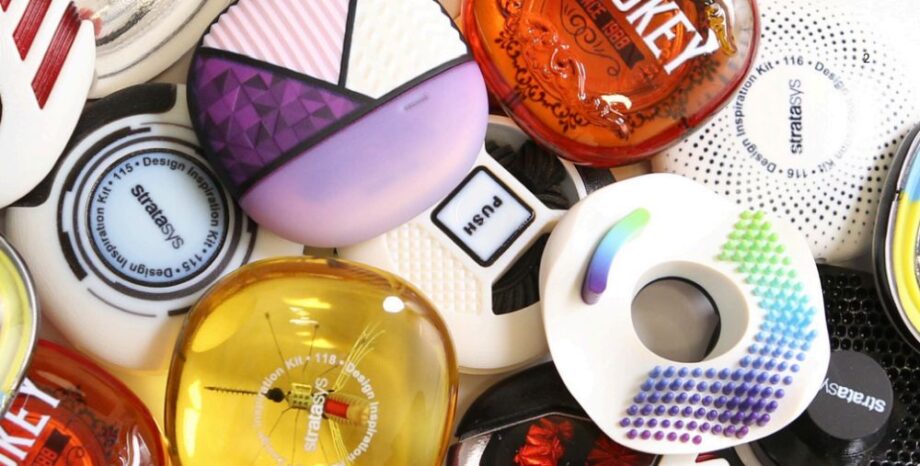
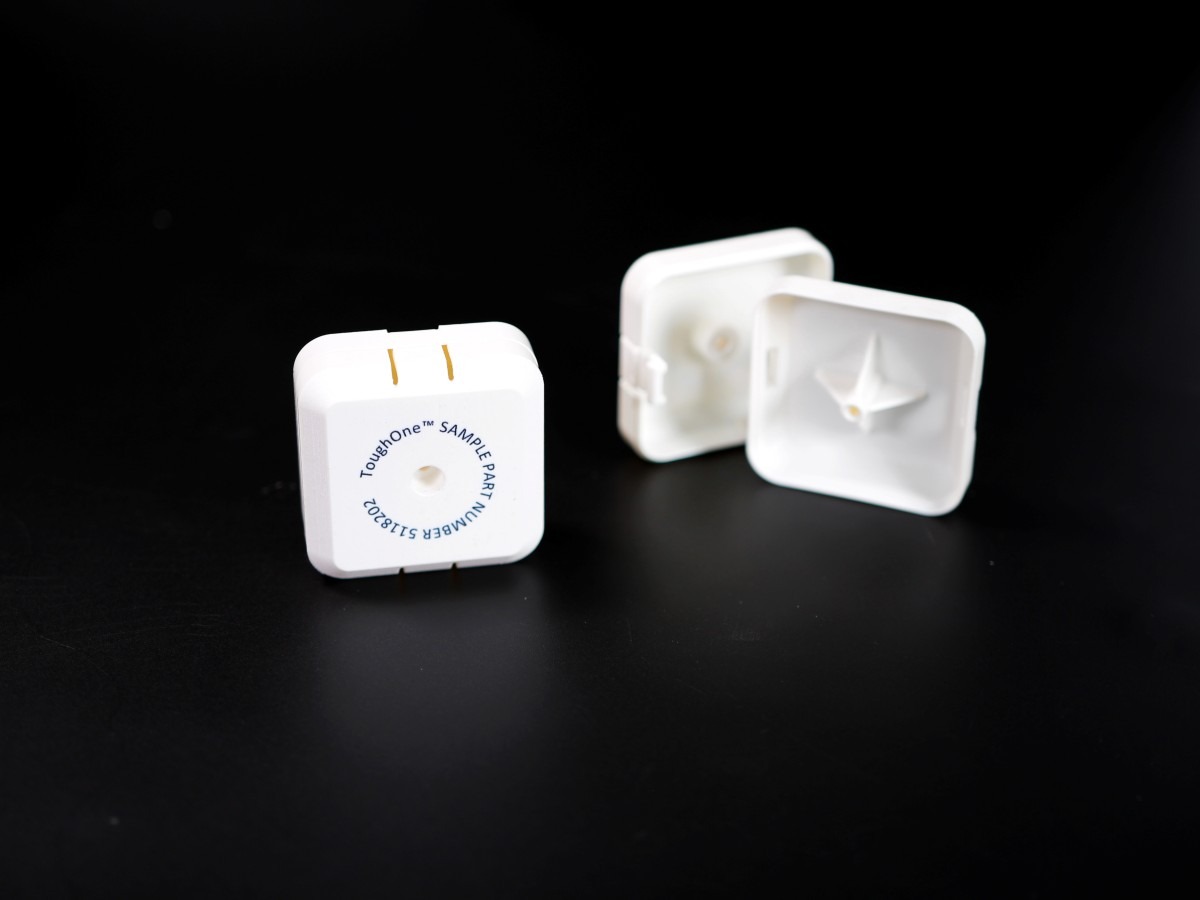
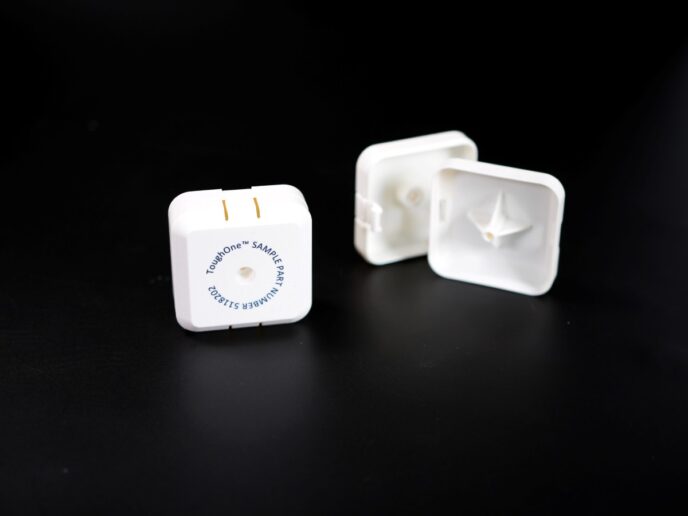
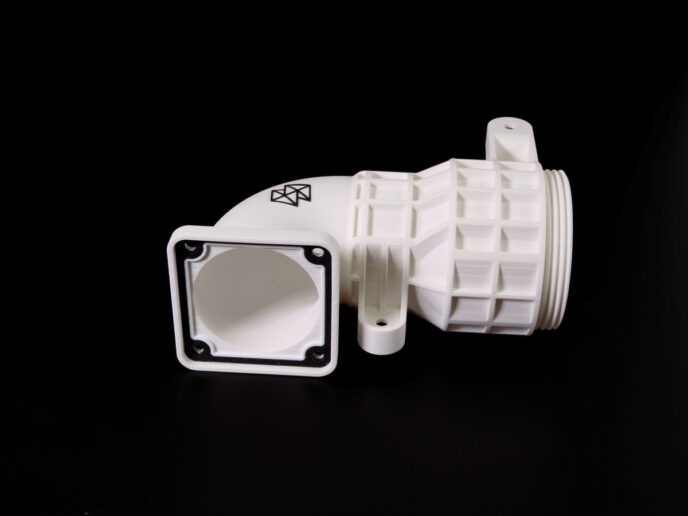
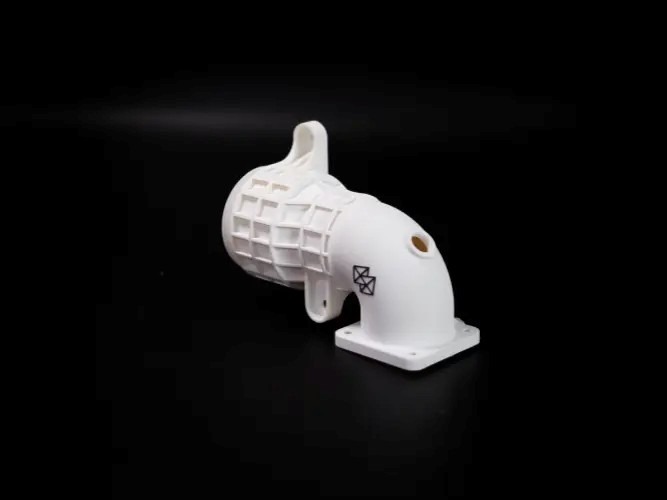
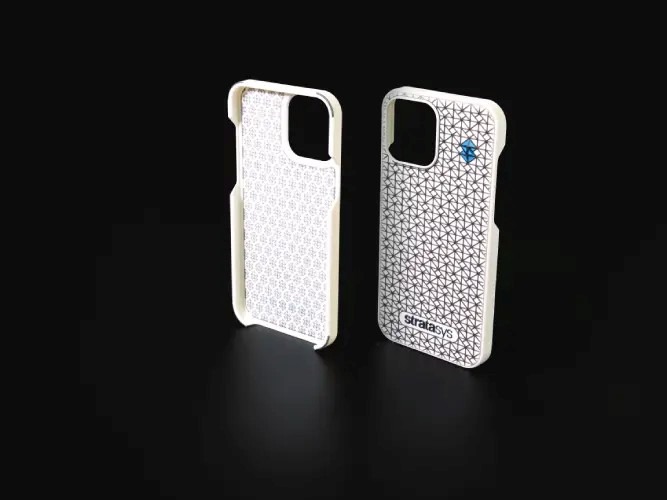
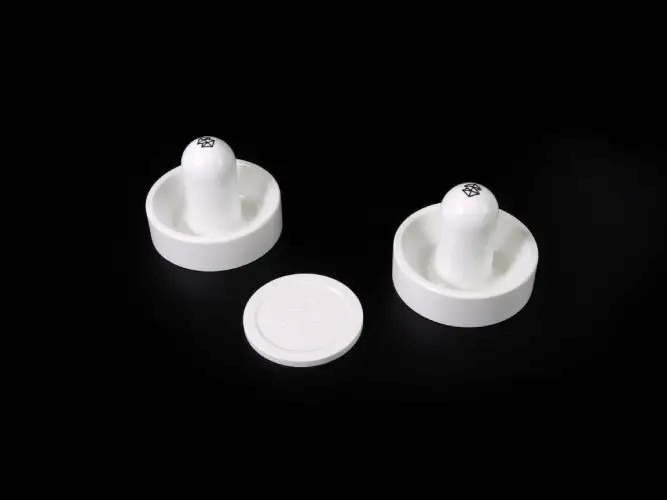
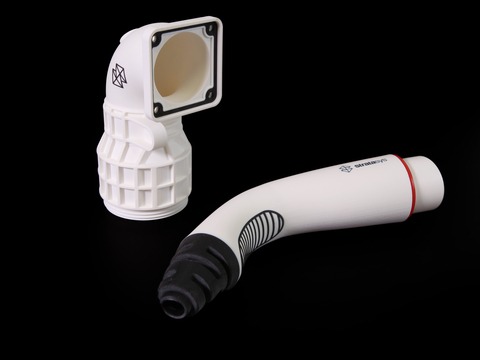
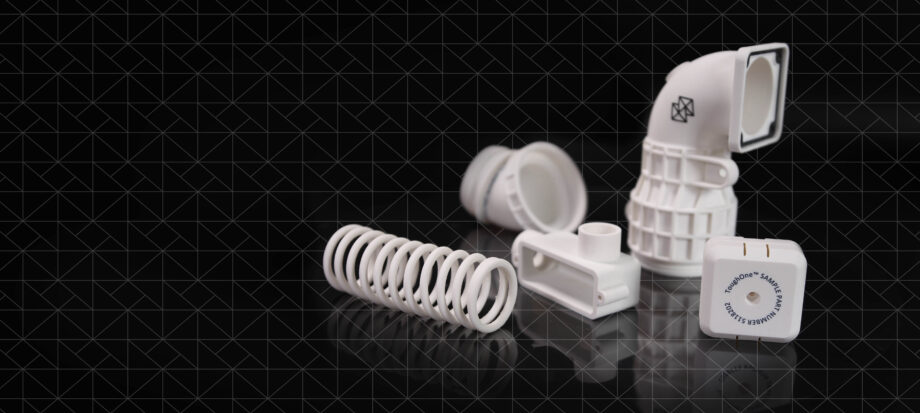
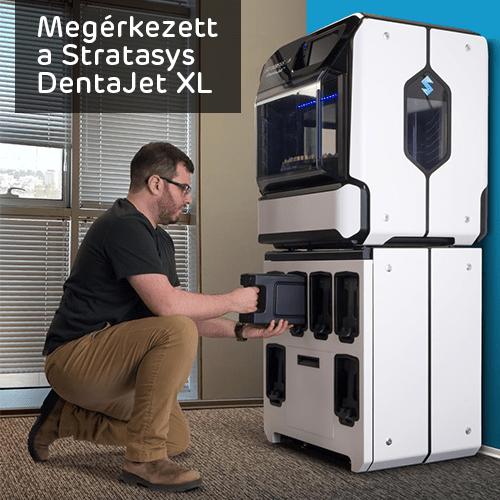
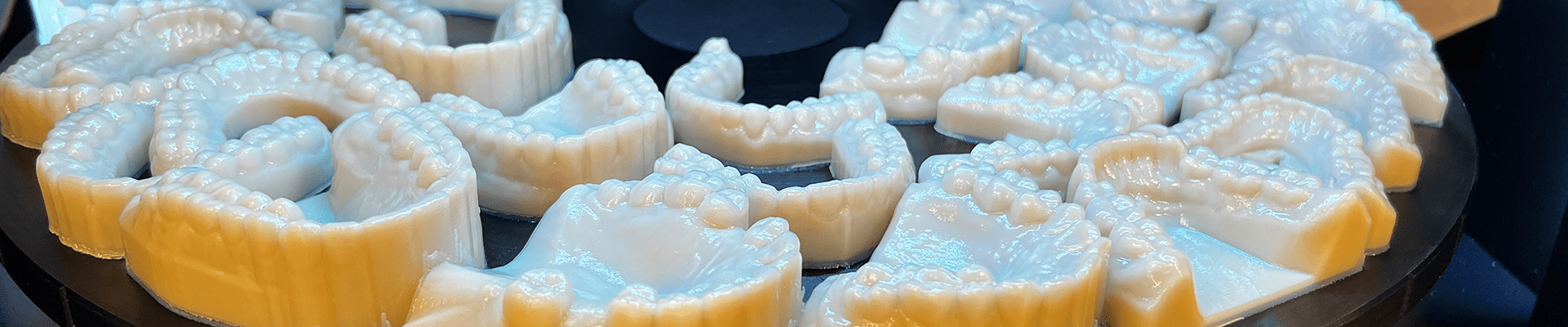
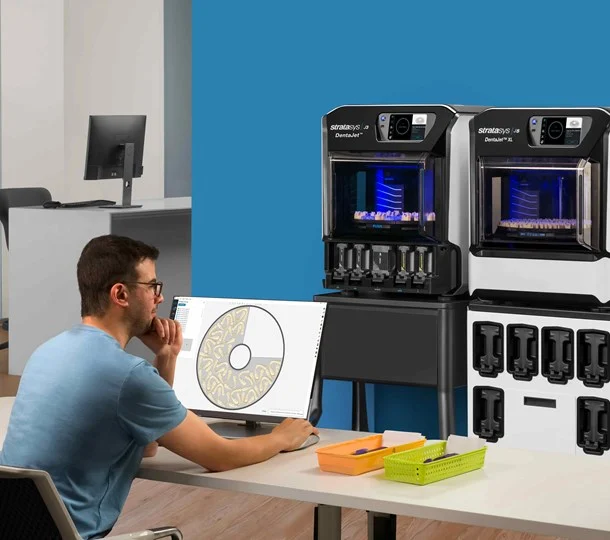
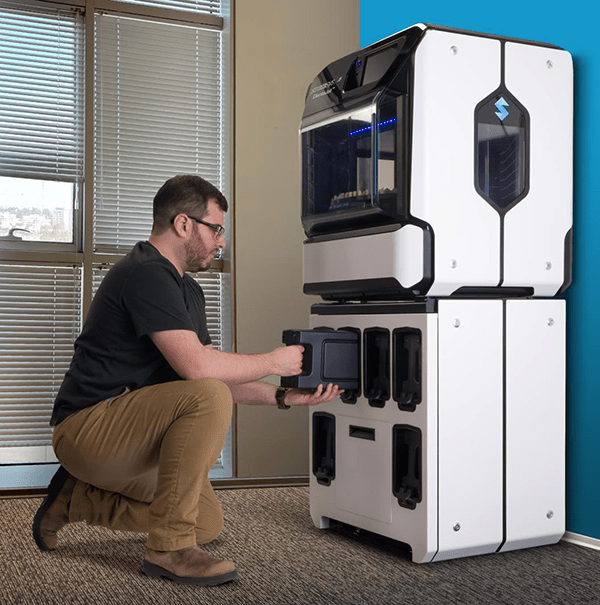
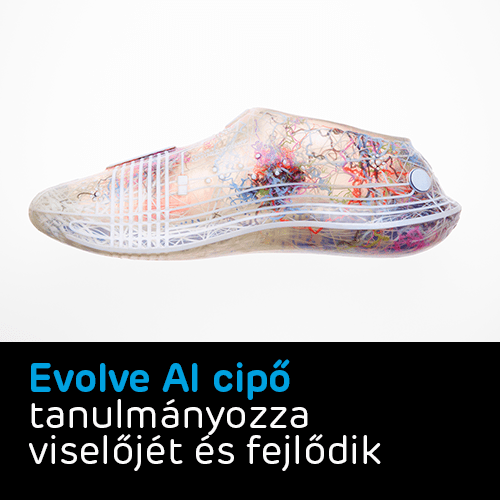
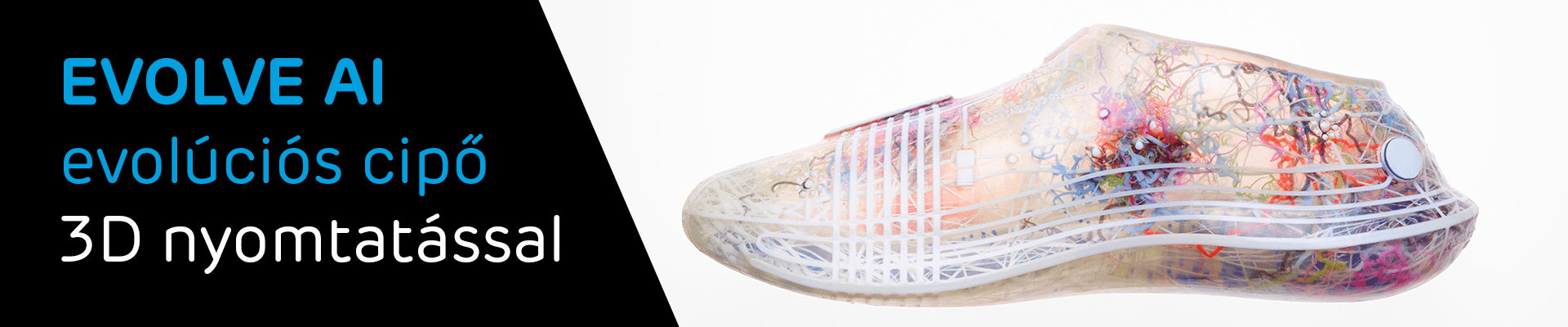
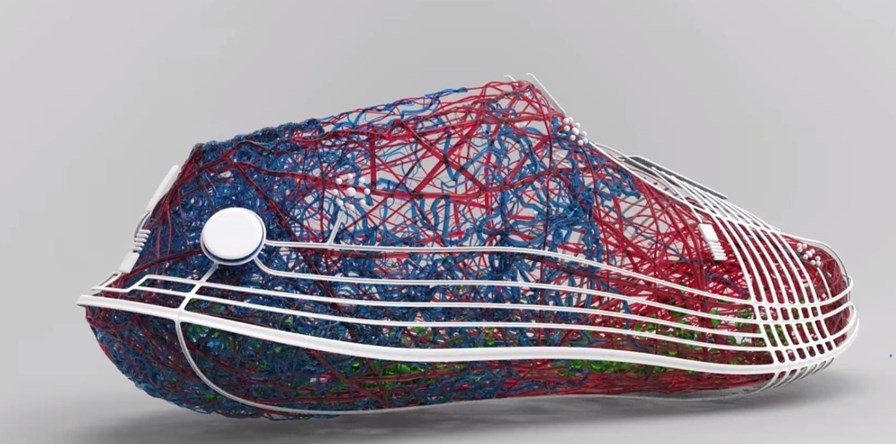
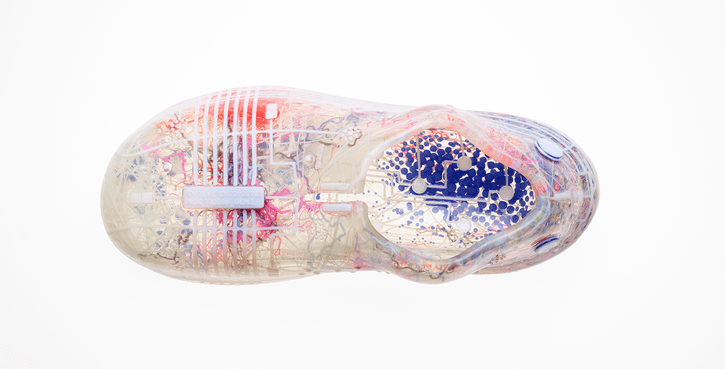
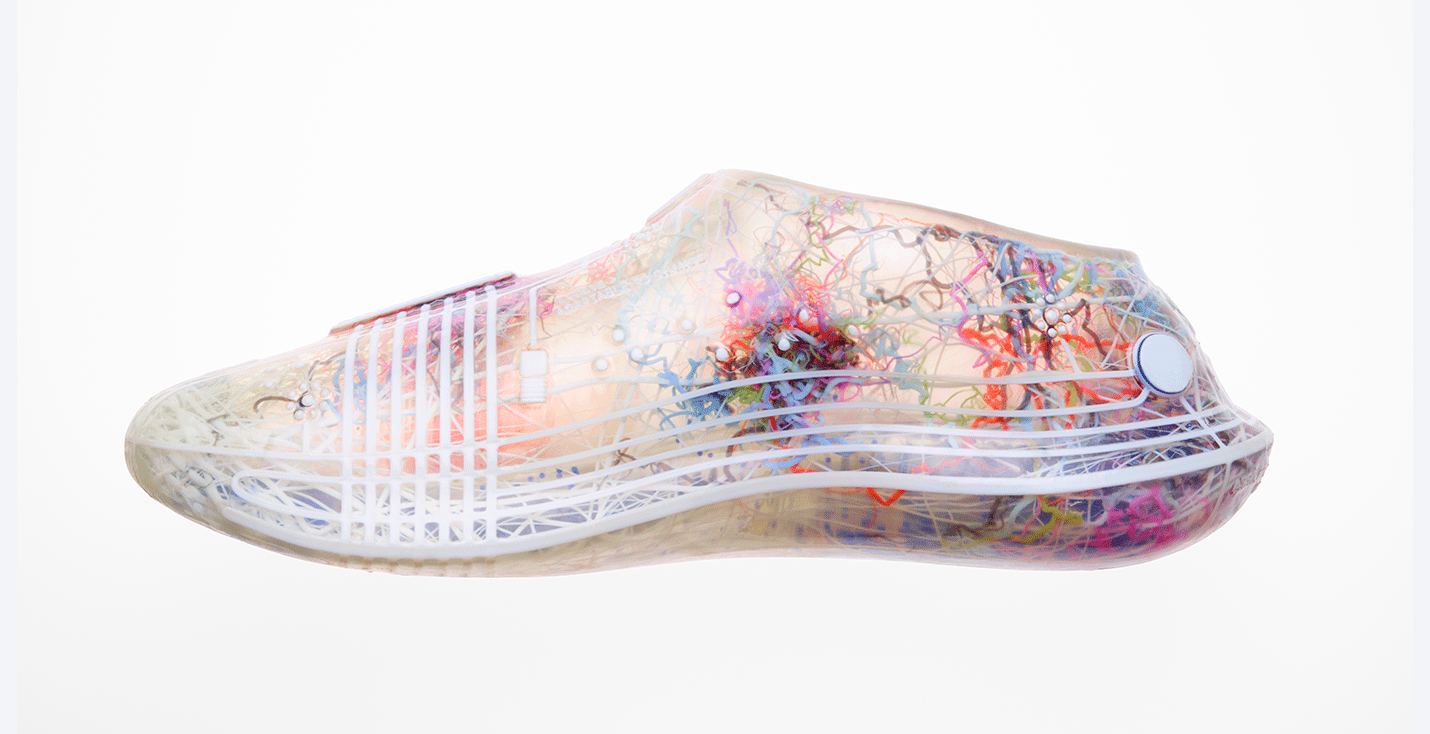
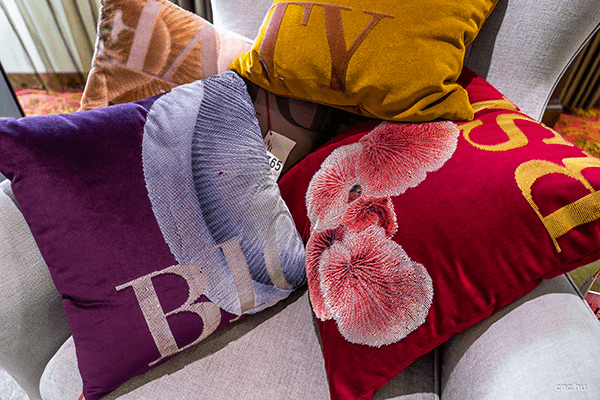

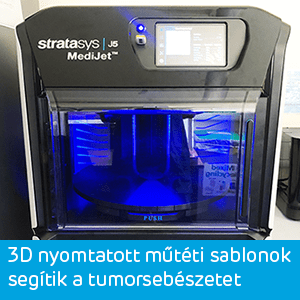

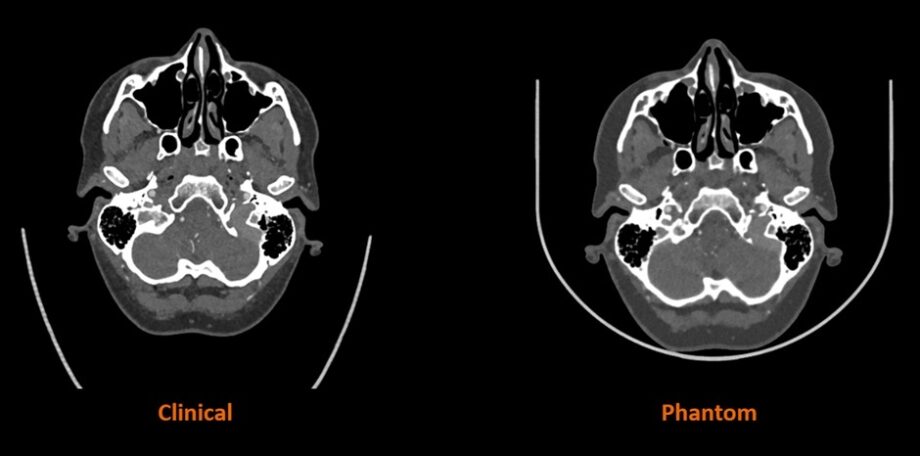
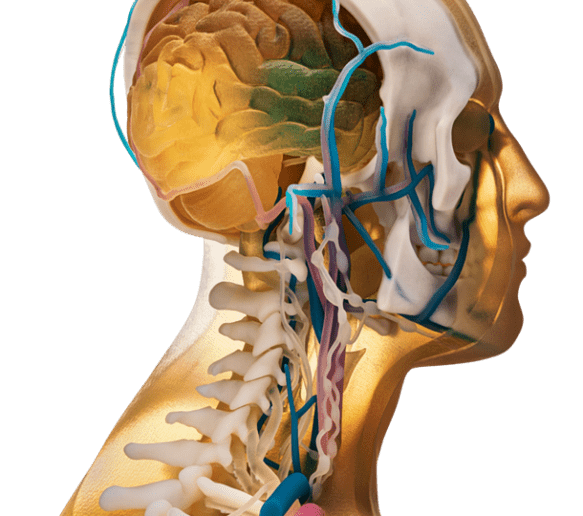
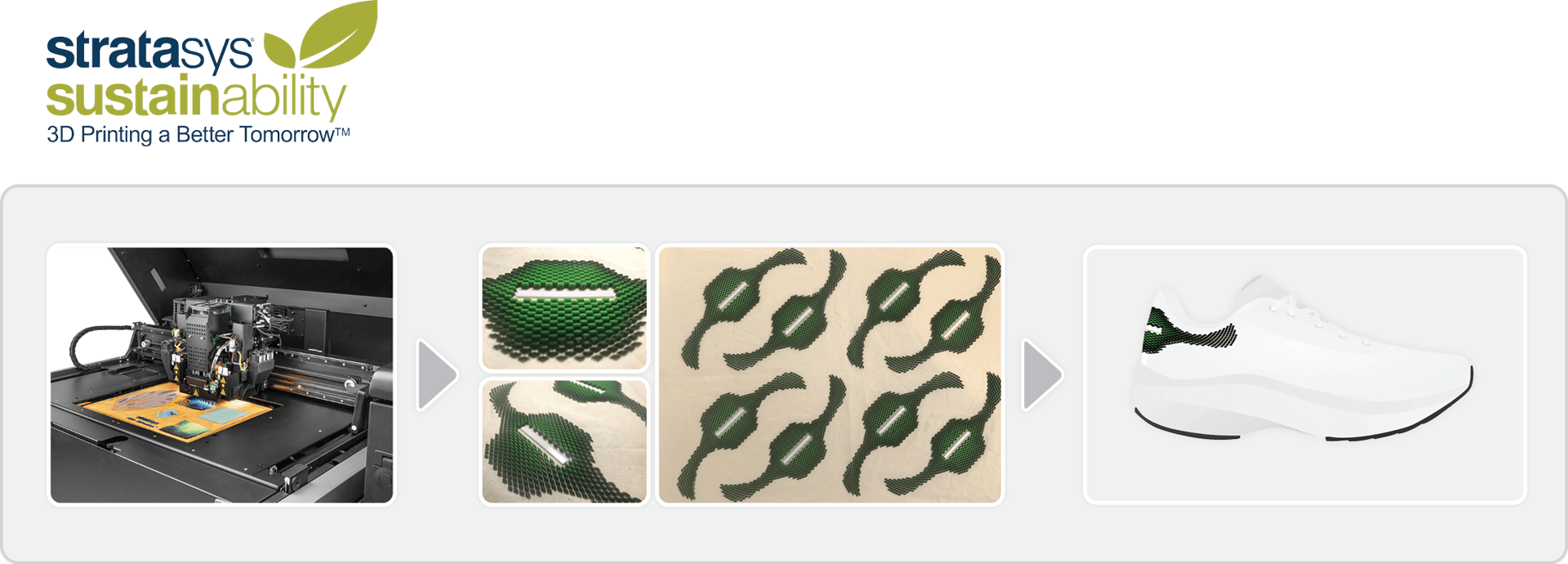
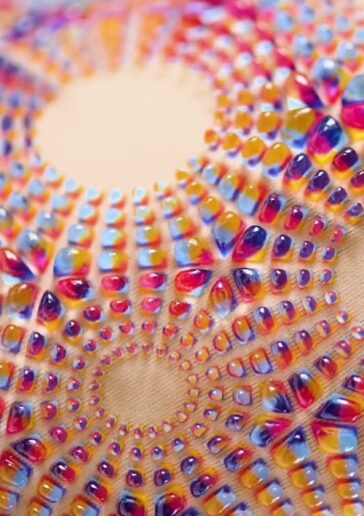
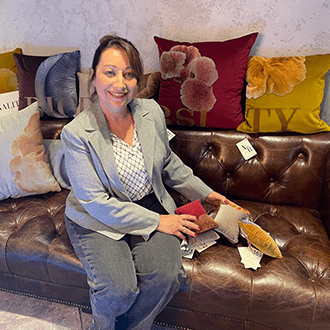
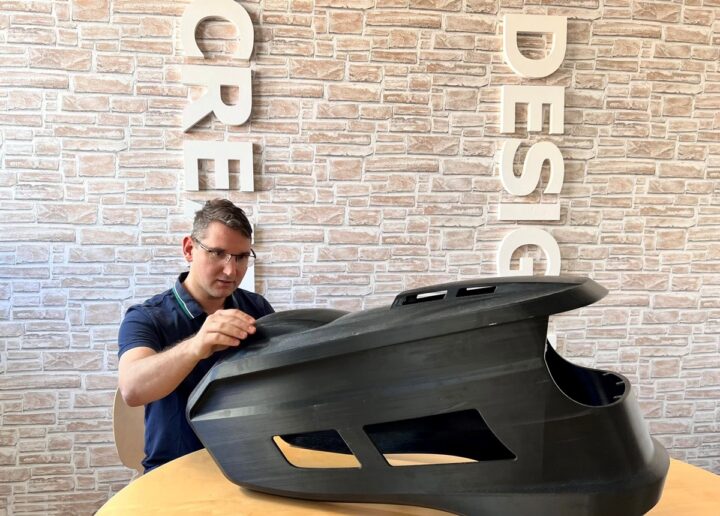

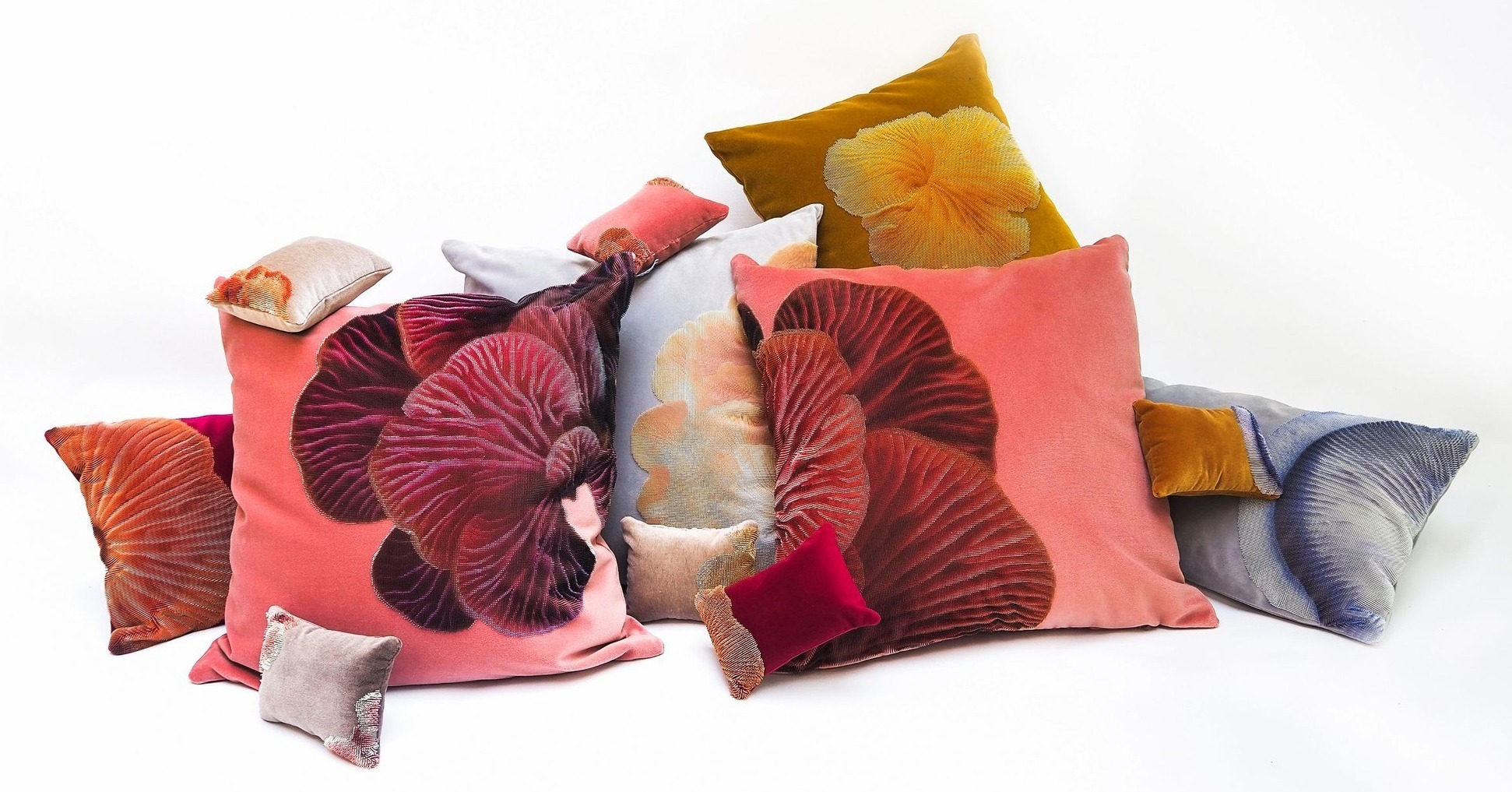
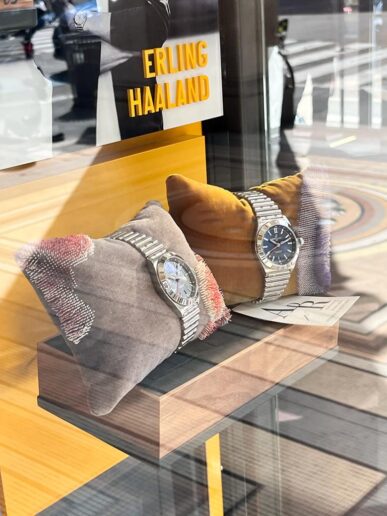
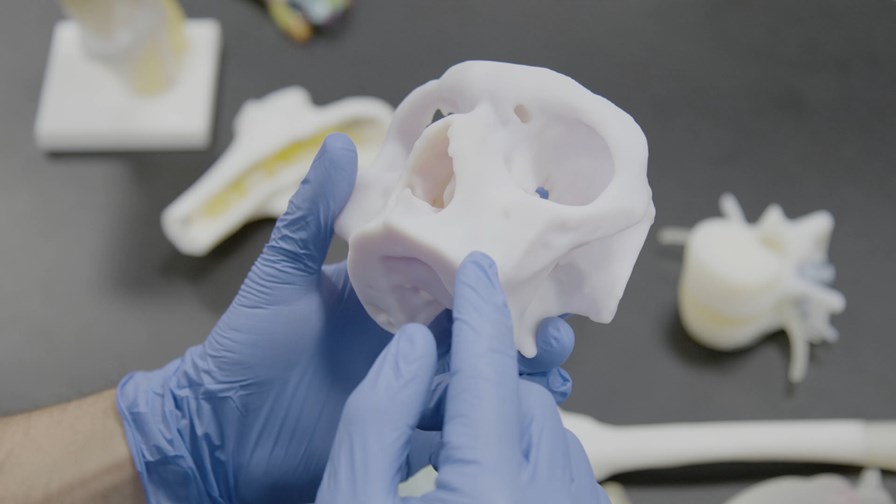
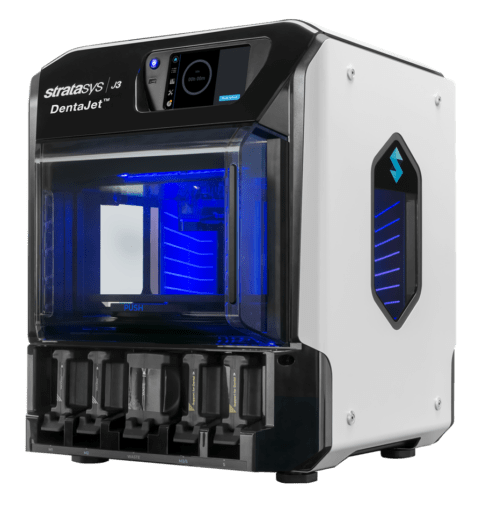
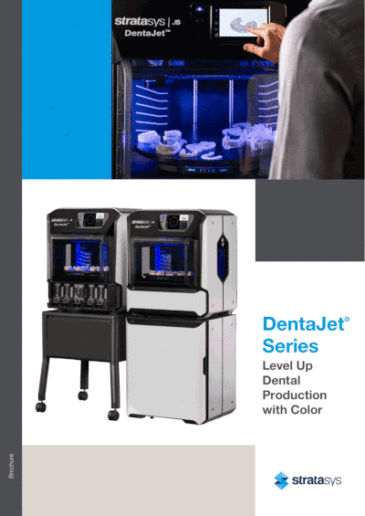
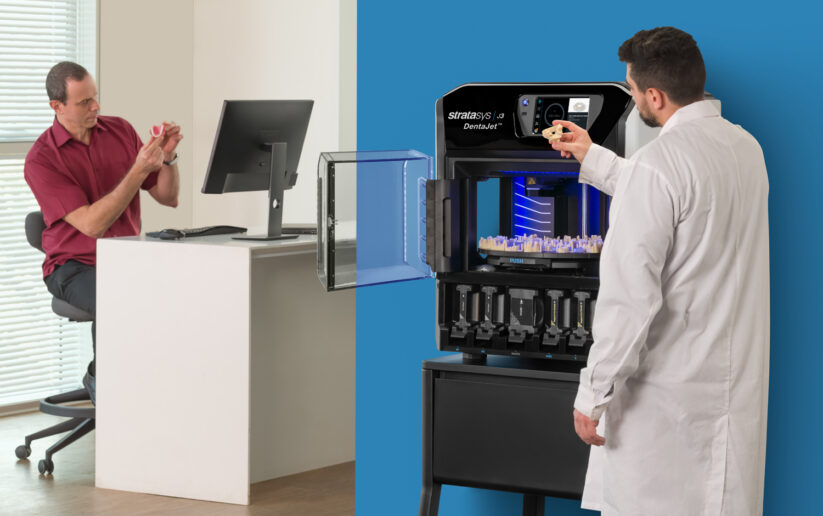




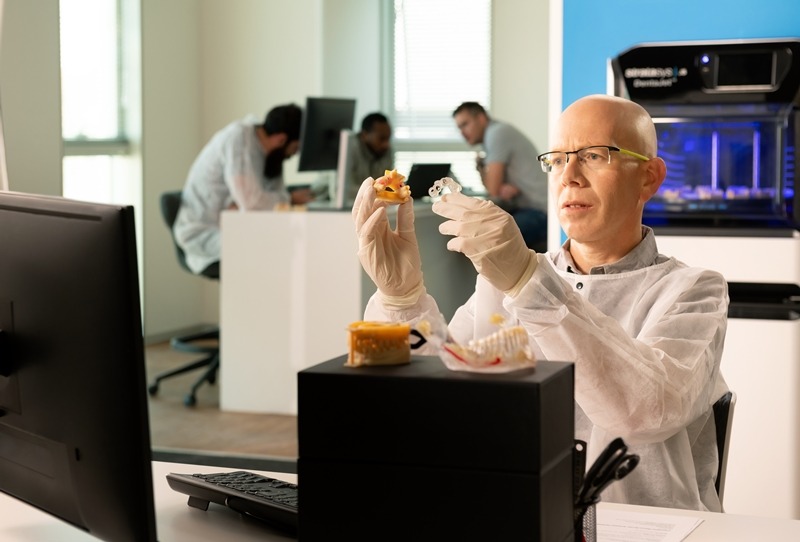
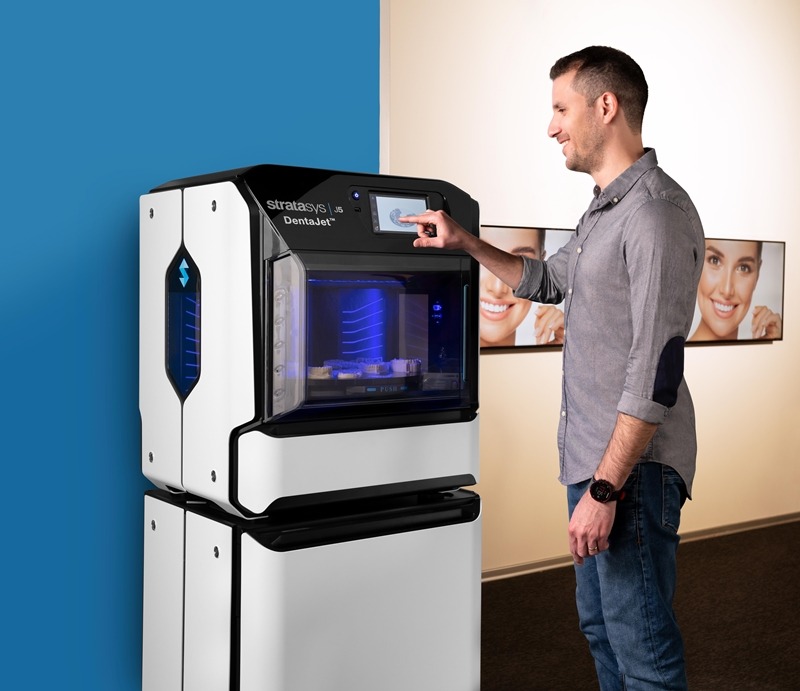
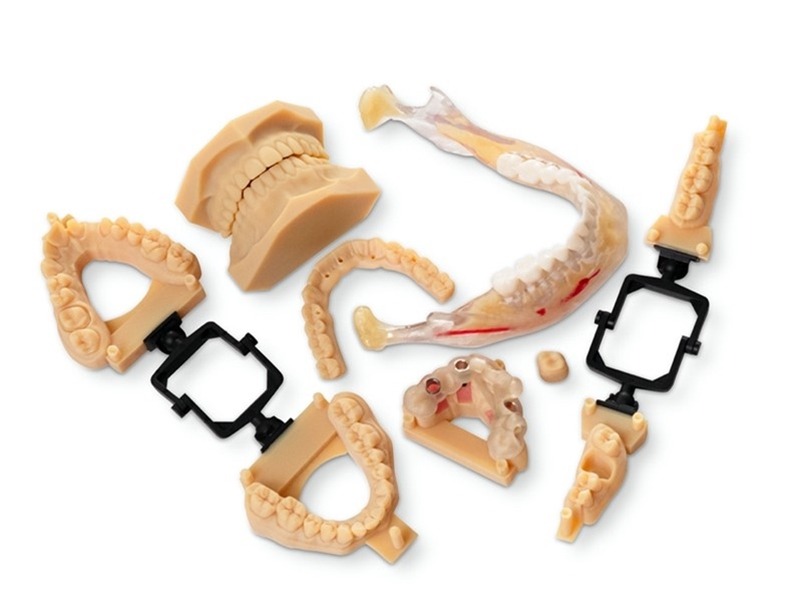
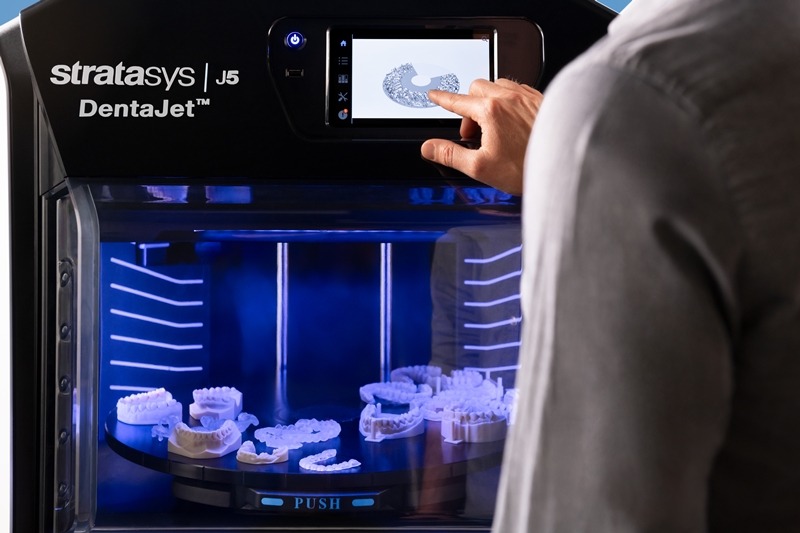
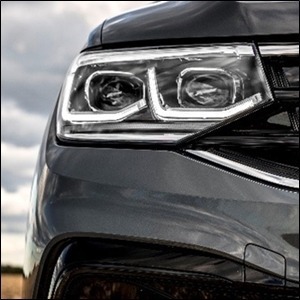
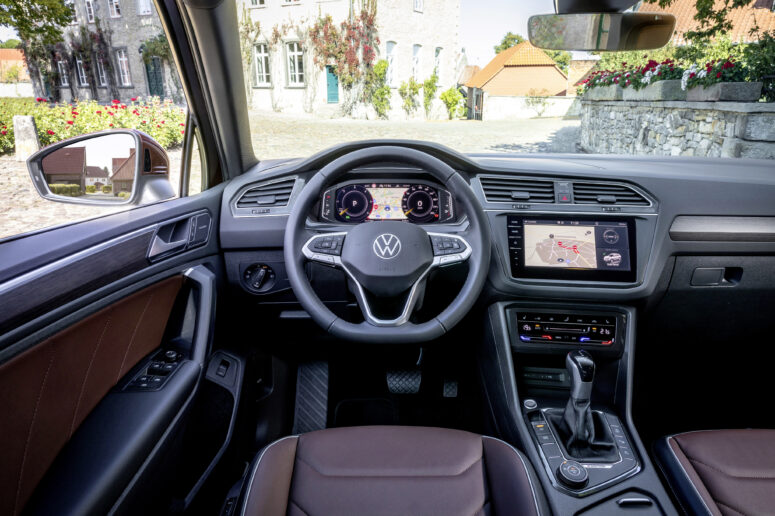
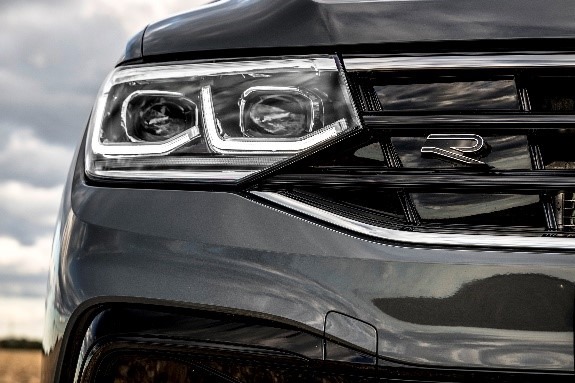
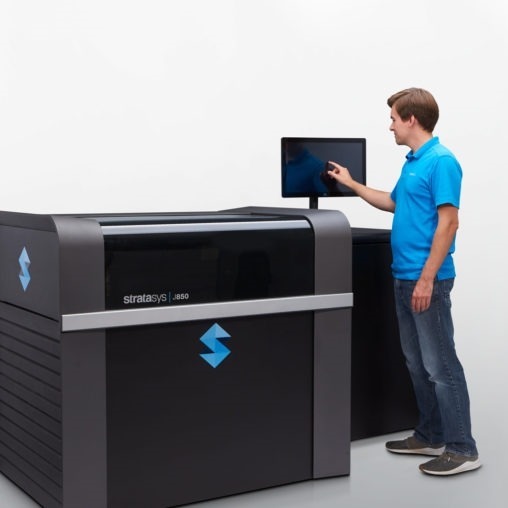
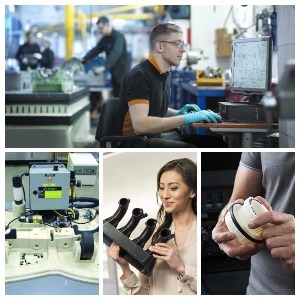
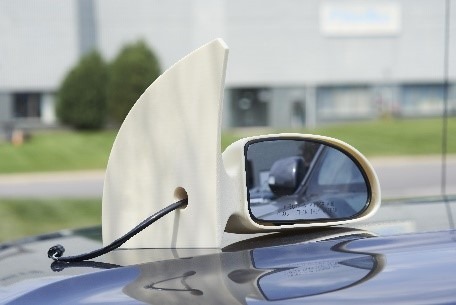
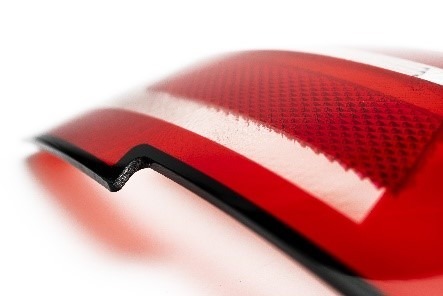
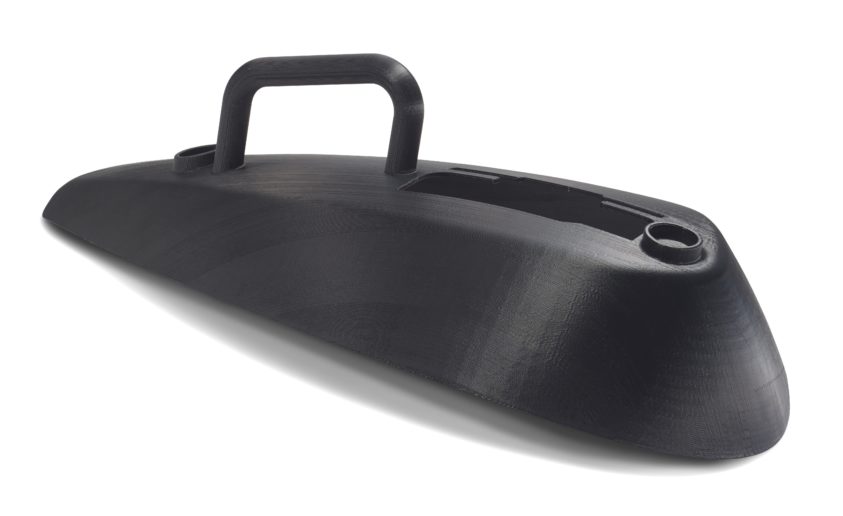
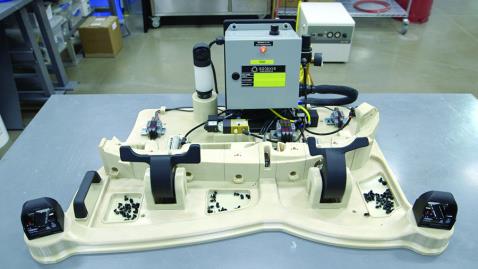
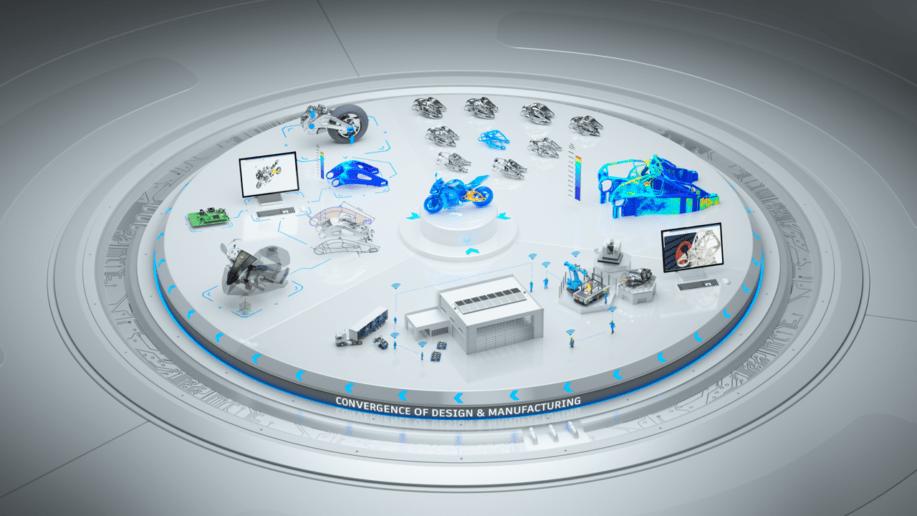
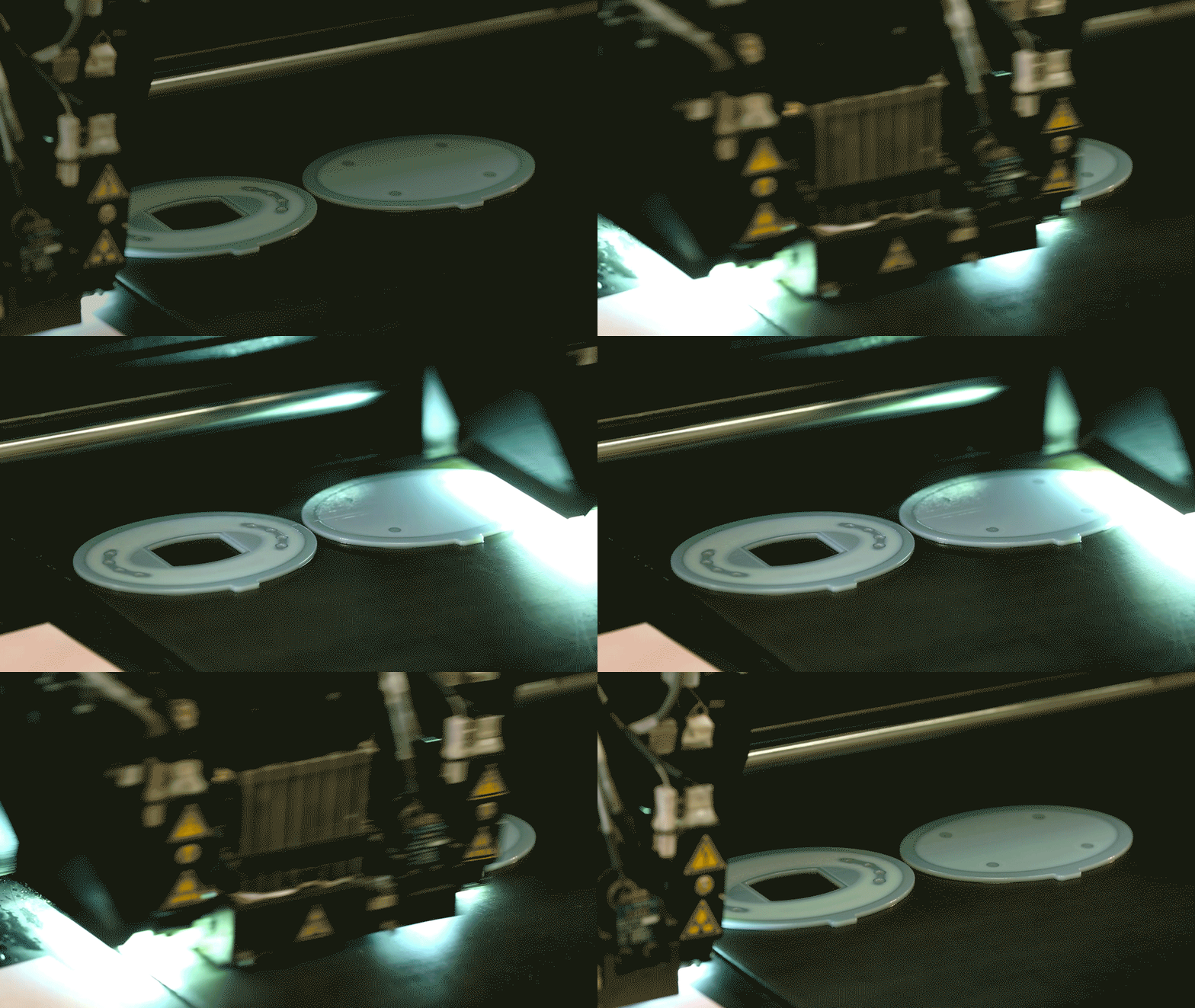
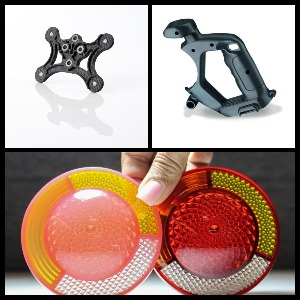
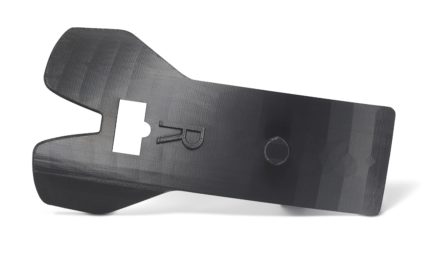
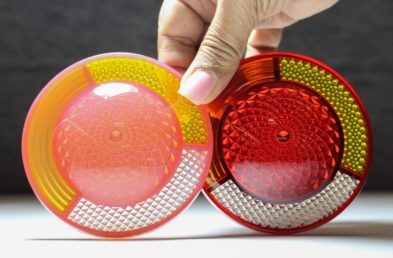
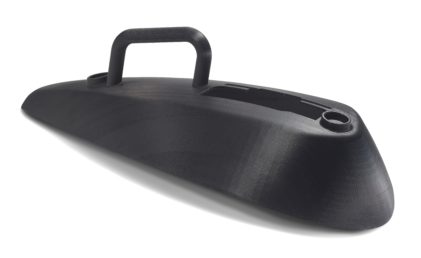
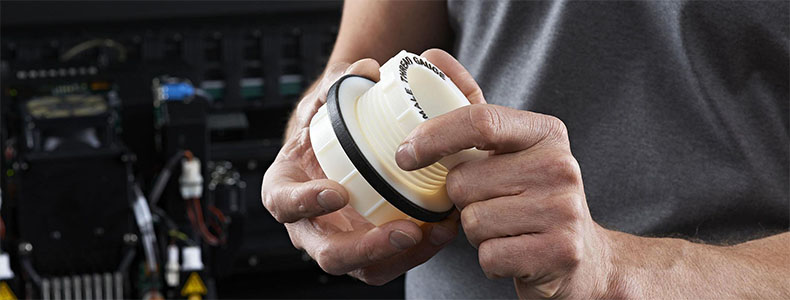
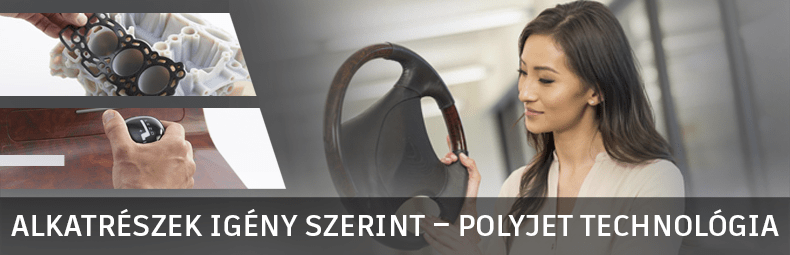
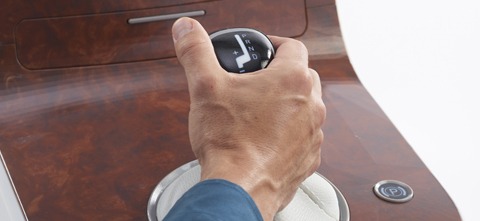
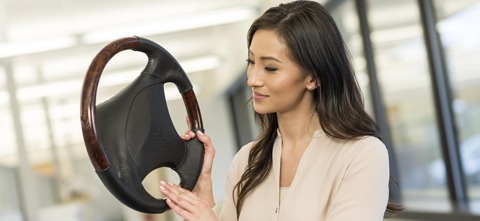
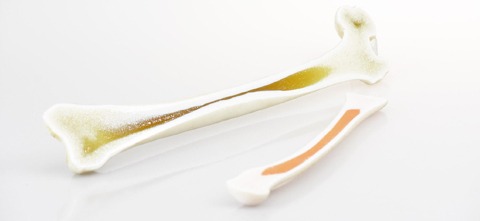
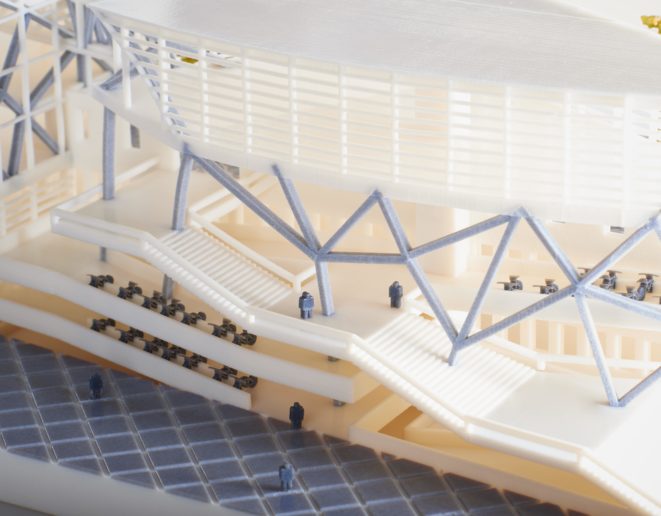
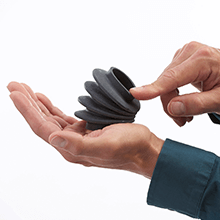
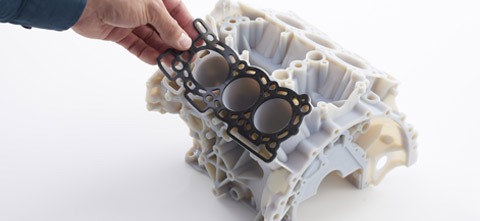
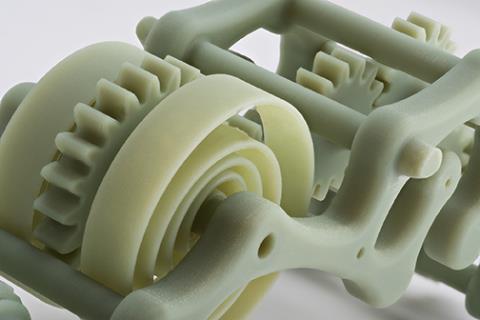
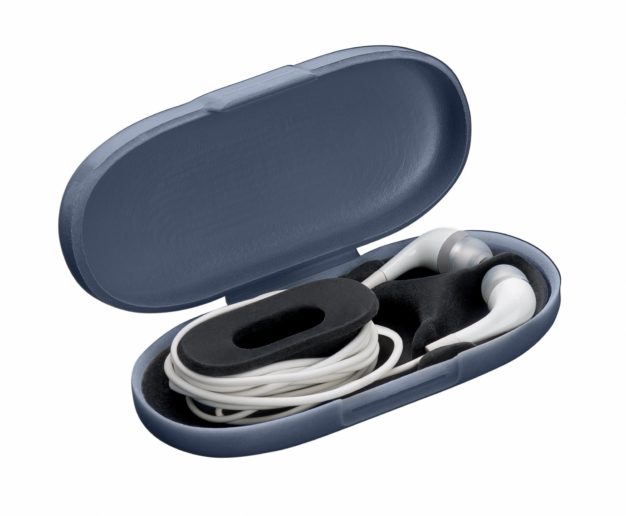
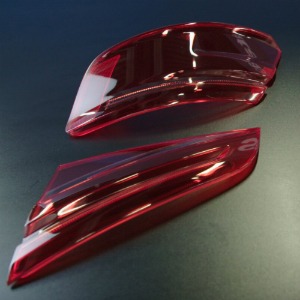
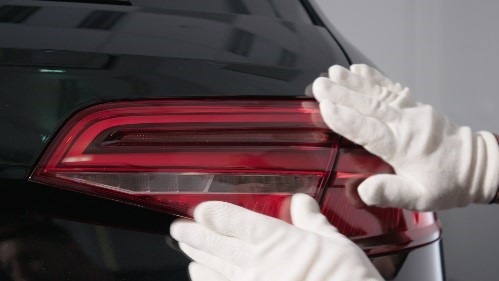
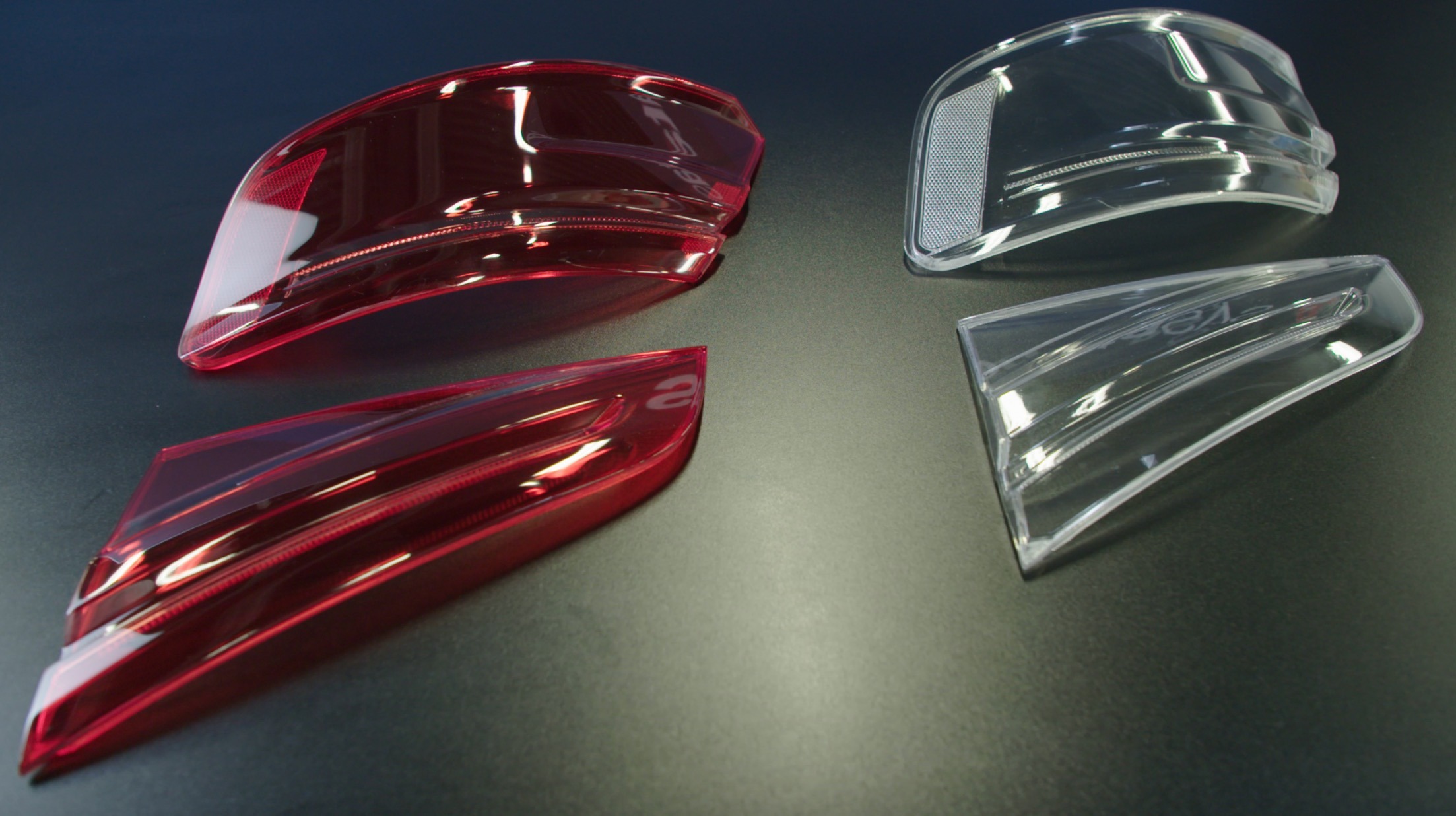 “Design is one of the most important purchasing considerations for Audi customers, so it is crucial that we adhere to the highest quality standards in the design and concept phase of vehicle development.” – explains Dr. Tim Spiering, head of Audi’s 3D Plastics Printing Center. – So we need prototypes that have accurate part geometry, are free of distortion, are of extremely high quality, and have true-to-design color and transparency. The Stratasys J750 3D printer is a huge advantage for us, as it allows us to print accurate textures and colors that match our designs. This is essential for getting design concepts approved for production. When it comes to 3D printed transparent parts, I haven’t seen any other technology that meets our specifications.”
“By using the Stratasys J750 to prototype taillight housings, we are speeding up the design review process.” – adds Spiering. – We estimate that we can achieve up to 50 percent time savings by using 3D printing technology in prototyping taillight bulbs.”
Dr. Spiering and his 24-person team are responsible for 3D plastic printing expertise, consulting and production at Audi’s headquarters in Ingolstadt. Since investing in the first Stratasys FDM 3D printer in 2002, the division has expanded its portfolio with ten 3D polymer printers, including Stratasys FDM and PolyJet 3D printers. Andy Middleton, Regional President of Stratasys EMEA, summed it up:
“Audi is a prime example of how our unique 3D printing technology, based on real-time mixing of multiple materials in full color, can simplify various design processes and effectively shorten development cycles. If the time savings that Audi achieved with the taillights are extended to other vehicle components, the overall impact on time to market will be enormous. We are excited to see how Audi will use our FDM and PolyJet technologies in new and emerging application areas, taking advantage of the advantages we offer in increasing the efficiency of the development process.”
Source: STRATASYS.com
“Design is one of the most important purchasing considerations for Audi customers, so it is crucial that we adhere to the highest quality standards in the design and concept phase of vehicle development.” – explains Dr. Tim Spiering, head of Audi’s 3D Plastics Printing Center. – So we need prototypes that have accurate part geometry, are free of distortion, are of extremely high quality, and have true-to-design color and transparency. The Stratasys J750 3D printer is a huge advantage for us, as it allows us to print accurate textures and colors that match our designs. This is essential for getting design concepts approved for production. When it comes to 3D printed transparent parts, I haven’t seen any other technology that meets our specifications.”
“By using the Stratasys J750 to prototype taillight housings, we are speeding up the design review process.” – adds Spiering. – We estimate that we can achieve up to 50 percent time savings by using 3D printing technology in prototyping taillight bulbs.”
Dr. Spiering and his 24-person team are responsible for 3D plastic printing expertise, consulting and production at Audi’s headquarters in Ingolstadt. Since investing in the first Stratasys FDM 3D printer in 2002, the division has expanded its portfolio with ten 3D polymer printers, including Stratasys FDM and PolyJet 3D printers. Andy Middleton, Regional President of Stratasys EMEA, summed it up:
“Audi is a prime example of how our unique 3D printing technology, based on real-time mixing of multiple materials in full color, can simplify various design processes and effectively shorten development cycles. If the time savings that Audi achieved with the taillights are extended to other vehicle components, the overall impact on time to market will be enormous. We are excited to see how Audi will use our FDM and PolyJet technologies in new and emerging application areas, taking advantage of the advantages we offer in increasing the efficiency of the development process.”
Source: STRATASYS.com