
Innovative 3D printing applications
The versatility of 3D printing: a comprehensive range of applications across many industries that is revolutionizing traditional manufacturing
Explore the world of additive manufacturing with our diverse portfolio of 3D printing applications, designed to meet the needs of industries at every stage of the product lifecycle. From innovative prototyping to end-use parts manufacturing, our technologies are transforming the way businesses design and manufacture. Discover solutions specialized for dental applications, custom templates and fixtures for efficient workflows, and medical device manufacturing with unparalleled customization options. We are at the forefront of many industry-transforming processes, demonstrating our commitment to driving innovation.
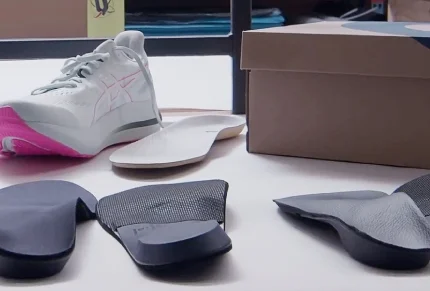
Parts manufacturing
3D printed parts are an effective alternative to traditional machining methods. Create unique, end-use parts on demand without the high costs and long lead times of traditional manufacturing.
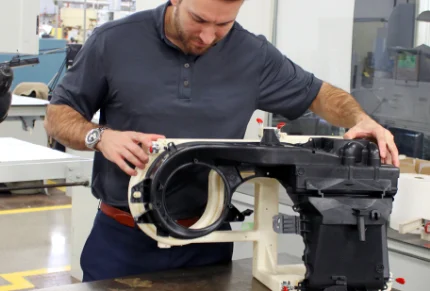
Templates and fixtures
Modernize and improve the process of making templates, fixtures, and inspection templates. 3D printed templates, fixtures, and other manufacturing tools offer time, cost, and weight advantages over traditional metal tooling.
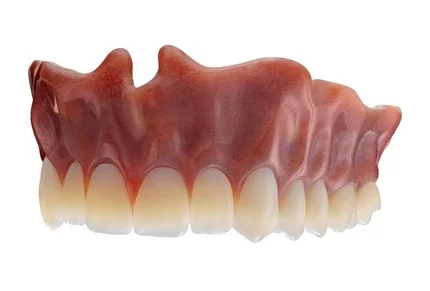
Removable dentures
TrueDent – the truly aesthetic solution.
Monolithic, colored, 3D printed permanent dentures. Print dentures with TrueDent, an FDA-approved material developed for the J5 DentaJet that enables simplified production of removable dentures. Already MDR-approved.
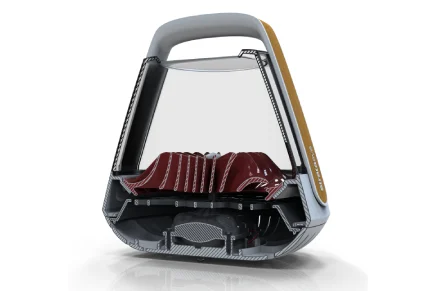
Rapid prototyping
Quickly transform your ideas into accurate, lifelike prototypes with rapid 3D printing. Revolutionize design and engineering prototyping with 3D printing solutions, increasing efficiency, reducing costs, and time to market.
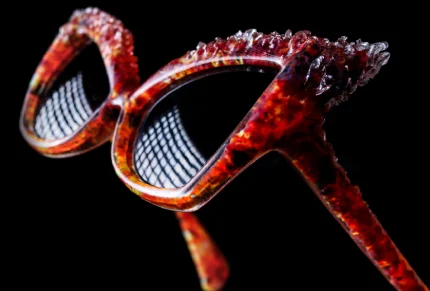
Design
Design, print, test, and iterate models with unparalleled realism, across a seamless product lifecycle. Leverage 3D printing for accurate and reliable product development, facilitating optimal design communication for faster time to market.
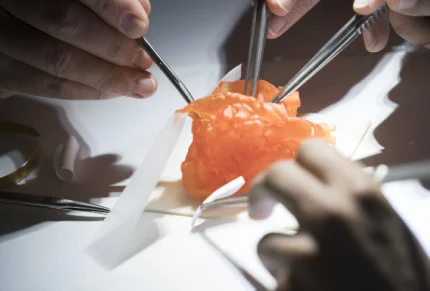
Medical research and education
Enhance medical education with lifelike 3D models for practice-oriented, risk-free education and research. Create accurate models of organs and diseases, overcoming the limitations of traditional methods.
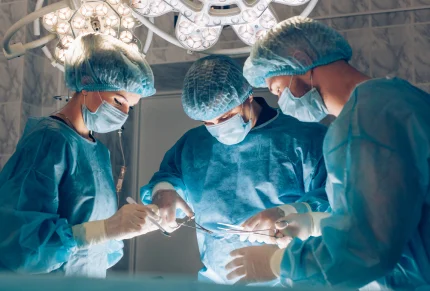
Healthcare system
Take healthcare to the next level with 3D printing solutions. Provide patient-specific 3D models for better surgical planning, simplify skill development and practice, reduce surgical time, and improve quality of care.
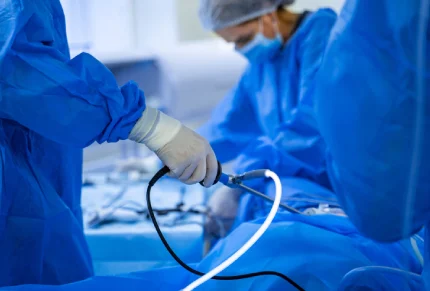
Medical equipment and devices
Accelerate medical device innovation with 3D printing. Accelerate workflows: use lifelike models for testing, develop templates and fixtures, and produce high-quality end-use parts.
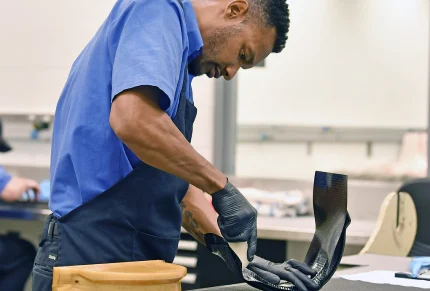
Composite parts manufacturing
Simplify and streamline composite part manufacturing with 3D printed composite tooling. Create 3D printed tooling molds for composite structures in much less time than it takes to procure traditional hard (metal) tooling.
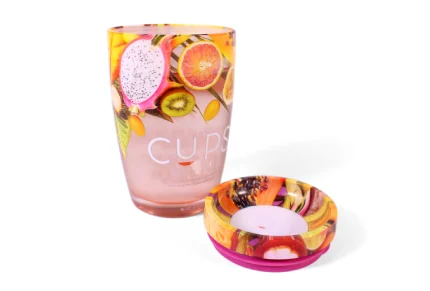
Wrapping
Accelerate time to market with cost-effective, high-quality 3D printing of packaging prototypes. Revolutionize packaging design with high-fidelity, full-color 3D prototypes with Pantone-validated colors and ultra-sharp details.
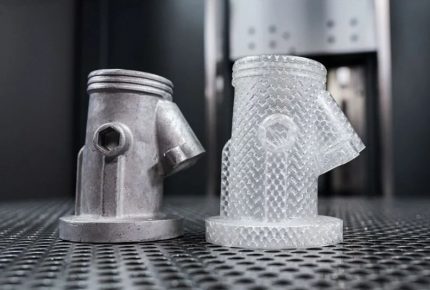
Precision casting with 3D printing
Precision lost-wax casting can be achieved without the limitations of traditional pattern making: SLA 3D printed patterns can achieve complex, detailed geometries while simplifying the manufacturing process and reducing costs.
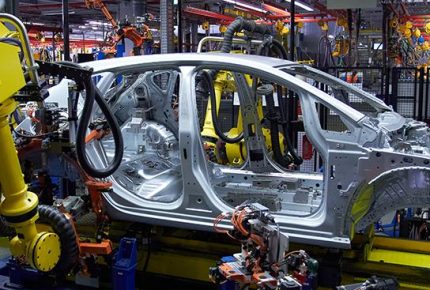
Manufacturing with 3D printing
3D printing, also known as additive manufacturing, breaks with traditional manufacturing methods with its efficiency, flexibility, and greater sustainability.
Frequently Asked Questions about 3D Printing
The scope of 3D printing has expanded significantly, covering the entire product lifecycle. Originally rooted in rapid prototyping, it has moved beyond creating and testing early-stage models. 3D printing now plays a key role not only in the design and engineering testing stages, but also in the production of finished, end-use parts. This technological advancement highlights the utility of additive manufacturing in refining prototypes and ensuring the highest quality of the finished product. Its diverse applications are now an integral part of all stages of product development from concept to implementation, underscoring the transformative impact of 3D printing across many industries.
The most common application of 3D printing is rapid prototyping. This application stands out because it allows for the rapid and cost-effective creation of physical models based on digital designs. Rapid prototyping allows designers and engineers to test ideas, iterate designs, and validate concepts much more quickly than with traditional manufacturing methods. It is particularly valuable in industries such as automotive, aerospace, healthcare—including medical and dental—consumer goods, and other industries where speed of innovation and the ability to test ideas before mass production are key. This use of 3D printing has significantly transformed the product development process, making it more efficient and adaptable.
The largest, most widespread, and most impactful application of 3D printing is rapid prototyping. This application has become essential in many industries, as it allows for the rapid production of physical models or prototypes directly from a digital design. Rapid prototyping with 3D printing significantly reduces the time and cost associated with traditional prototyping methods. This application is vital in the automotive, aerospace, industrial design, healthcare, and consumer goods industries. It allows for form, fit, and function testing, iterative modifications, design validation, and early insights into the product development cycle. The speed and flexibility offered by 3D printing in prototyping has made it an indispensable tool in the design and manufacturing process, making this technology perhaps its most significant and widely used application.
Additive manufacturing, also known as 3D printing, is playing a key role in many industries with its versatile applications. It is revolutionizing the product development process through rapid prototyping, enabling rapid design validation and iteration. In healthcare, for example, it enables the creation of highly customized medical devices — such as prostheses — that are precisely tailored to the needs of individual patients. The aerospace and automotive industries are benefiting from 3D printing’s ability to produce complex and lightweight parts that improve performance. It also supports the creation of tools and templates and fixtures , and offers almost unlimited customization options for consumer products. Art, fashion, education, research, dental care, and electronics prototyping are among the many fields that have embraced 3D printing, demonstrating its versatility and profound impact on modern manufacturing and innovation.