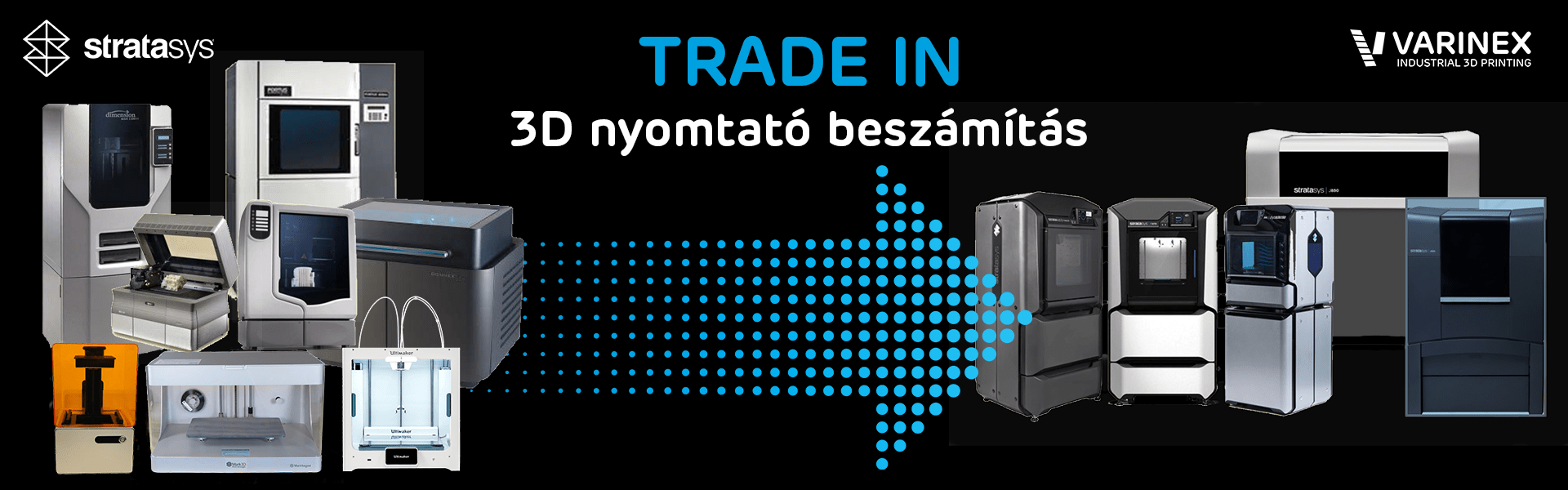





Trade in your current 3D printer for a discount!

Trade in: 3D printer credit

3D printer credit when purchasing new Stratasys equipment

Renew your 3D printer for great discounts!

Find out how much your EXISTING 3D printer is worth
when you buy a NEW STRATASYS MACHINE!

In the rapidly changing world of 3D technologies, our 3D scanners and 3D printers are faster and more efficient than ever, and the ever-expanding range of 3D printer materials supports the introduction of new applications. To stay ahead of the competition, it is essential to keep up with the latest technological developments.

To help achieve this goal, our current trade-in offer is a great starting point for any business looking to upgrade their old Stratasys 3D printer or replace their 3D printer from another brand with a new Stratasys machine.

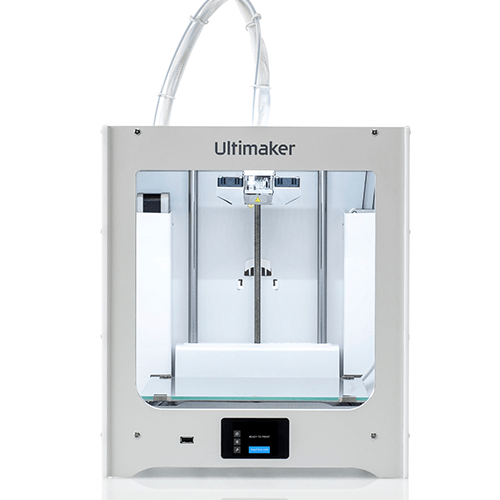
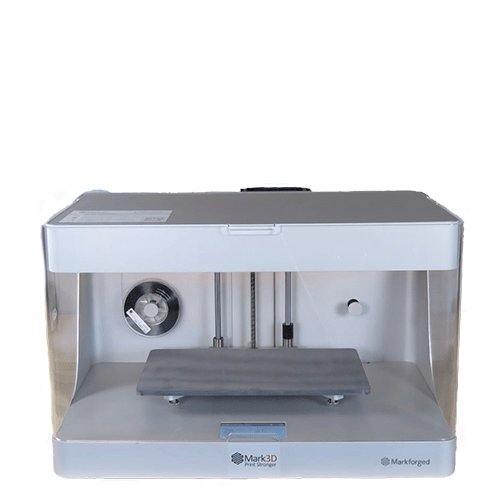
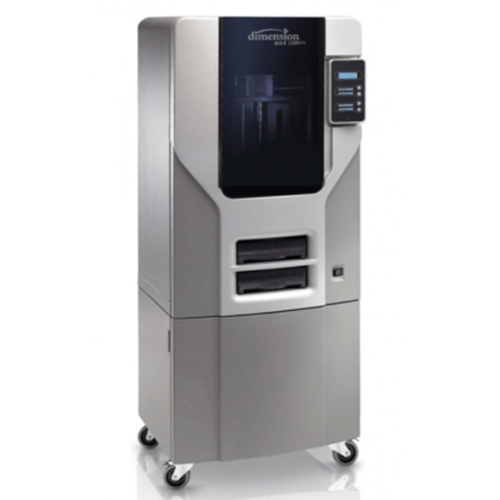
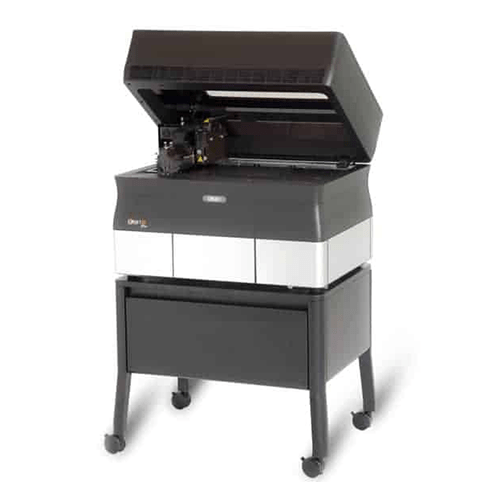
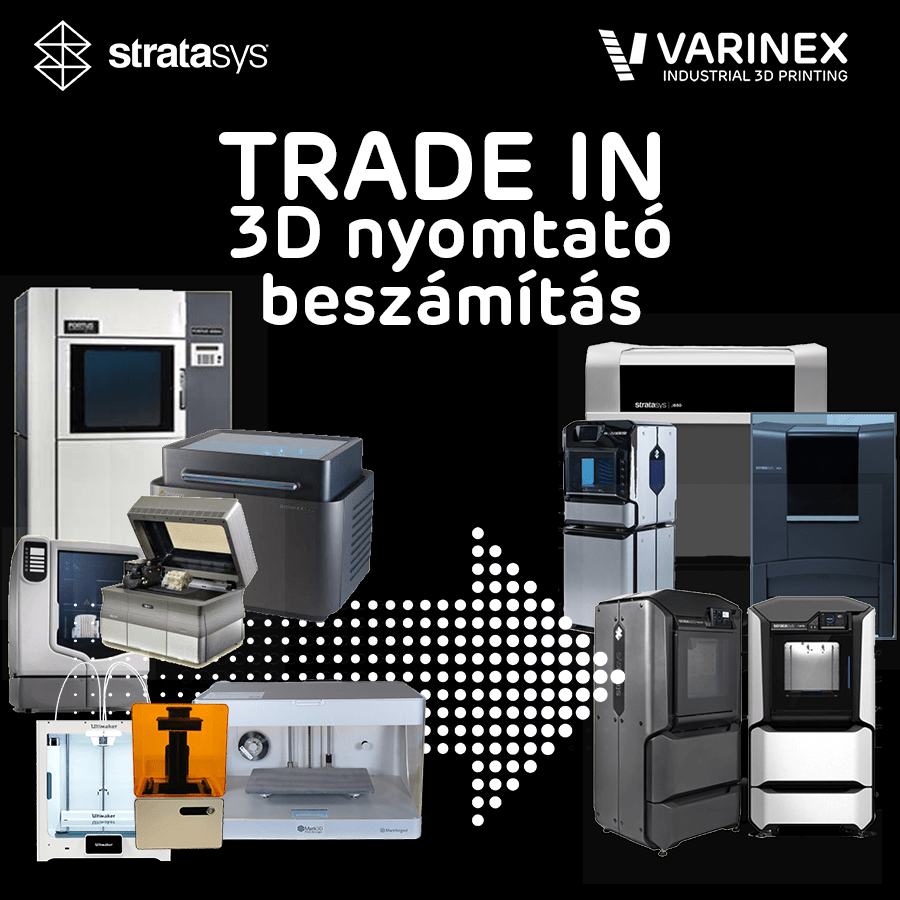
When purchasing a new Stratasys 3D printer, VARINEX will now credit your existing 3D printer! The trade-in value offered depends on both the 3D printer you are trading in and the 3D printer you wish to purchase, based on our unique offer. 

SOME EXAMPLES OF INTERCHANGEABLE EQUIPMENT

Contact our expert colleagues to discuss how much your existing 3D printer can be included in the promotion!

FIND OUT THE CURRENT VALUE OF YOUR 3D PRINTER!

Enter your current 3D printer type to calculate your discount!

3 simple steps to the exchange process

Enter your details and the details of the 3D printer you want to replace (type, serial number, year of manufacture) on our form!

Based on the information provided, we will send you a valuation, from which you can find out how much discount you can expect.

Use the discount to get your new Stratasys 3D printer!

Which Stratasys 3D printers are eligible for the discount?

FDM technology

PolyJet technology

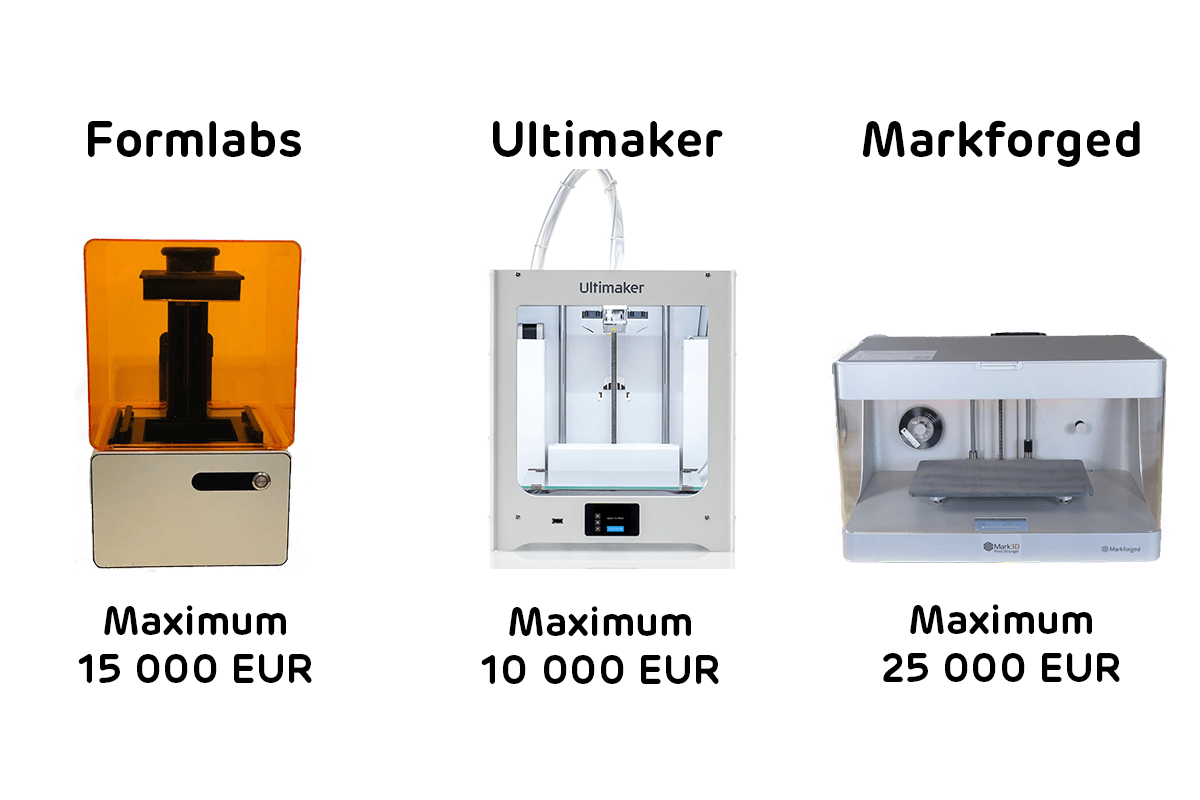
INTERCHANGEABLE BRANDS

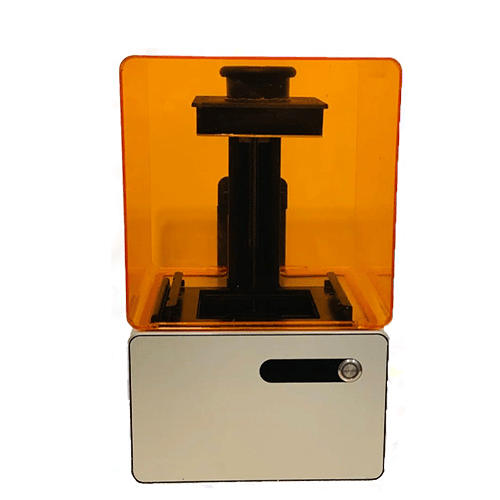
Formlabs

Trade-in 3D printer exchange offer

Maximum EUR 15,000

UltiMaker

Replace your Ultimaker 3D printer!

Maximum EUR 10,000

Markforged

Trade-in 3D printer exchange offer

Maximum EUR 25,000

Trade in your 3D printer for a discount!

Buy your new 3D printer at a discount by replacing your existing technology!

Industry-leading cutting-edge technology

Solve your biggest challenges with Stratasys' unmatched technology!

Premium service support

Our premium service ensures that your 3D printer operates reliably 24 hours a day.

Do you have a question?

DO YOU HAVE A QUESTION?

We understand that implementing additive manufacturing can raise many questions for your business.

We are happy to help you find your way, andour team of experts is ready to assist you!

Zoltán Fehér
Technical Director
+36 30 241 7813
feher@varinex.hu

Bence Misli
sales consultant
+36 30 321 2225
misli@varinex.hu

Sustainability in the fashion industry - with additive manufacturing

Press release: Sustainability in the fashion industry with additive manufacturing

Press release

Sustainability in the fashion industry with 3D printing

Study proves that additive manufacturing saves resources and reduces emissions in the fashion industry

AMGTA Lifecycle Research report highlights the collaboration between Stratasys and Dyloan Bond Factory, part of the Pattern Group, to compare additive manufacturing to traditional manufacturing processes. The study found that Stratasys’ PolyJet™ process can reduce CO2e emissions by 24.8% compared to injection molding and achieve 48% inventory savings across the supply chain.

Stratasys has shared the results of a study commissioned by the Additive Manufacturer Green Trade Association (AMGTA) that demonstrates the environmental benefits of additive manufacturing for the fashion industry.

The report, “Comparative Analysis: 3D Material Jetting vs Traditional Methods for Designer Luxury Goods,” presents the results of a year-long collaboration between AMGTA, Stratasys, and DYLOAN Bond Factory, a member of the Pattern Group, the leading Italian center for luxury fashion design and manufacturing. The English summary is available at https://www.stratasys.com/en/about-us/sustainability/.

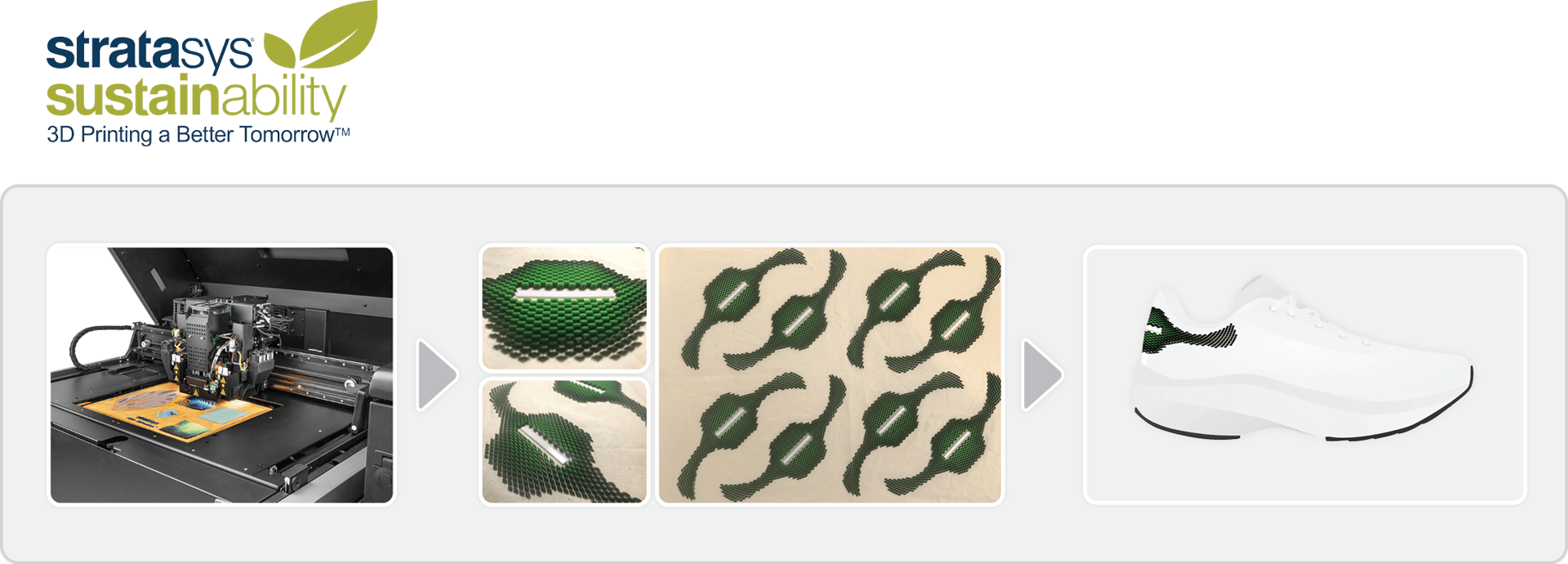
The use case study examined the transition from traditional manufacturing methods to advanced additive manufacturing: the goal was to create 16,000 logo appliqués for 8,000 pairs of luxury designer shoes, printed on fabric, produced using the innovative Stratasys J850™ Fashion TechStyle™ printer.

The results of the study revealed the following: Additive Manufacturing (AM) with Print-to-textile technology reduces CO2e emissions by 24.8% compared to the customer’s traditional processes.
Considering the customer’s production volume (16,000 printed logos for 8,000 pairs of shoes), additive manufacturing can save almost one ton of CO2e.
AM Print-to-textile technology can save 49.9% of inventory across the entire supply chain, reducing and streamlining transportation needs.
Direct-to-textile printing with the J850™ TechStyle™ 3D printer is a water-free process across the entire measured supply chain, saving over 300,000 liters of water.
Additive manufacturing reduces electricity consumption by over 64%.
The transition to additive manufacturing reduces supply chain dependency from 4 technologies to 1: with a single additive workflow, transportation and logistics are eliminated for 3 processes.
The transition to additive manufacturing simplifies production and logistics “stages” from 12 to 2.

The research was conducted by Reeves Insight and reviewed by experts from the ACAM Aachen Center for Additive Manufacturing GmbH.

“Sustainable production is becoming increasingly important for designers in the luxury world, and this is particularly important for Pattern Group’s Dyloan Bond Factory,” said Loreto Di Rienzo, Director of Research and Development at Pattern Group. “Stratasys’ innovation in 3D printing, particularly with TechStyle™ technology, allows us to offer revolutionary solutions by reducing waste, minimizing our dependence on natural resources, and optimizing the environmental impact of our entire supply chain.”

"As revealed in the report 'Comparative Analysis: 3D Material Jetting vs Traditional Methods for Designer Luxury Goods', a collaboration between Stratasys and Dyloan Bond Factory, we can confirm and demonstrate that additive technology truly improves environmental impact while expanding design freedom without compromising the quality of the final result."
Loreto Di Rienzo
Director of Research and Development at Pattern Group

Sherri Monroe, Executive Director of AMGTA, said: “We are pleased to release the third research paper in a series of papers designed to explore the environmental benefits of implementing additive manufacturing. We are committed to creating research and publications that help us better understand the sustainability value of AM technologies in manufacturing processes. The Stratasys-Dyloan Bond Factory Fashion LifeCycle Analysis (LCA), which analyzes the impact of print-to-textile technology, is our first polymer study. It provides important data that supports the value of AM in influencing one of the world’s most polluting industries.”

This report demonstrates Stratasys’ commitment to Mindful Manufacturing™, an approach that advocates for sustainability, efficiency, and innovation to 3D Print a Better Tomorrow™. Environmental considerations are paramount and can have a real impact on business outcomes. Together with its customers, Stratasys is rethinking how things are made; redesigning processes, products, and components; and optimizing operations for the benefit of people and the planet.

"Our Mindful Manufacturing™ approach is our commitment to our customers. By embracing sustainable practices and innovative AM technologies, we work to reduce the global ecological footprint – our own and that of our users. This paper demonstrates how the introduction of our advanced AM offering enables our customers to deliver manufacturing solutions that improve environmental impact while giving them a competitive advantage through innovation in design-driven manufacturing."
Dr. Yoav Zeif
CEO of Stratasys

Stratasys invites its customers, partners, and those interested in 3D Printing for a Better Tomorrow™ to join the company on its journey towards more sustainable manufacturing. For more information about Stratasys and its commitment to Mindful Manufacturing™, https://www.stratasys.com/en/about-us/sustainability/ visit

Learn about direct-to-textile 3D printing!

Download the 8-page brochure in English!

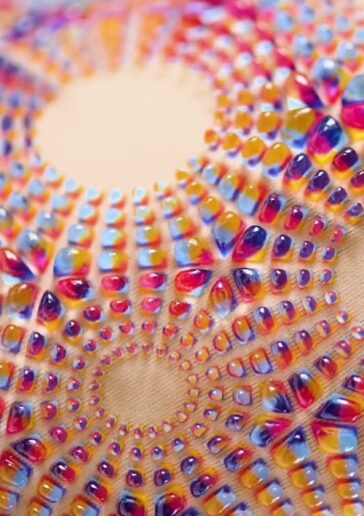
Stratasys J850 Techstyle 3D printed textile
Name:* Workplace name:* Email address:* Work phone number:* I consent to VARINEX Zrt. sending newsletters, professional materials, and information to the contact information I have provided. This data processing consent – ​​which is based on a voluntary decision – is valid until withdrawn.

I have read and understood the In the data protection information reserved.*

THE *Fields marked with are required!

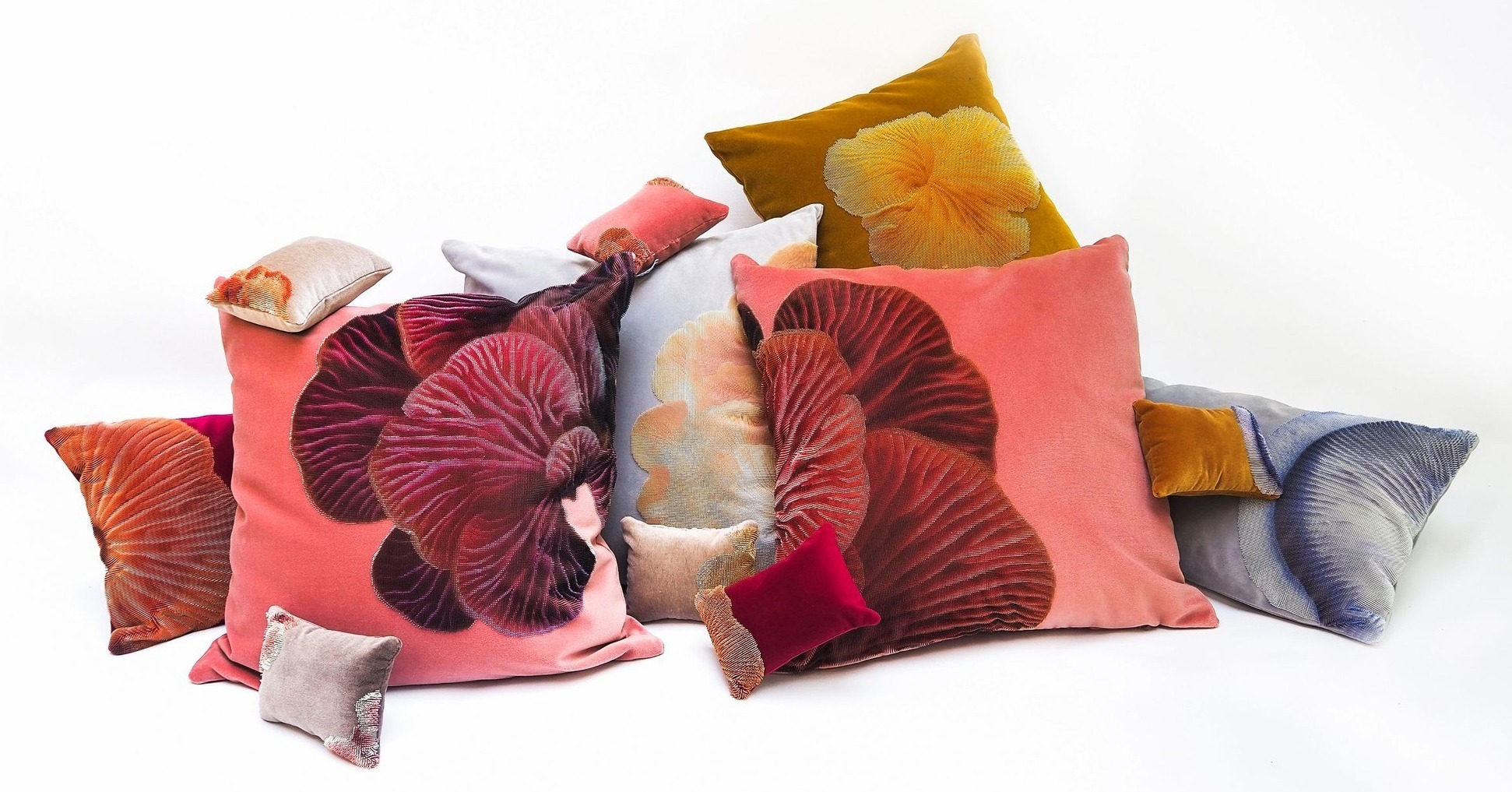
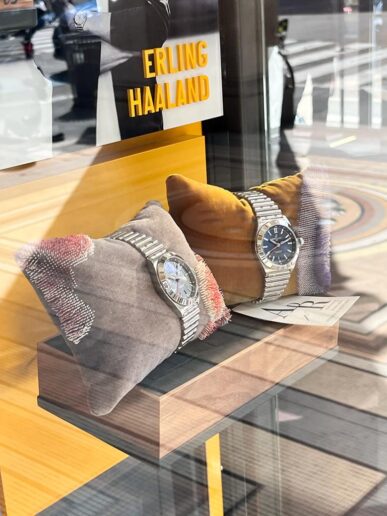
3D printed patterned cushions for Breitling watches

Breitling showcases watches with 3D printed cushions using Stratasys technology at Milan Design Week

Breitling showcases watches with 3D printed cushions using Stratasys technology at Milan Design Week

Of Stratasys' five additive manufacturing technologies, FDM technology is the best known and most widely used in the world. In addition to FDM technology, which can be used to produce strong, carbon fiber, massive industrial parts, stereolithography, SAF and P3 technologies all support industry, primarily manufacturing, and have become its indispensable manufacturing technology.

Industry, design and engineering are increasingly interconnected in the field of luxury goods. This is why Stratasys 3D printing with color PolyJet technology has found its place in the world of designers and fashion. Understandably, this color technology has become a favorite of fashion designers and designers, with which it is now possible to 3D print directly onto textiles. In addition to luxury goods, the automotive industry is also actively using this technology to serve unique, customized customer needs.

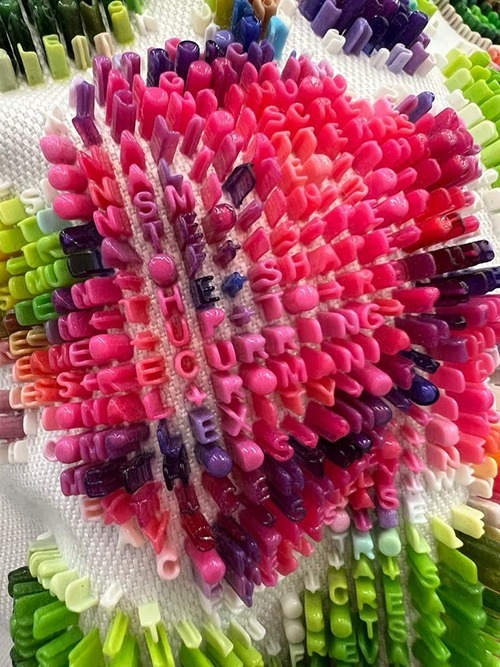
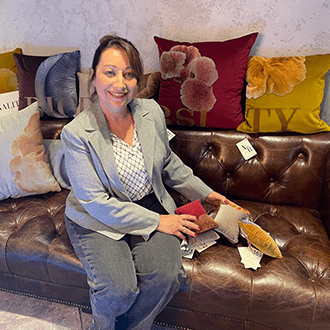
Sustainability is also becoming increasingly important in industry. In the textile industry, Atelier des Refusés, famous for its decorative pillows, has launched a new collection called “Biodiversity” in collaboration with Stratasys. The new collection was inspired by the uniqueness of mushrooms. Mushrooms play an extremely important role in terrestrial ecosystems and regeneration processes. The collection aims to draw attention to this.

Zehavit Reisin, Vice President, Stratasys
Zehavit Reisin, Stratasys Senior Vice President

The two companies share a commitment to sustainability. Atelier des Refusés, named after the historic Salon des Refusés in Paris, creates unique throw pillows using quality fabrics and its new collection aims to raise awareness of sustainability and minimize waste during production. Stratasys’ 3D printing technology ensures a sustainable, exclusive and high-quality product with no manufacturing waste.

“For us at AdR, the concept of uniqueness is key, as we have moved away from mass production and quantities to prioritize craftsmanship and limited production,” the company reports.

“Our encounter with Stratasys, the world leader in 3D printing, was love at first sight: it is a cutting-edge company that allows us to add extra special touches to our pillows, and this is in line with some of our core values, such as uniqueness and zero waste,” reports Atelier des Refusés.

The velvet fabrics for the Biodiversity 3D printed cushion collection are supplied by C&C Milano and Christian Fischbacher. Atelier des Refusés works with textile companies to recycle “waste” materials or pieces of fabric that are too small for commercial use, thus promoting a circular economy approach.

The Biodiversity collection is a collaboration between Swiss watchmaker Breitling and Milan Design Week. The cushions can be purchased on the Atelier des Refusés website.

How is it possible to 3D print directly onto textiles? Discover the Stratasys J850 Fabrix Kit! Similar 3D printed designs to the Biodiversity collection will be on display at the Budapest Industry Fair, taking place between May 16-19, 2023.

You can also see it at the exhibition today, along with other Stratasys industrial technologies! We look forward to seeing you at the joint VARINEX and Stratasys booth (Pavilion 207C)!

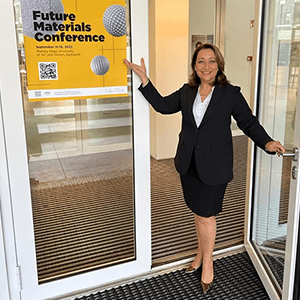
Zehavit Reisin Stratasys alelnök a MOME Future Materials konferencián

Zehavit Reisin Stratasys alelnök a MOME Future Materials konferencián

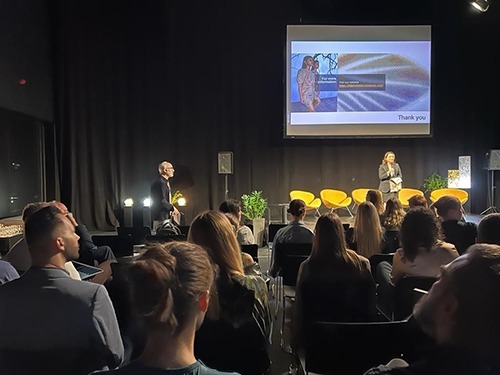
Zehavit Reisin Stratasys alelnök a MOME Future Materials konferencián

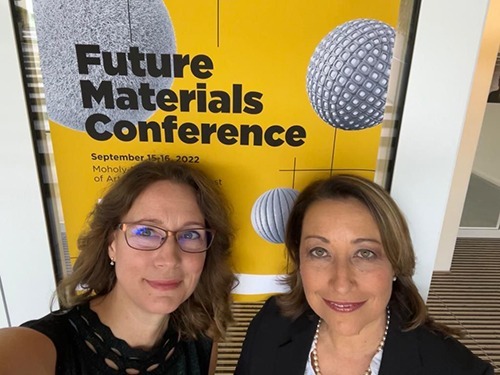
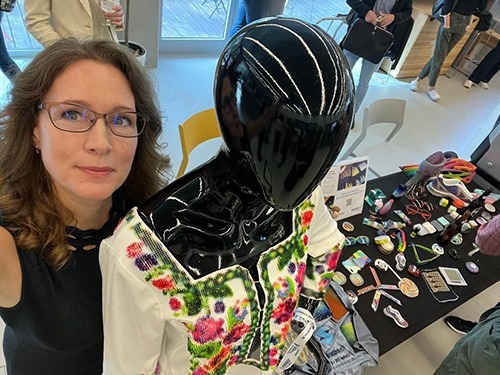
Nagyon izgalmas napunk volt 2022. szeptember 15-én, amikor részt vettünk a Moholy-Nagy Művészeti Eegyetem által szervezett Future Materials konferencián.
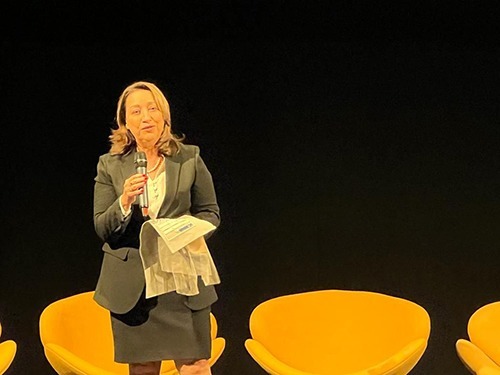
A számtalan hazai és külföldi előadó mellett erre az alkalomra Budapestre látogatott Zehavit Reisin, a Stratasys alelnöke is, aki briliáns előadást tartott az innovatív 3D nyomtató alapanyagokról a terméktervezésben.
Sokan érdeklődőt köszönthettünk a rendezvényen felállított VARINEX standon, mindenkit lázba hoztak a különleges, kézbe vehető 3D nyomtatott modellek, a legnagyobb érdeklődés a közvetlenül textilre történő 3D nyomtatás iránt mutatkozott, ami a Stratasys J850 idei újdonsága.
A 3D nyomtatás használata ruhadarabok készítéséhez számtalan új, kreatív alkalmazási lehetőséget nyit a divattervezők számára.

A MOME rendezvény előtti napot Ms Reisin a VARINEX-nél töltötte, ahol találkozott ügyfeleinkkel és csapatunkkal. Nagyon inspiráló volt a látogatás, rengeteget tanultunk a Polyjet 3D nyomtatási technológiáról, a szövetekre történő 3D nyomtatásról.

Tudjon meg többet az új, direct-to-textile 3D nyomtatást lehetővé tevő Fabrix Innovation Kit-ről!

New opaque PolyJet materials

New Opaque Stratasys PolyJet Base Materials

Amazing realism with Stratasys' new opaque PolyJet materials

Stratasys is once again raising the bar in full-color, multi-material 3D printing. The new opaque, non-transparent and light-absorbing materials in PolyJet™ 3D printers deliver breathtaking realism and graphic sharpness that you have to see and touch to believe.

3D printed lifelike beer bottles

The introduction of the new VeroUltra™ White and VeroUltra™ Black substrates enables incredible realism for a wide range of prototyping projects. These substrates allow for opaque, high-quality parts even when 3D printing very thin plastic parts. Text and labels on bottles and packaging will be sharp enough to meet 2D graphics specifications. Color contrast is improved where high color separation is expected. Finally, these new substrates provide incredible fidelity for simulating natural materials such as wood, fabric, and marble.

Pictured: New opaque colors extend realism to prototyping applications such as bottle labels, and when combined with VeroUltraClear, glass-like transparency is achieved.

“PolyJet 3D printing continues to be the industry-leading modeling solution for designers, as we continue to evolve,” said Shamir Shoham, vice president of Stratasys Design. “What seemed unimaginably realistic last year has become even better this year.” As they’ve learned, accurately mapping color, material, and finish—collectively known as “CMF”—is a very expensive and time-consuming part of the design process. Over the past few years, Stratasys’ PolyJet™ solutions have significantly challenged this notion for designers. The company introduced PANTONE® Validated Colors to ensure that printed colors match what you see on screen. And with materials like VeroUltra Clear, properties like glass-like transparency and flexibility have become available. Software formats like 3MF have simplified the workflow, so high-fidelity modeling is now almost a click-and-print.

Excellent color quality

3D printed artwork

New opaque colors extend realism to prototyping applications such as bottle labels, mobile devices, backlit screens and panels, and dolls, and designers are taking advantage of this.

“The color quality is excellent,” said Dennis Harroun, an American component designer. His company, Mana Digital Albuquerque, develops 3D printed models for toys, jewelry, and film applications, and is also involved in beta testing new Stratasys materials and 3D printers. “The quality provided by Stratasys materials is by far the best I have encountered, and it would be extremely difficult to replicate this quality with any other modeling method.”

Pictured: American designer Dennis Harroun's work Gravity Girl demonstrates Stratasys' advanced color printing capabilities.

The new opaque materials J8 Series™ and J7 Series™ 3D printers, and the J55™ 3D printers are available
If you are interested in the material, please contact our colleague!
Volkswagen purchases Stratasys J850 3D printers

Volkswagen invests in two Stratasys J850 3D printers to advance automotive design

World's first full-color 3D printer helps Volkswagen further develop new vehicle designs

Volkswagen, one of the largest and most iconic automotive players, has invested in the world's first full-color, multi-material Stratasys 3D printing technology to further advance its prototyping and open up new possibilities in automotive design.
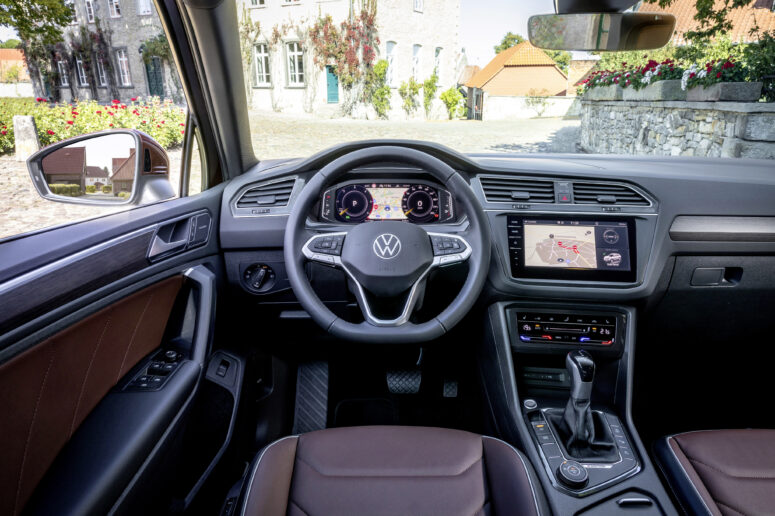
Volkswagen has 25 years of experience in 3D printing to innovate vehicle design and manufacturing. This investment will enable the creation of multi-material prototypes that mirror final production parts with up to 99% accuracy. This level of realism allows the team to better test and improve part designs, all while meeting Volkswagen’s stringent quality requirements.

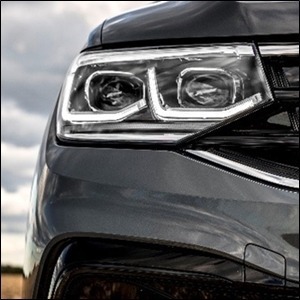
Volkswagen Tiguan R-Line (Image Source: Volkswagen AG).
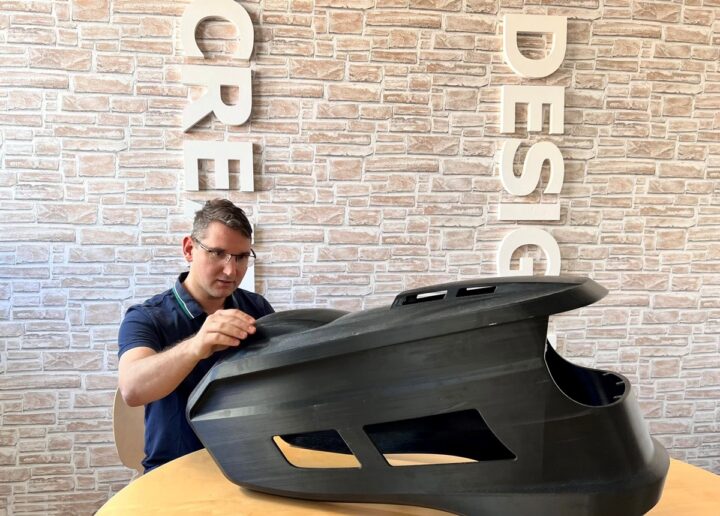
With a Stratasys J850 3D printer, the Volkswagen Pre-Series-Center
can print ultra-realistic prototypes for vehicle interiors

The Stratasys J850 3D printer can produce full-color prototypes in up to seven different materials, with the ability to vary stiffness, flexibility and transparency – even in a single print. This saves Volkswagen significant time and costs compared to traditional multi-step design processes such as assembly and painting of parts.
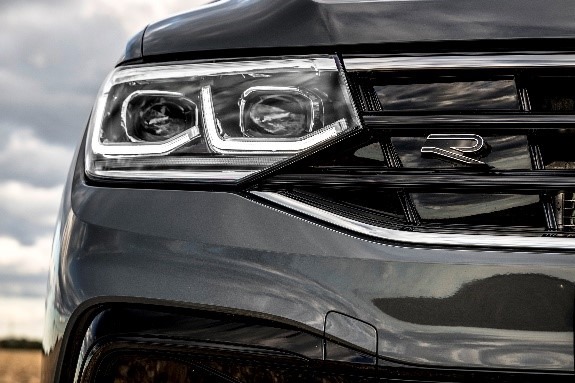
The Volkswagen Pre-Series-Center team uses 3D printing to create surfaces with different textures for the vehicle interiors – from fabric to leather to wood. The use of the latest transparent material VeroUltraClear makes it possible to reproduce the clarity of glass. Simulating vehicles with realistic models gives designers creative freedom, as new designs can be tested and perfected quickly and cost-effectively.

Volkswagen Tiguan R-Line (Image Source: Volkswagen AG).
Using the latest VeroUltraClear material,
Volkswagen can simulate the clarity of glass

Peter Bartels, Head of the Volkswagen Pre-Series-Center, says: “Innovation is at the heart of everything we do at Volkswagen, to develop vehicles that inspire and make our customers proud owners. To achieve this, it is essential that our design teams use the latest cutting-edge technologies. We encourage them to unleash their creativity and raise the bar in automotive design. Our Stratasys J850 3D printers have been received with great enthusiasm by our engineers, as they can now more easily optimize their design processes in their work.”

Andreas Langfeld, President of Stratasys EMEA, added: “Volkswagen is a long-standing customer who has always appreciated the potential of PolyJet 3D printing and has pushed the boundaries of the technology to innovate the design process. The J850 is our most advanced system yet, giving companies a competitive edge and taking their design capabilities to the next level. We are excited to see what creative applications the Volkswagen team will develop with this technology.”
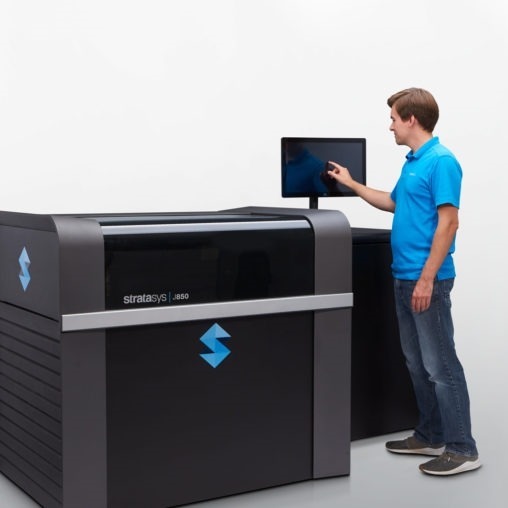
Stratasys J850 3D printer - full-color, multi-material use

Learn more about the Stratasys J850 3D printer used by Volkswagen HERE!
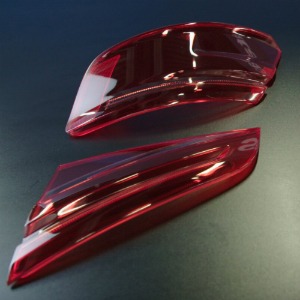
3D printing in the automotive industry

3D printing in the automotive industry

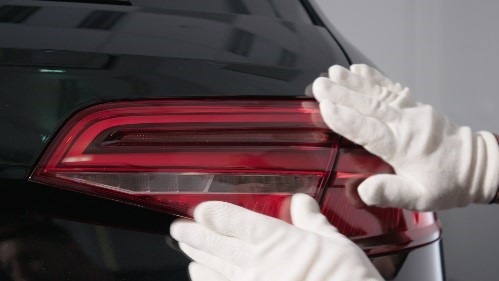
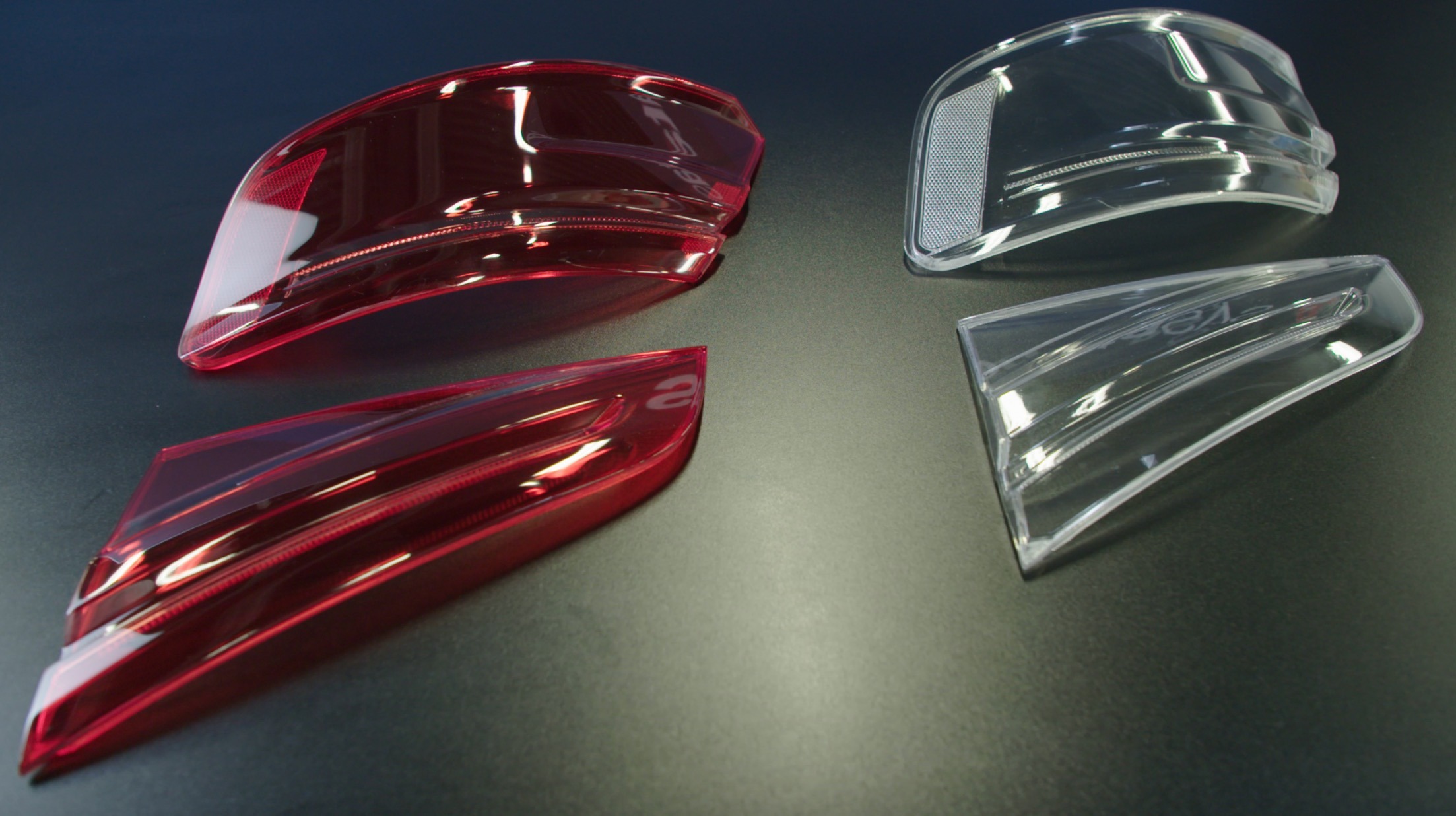
The technology offered by Stratasys enables the mixing of raw materials in real time. Audi is using this 3D printing technology to improve and accelerate automotive design. Audi expects to significantly reduce the prototyping lead time for the design of the rear light housings used in its vehicles. Development time can be reduced by up to 50% compared to traditional methods. Thanks to the vibrant colors of the Stratasys J750 3D printer, Audi can 3D print transparent, multi-colored parts – directly from a colored, textured version of the digital CAD model – that meet the texture and color requirements of the rigorous design and approval process.
Audi's 3D plastic printing center uses the unique Stratasys J750 3D printer to print the ultra-realistic, multi-colored and transparent taillight covers in one piece, directly from the digital model.
Before new vehicles go into production, Audi’s pre-production center in Ingolstadt builds physical models and prototypes for the brand to thoroughly evaluate new designs and concepts. This requires that most of the vehicle’s components are available early in the development process before they hit the production line – from rims to door handles to radiator grilles. Traditional methods such as casting or CNC milling are widely used to create and reproduce physical models and parts when implementing new designs and concepts. In addition to traditional methods, 3D printing has become an integral part of the design work at Audi’s pre-production center, allowing the team to overcome the limitations of traditional processes and speed up the verification and approval of designs. In the case of the taillight covers, the team traditionally used casting or milling to produce individual parts. With traditional methods, creating the multi-colored covers for the taillights was the biggest challenge. The individual components, each with different colors, had to be assembled after production, as they could not be produced in one piece with different colors and textures using traditional methods. This time-consuming process increased the lead time for design verification, thereby increasing the time needed to bring the product to market. Colorful, ultra-realistic models are created from digital models at the touch of a button, making the new generation of 3D printing accelerate design To streamline and simplify the process, Audi’s 3D Plastics Printing Center is using the Stratasys J750, a 3D printer capable of printing six different materials simultaneously and in true color. This allows fully transparent, even multi-colored, taillight covers to be printed in one piece, eliminating the need for the previous multi-step process. With more than 500,000 color combinations, the team can 3D print gradient and textured transparent parts that meet the strictest requirements set by Audi’s design-approval process. “Design is one of the most important purchasing considerations for Audi customers, so it is crucial that we adhere to the highest quality standards in the design and concept phase of vehicle development.” – explains Dr. Tim Spiering, head of Audi’s 3D Plastics Printing Center. – So we need prototypes that have accurate part geometry, are free of distortion, are of extremely high quality, and have true-to-design color and transparency. The Stratasys J750 3D printer is a huge advantage for us, as it allows us to print accurate textures and colors that match our designs. This is essential for getting design concepts approved for production. When it comes to 3D printed transparent parts, I haven’t seen any other technology that meets our specifications.” “By using the Stratasys J750 to prototype taillight housings, we are speeding up the design review process.” – adds Spiering. – We estimate that we can achieve up to 50 percent time savings by using 3D printing technology in prototyping taillight bulbs.” Dr. Spiering and his 24-person team are responsible for 3D plastic printing expertise, consulting and production at Audi’s headquarters in Ingolstadt. Since investing in the first Stratasys FDM 3D printer in 2002, the division has expanded its portfolio with ten 3D polymer printers, including Stratasys FDM and PolyJet 3D printers. Andy Middleton, Regional President of Stratasys EMEA, summed it up: “Audi is a prime example of how our unique 3D printing technology, based on real-time mixing of multiple materials in full color, can simplify various design processes and effectively shorten development cycles. If the time savings that Audi achieved with the taillights are extended to other vehicle components, the overall impact on time to market will be enormous. We are excited to see how Audi will use our FDM and PolyJet technologies in new and emerging application areas, taking advantage of the advantages we offer in increasing the efficiency of the development process.” Source: STRATASYS.com