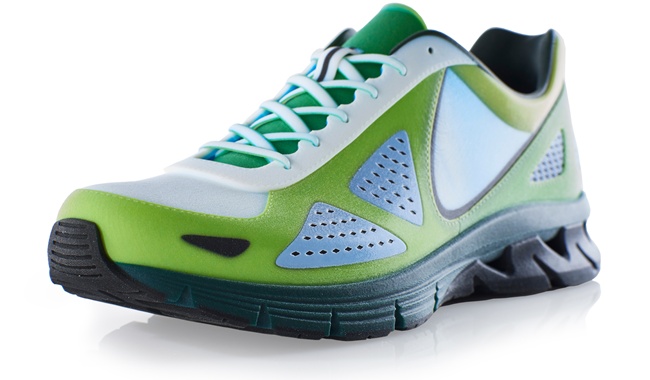
3D printing with Stratasys FDM and PolyJet technology
Fused Deposition Modeling, also known as FDM, is a proprietary additive manufacturing process from Stratasys that is used to produce concept models, functional prototypes, and ready-to-use parts from high-performance thermoplastic engineering plastics.
Another patented 3D printing process from Stratasys is PolyJet technology, which builds realistic, colorful, and even textured models from acrylic-based resin with a layer thickness of 14 microns. 3D CAD models with any complex geometry can be printed using our technologies, so you can hold a real, tangible part in your hands.

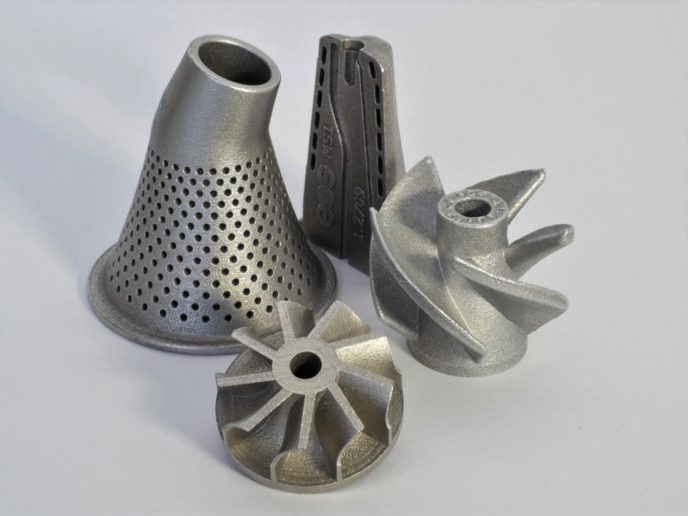
3D printing with SLS and DMLS technology
The essence of the selective laser sintering, or SLS process, is that the polyamide powder (PA) that is automatically spread layer by layer is melted together by the additive manufacturing equipment using a laser. The PA powder particles are melted together by a precisely controlled laser, so the strength parameters and mechanical properties of the finished model approach the properties of injection-molded PA parts. Models manufactured with SLS technology can not only be used as demonstration pieces, but are also suitable for performing various physical and functional tests. The process also enables direct, tool-free production for certain products. The possibility of direct production eliminates the costly, long-term tool production. This means that if the need arises to manufacture a given part, its 3D digital model is loaded into the SLS equipment software, and the given quantity is manufactured by building up the product “layer by layer”. The efficiency of this approach is unique.
DMLS – 3D metal printing
DMLS (Direct Metal Laser Sintering) technology builds parts by fusing metal powders with a laser. Available materials include aluminum, tool steel, and titanium. Since we also manufacture layer by layer, we can create highly robust metal parts with very special geometries directly from digital 3D designs.
APPLICATION AREAS:
- Injection molding tools with shape-following cooling,
- Topologically optimized components,
- Medical prostheses, implants,
- Metal parts with special internal structure,
- Available materials: tool steel, stainless steel, aluminum, cobalt chrome, titanium, nickel alloys
Available layer thicknesses: 20, 30, 40 and 60 microns,
Our largest available working area size: 250x250x325 mm.