
3D printing to support research and education purposes
Stratasys is at the forefront of cutting-edge additive technology, revolutionizing research and enriching education, making our portfolio the most popular solution.
Explore the potential of 3D printing in academic research
Educational and research institutions have always been at the forefront of innovation, and 3D printing is no exception.
Take education to the next level and unleash creativity with the transformative power of 3D printing. Students and researchers can quickly turn their ideas into reality.
See how we're nurturing the next generation of innovators in everything from robotics to biomedicine, materials science to fashion design.
The benefits of 3D printing in education
- Enhanced learning experience: 3D printing brings abstract concepts to life; students can see, touch, and examine complex structures and principles.
- Practice-oriented learning: students design and build their own models, developing their creativity and problem-solving skills.
- Interdisciplinary application: 3D printing can be seamlessly integrated into STEAM (science, technology, engineering, arts, and mathematics) subjects, which include the fields of science, technology, engineering, arts, and mathematics, supporting a holistic approach.
- Career preparation: knowledge of 3D printing technologies is an advantage in engineering, design, healthcare and many other fields where these systems are increasingly important.

3D printing applications in education and research
3D printing creates countless opportunities in the university and college sector and opens new doors to innovation.

Design & Concept Modeling
Fast, accurate representation of creative ideas: designers can imagine, create, test, and modify in real time.

Rapid Prototyping
Faster innovation: with each iteration, speed, flexibility, and accuracy increase while costs decrease.
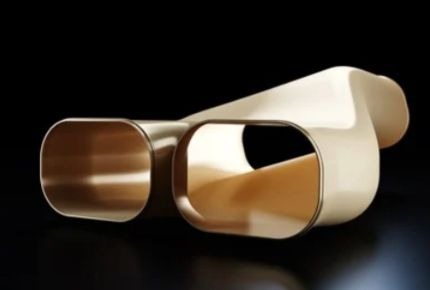
End-use parts
Support research with on-demand, customized parts – without the high cost and long lead times of traditional methods.
3D printers for educational institutions
With decades of industry experience, Stratasys offers a one-stop solution for universities, colleges, and other educational institutions. The following are some of the most popular educational models:
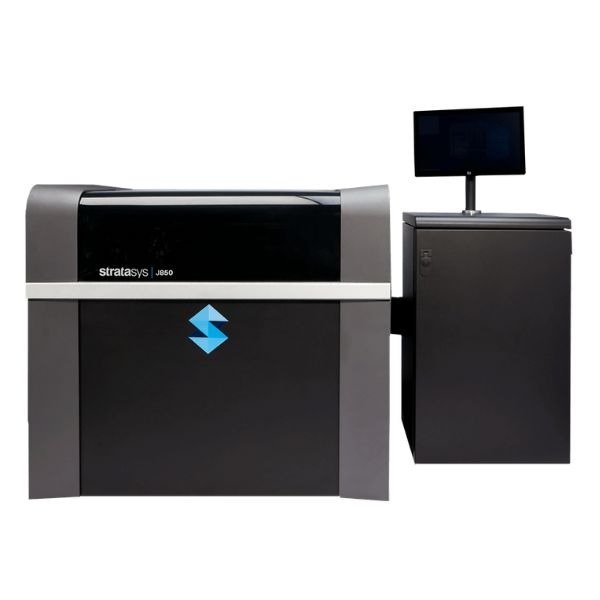
J850™ Pro
Print up to seven materials simultaneously – students can create highly accurate, detailed models and prototypes.
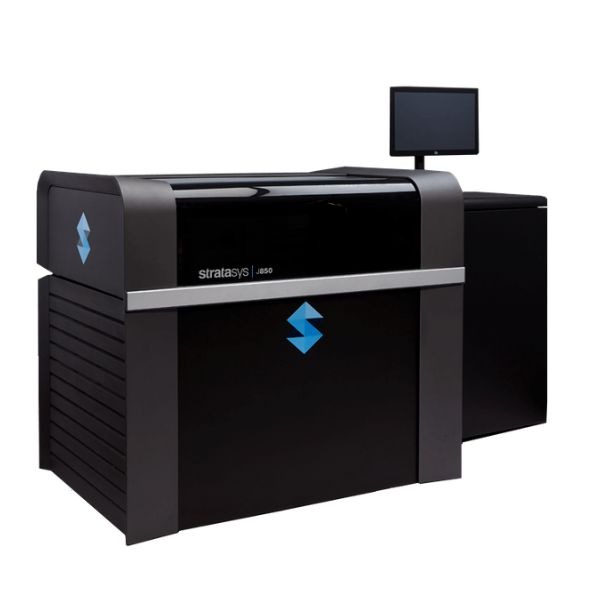
J850™ Prime
Create vibrant, realistic Pantone-accurate models by combining multiple materials and 640,000 colors in a single pass.
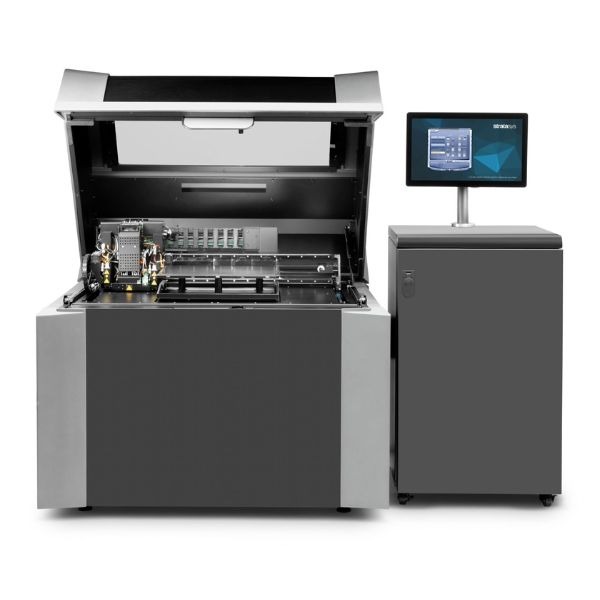
J850™ TechStyle™
The future of design: direct-to-textile printing to create unique, one-of-a-kind pieces.

FDM 3D Printers
FDM technology working with thermoplastics for cost-effective prototypes and quality parts – ideal for classroom projects.
Raw materials
3D printing has taken a huge leap forward, offering unprecedented design and engineering freedom. Choose from a wide range of thermoplastic polymers, photopolymers, and composites – all of our materials are validated for seamless use with Stratasys 3D printers.
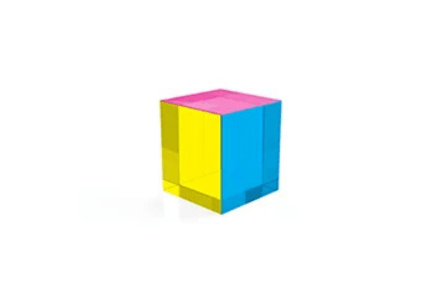
PolyJet™ Materials
A wide range of colors for prototypes, parts, and visual models – a variety of colors and finishes.
FDM® Materials
A thermoplastic portfolio ranging from durable engineering grade to high-strength, high-performance options.
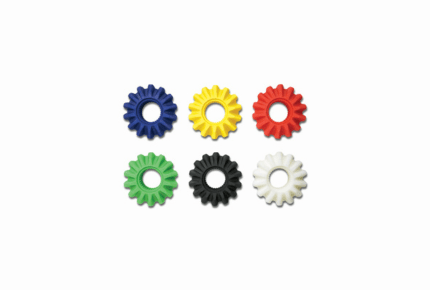
ABS-M30
offers the convenience and flexibility of ABS among FDM plastics, in nine colors, made from production-grade thermoplastic.
Do you have any questions?
Our experts will help you find the ideal 3D printing solution.
Use the benefits of additive manufacturing without investment with Varinex Direct services!
In our 3D Digital Factory, we are at your disposal with various additive technologies for 3D printing and 3D scanning.
Frequently Asked Questions about 3D Printing
3D printing makes abstract concepts tangible. Students can design and print real objects – making learning more interactive, visual and engaging in everything from science to engineering to design.
It is incorporated into STEAM (science, technology, engineering, arts, and mathematics) courses, project-based learning, and labs. Teachers create unique models and teaching aids, and students design prototypes.
- Objectification and visualization of complex concepts
- Strengthening creativity, problem solving and design thinking
- Developing marketable skills
- Collaboration between engineering, design and healthcare programs
- FDM®: easy-to-use printers for durable prints
- PolyJet™: multi-material, colorful models for advanced design and biomed training
ABS, PLA, TPU, and rigid and flexible photopolymers – depending on whether you need strength, color fidelity, or fine details.
Yes. Government, nonprofit, and corporate partners often offer grants for STEM and digital manufacturing investments.
Proper placement, ventilation, safe material use, and student education are required. Several of our FDM printers are GREENGUARD certified to UL 2904, specifically for classroom use.
Custom tactile models, assistive devices, and personalized learning materials can be created to facilitate access for people with vision, movement, or cognitive challenges.
Typical barriers include equipment cost, teacher training, and maintenance. Stratasys helps overcome these with onboarding resources and instructor support.
Contact the VARINEX Zrt. team. We will help you assess curriculum goals, recommend hardware and materials, and provide training tailored to your institution's needs.
Knowledge of 3D technologies provides competitive skills in engineering, design, healthcare and other fields – where the role of additive manufacturing is constantly growing.