
3D Printed Templates and Fixtures: The Basics
In the world of modern manufacturing, precision and efficiency are of paramount importance. During assembly, machining, welding and inspection processes, the accuracy and consistency of results depend largely on the efficiency of assembly jigs. These tools ensure stability, alignment and quality during production.
The integration of 3D printing technology has revolutionized the production of assembly templates, taking precision and manufacturing flexibility to a new level.
The role of assembly templates
Assembly jigs are mechanical aids that stabilize workpieces, ensuring accurate and consistent manufacturing processes. Their use increases productivity, improves safety, and helps maintain the quality of the final product.
Learn more about the benefits of 3D printing in our guide!

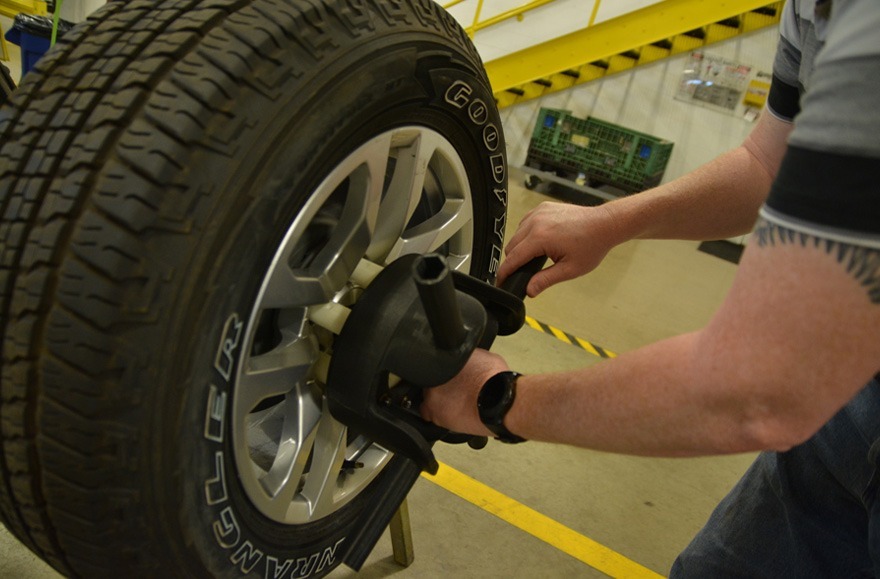
Different types of templates
Manufacturers use different types of templates, tailored to the specific application:
- Assembly Templates: Assisting in precise alignment and positioning of parts, 3D printed templates increase speed and accuracy while reducing errors, especially in the automotive, electronics, and aerospace industries.
- Inspection Templates: Used for quality control purposes, often in conjunction with coordinate measuring machines (CMMs). 3D printing increases measurement accuracy, repeatability, and inspection efficiency.
- Marking templates: Help ensure accurate and consistent markings, such as branding, serial numbers or barcodes. 3D printing optimizes laser marking templates, improving compliance with industry requirements.
Welding Templates: Stabilize and align workpieces during welding. 3D printed templates improve weld quality, repeatability, and productivity in the automotive, aerospace, and metalworking industries.
The role of 3D printing in the development of assembly templates
The application of 3D printing technology to the production of templates sets a new standard in manufacturing processes. It allows for faster and more cost-effective production of customized templates that better fit specific manufacturing needs. 3D printing enables the creation of complex geometries and lightweight yet strong structures that would be difficult to produce using traditional manufacturing methods.
Would you like to learn how additive manufacturing can help optimize tool production?
Download our guide to how you can build fixtures and orientators faster, cheaper, and with less work.